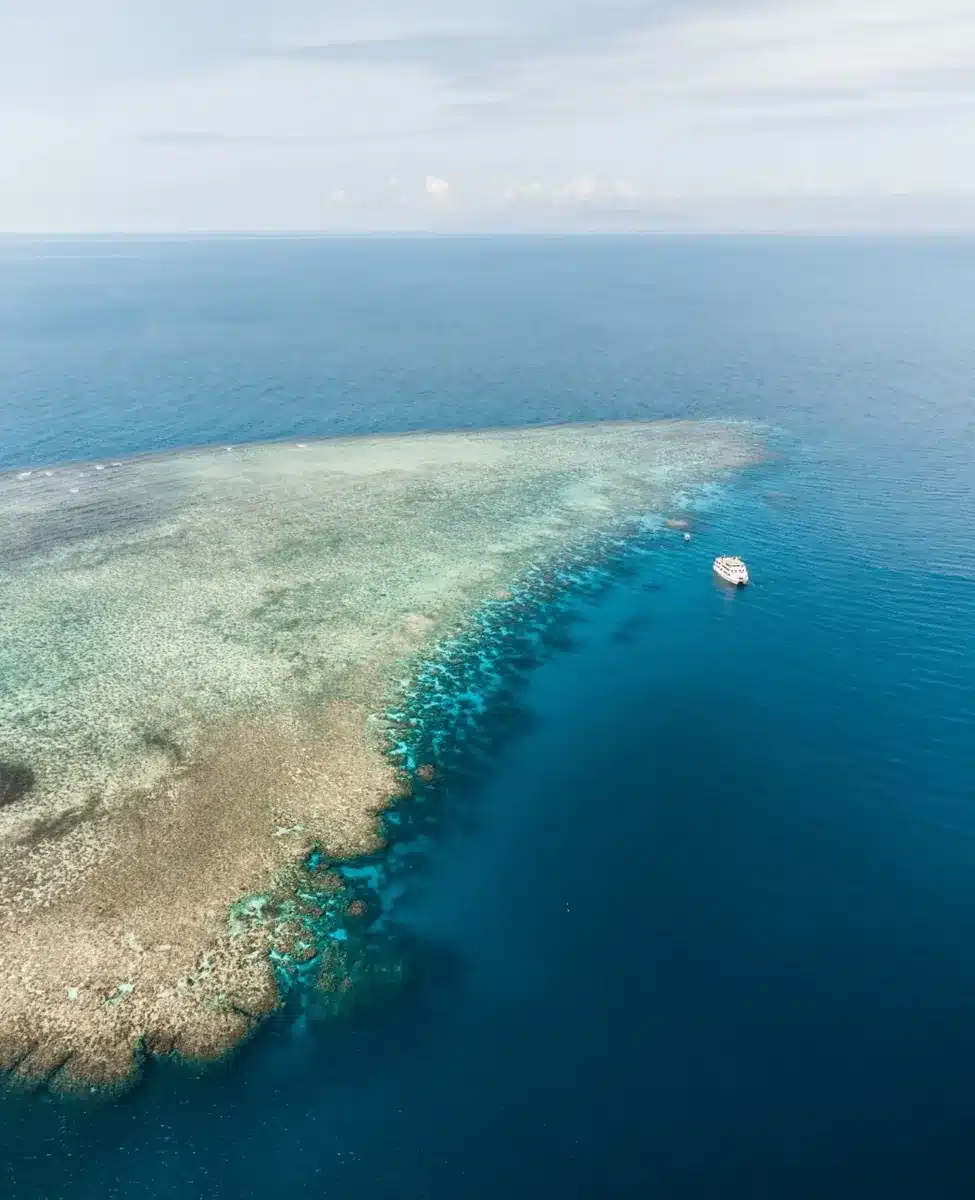
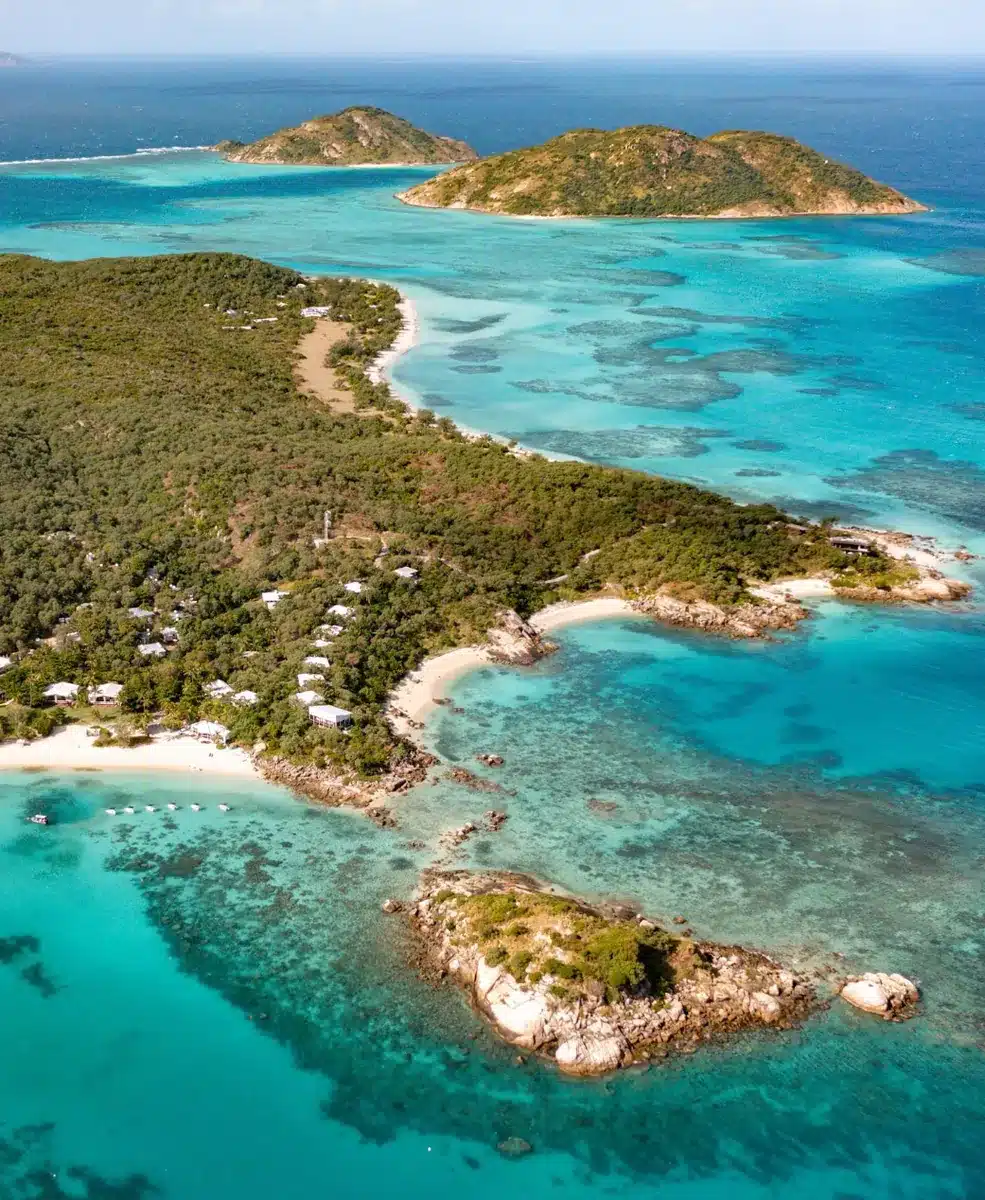
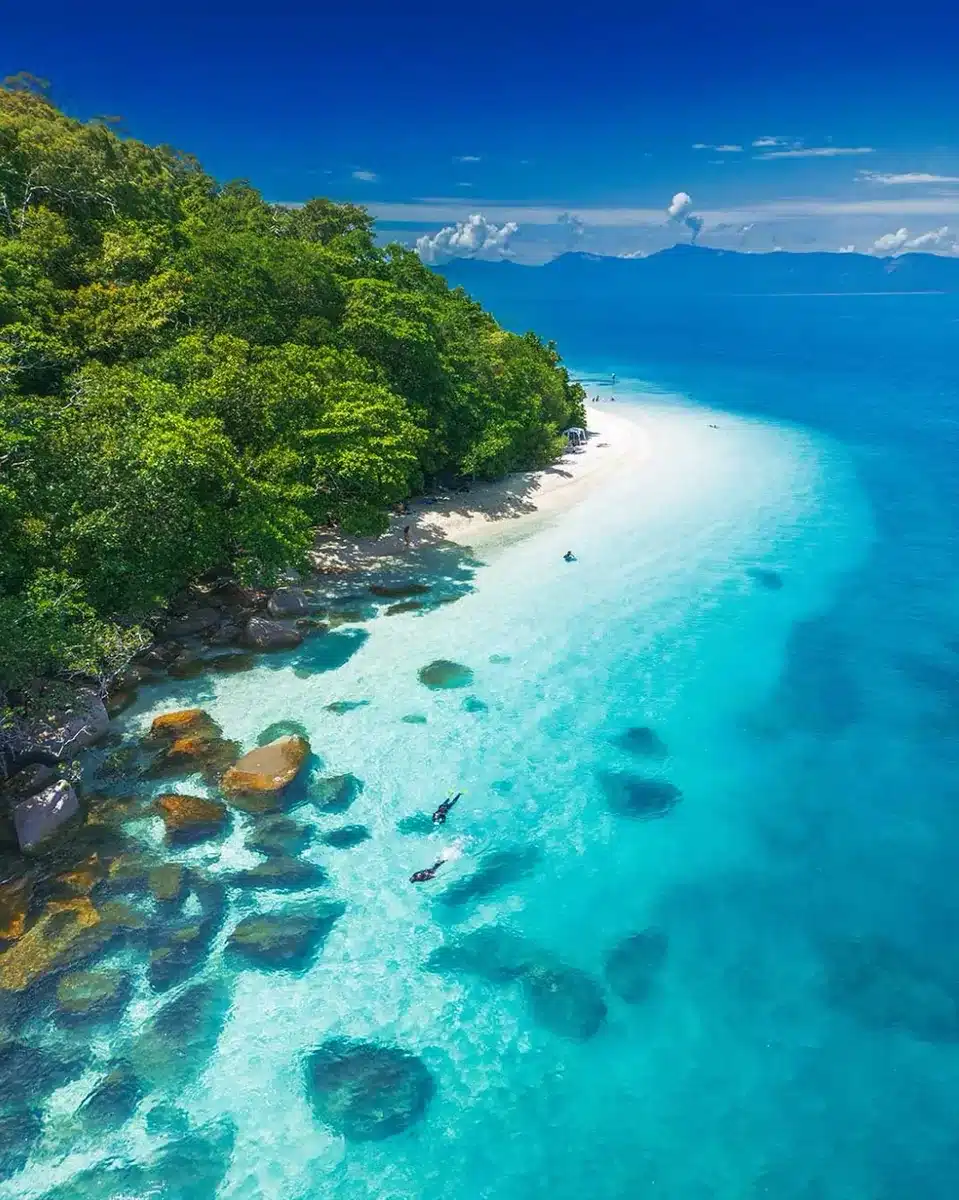
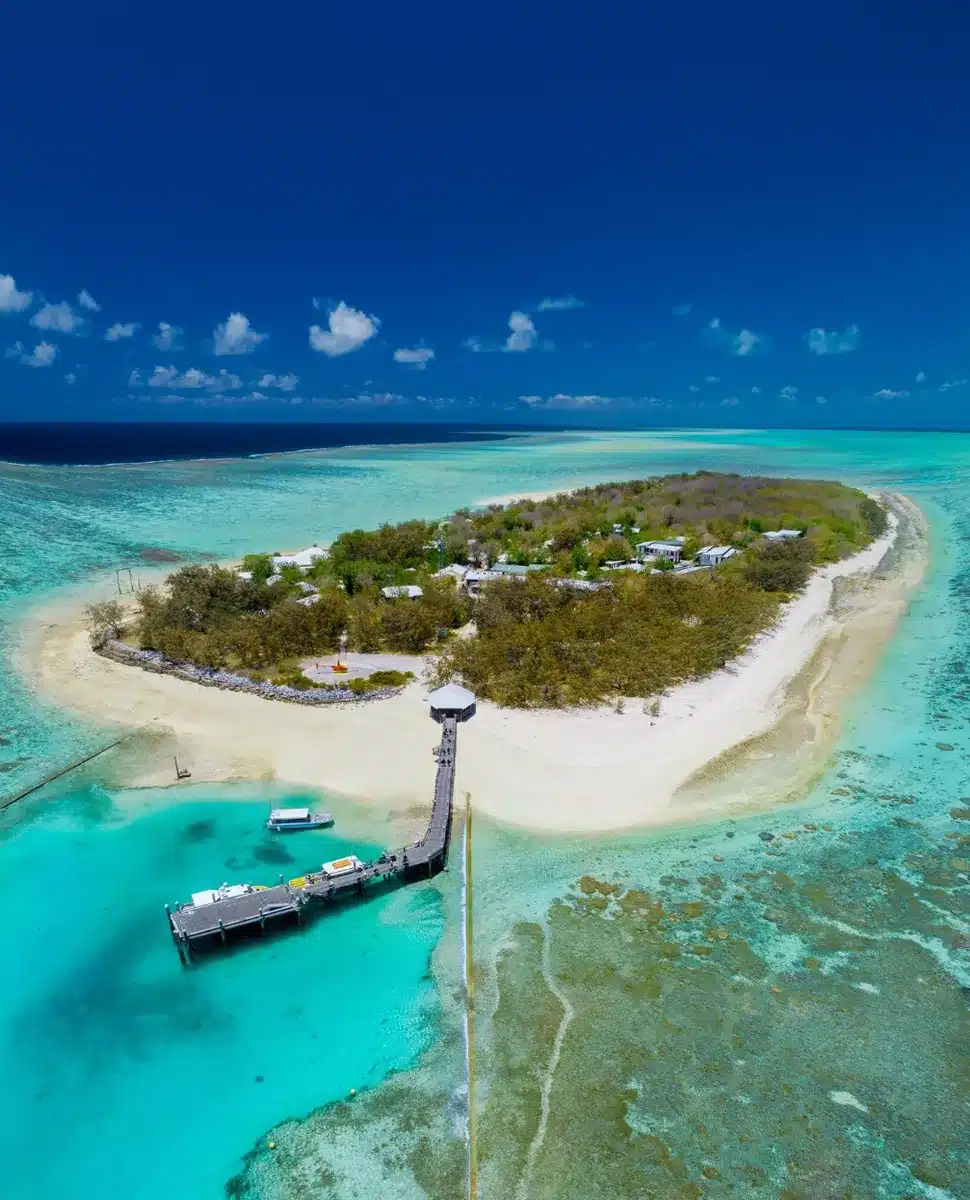
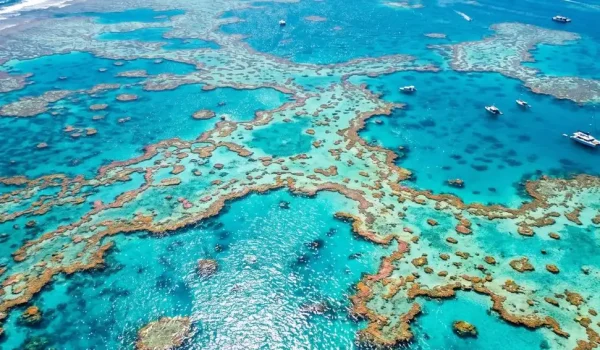
Every time I’ve headed out to the Great Barrier Reef system, I’ve found the best spots to be in the opposite direction from the big departure hubs like Cairns, Port Douglas and Airlie Beach – the further you get from those popular launchpads, the better. Think Outer Reef sites, remote Coral Sea zones and any of those quieter pockets of the Southern Great Barrier Reef that the crowds tend to miss.
I’ve spent a fair few years wandering around this reef system with a bit of salt in my hair and a sunburn that’s probably been waiting to happen, and let me tell you the truth: if you’re willing to put in a bit of extra legwork or skip some of the more well-trodden reef sites like Green Island, you’ll find lengths of coral reefs where you’re the only one there, apart from the odd reef shark gliding past.
And that’s the whole point, isn’t it?
Where The Crowds Cluster (And How To Avoid Them)
The thing is, most people don’t realise just how massive the Great Barrier Reef system is – it’s over 2,300km long, yet most tours stick to a handful of the obvious tourist routes.
Because of this, some of the coral gardens out there feel like they’re pretty much crawling with people, meanwhile,e others have waters so crystal clear you can barely see another snorkeller anywhere.
Why The Popular Reef Sites Get So Busy
The issue isn’t about getting to the reef itself – it’s how the tour operators operate. They tend to cluster around the well-known reef sites like Norman Reef, Saxon Reef, and Hastings Reef because they’re easy to get to – nice and efficient that way.
I once turned up at Norman Reef expecting a quiet snorkel, but as it turned out, it was just another day for the big boat operators – multiple boats all tied up at the same spot. Meanwhile, just 20-30km further out, the water opens up and – bingo – the crowd just disappears.
Northern Remote Zones With Minimal Traffic
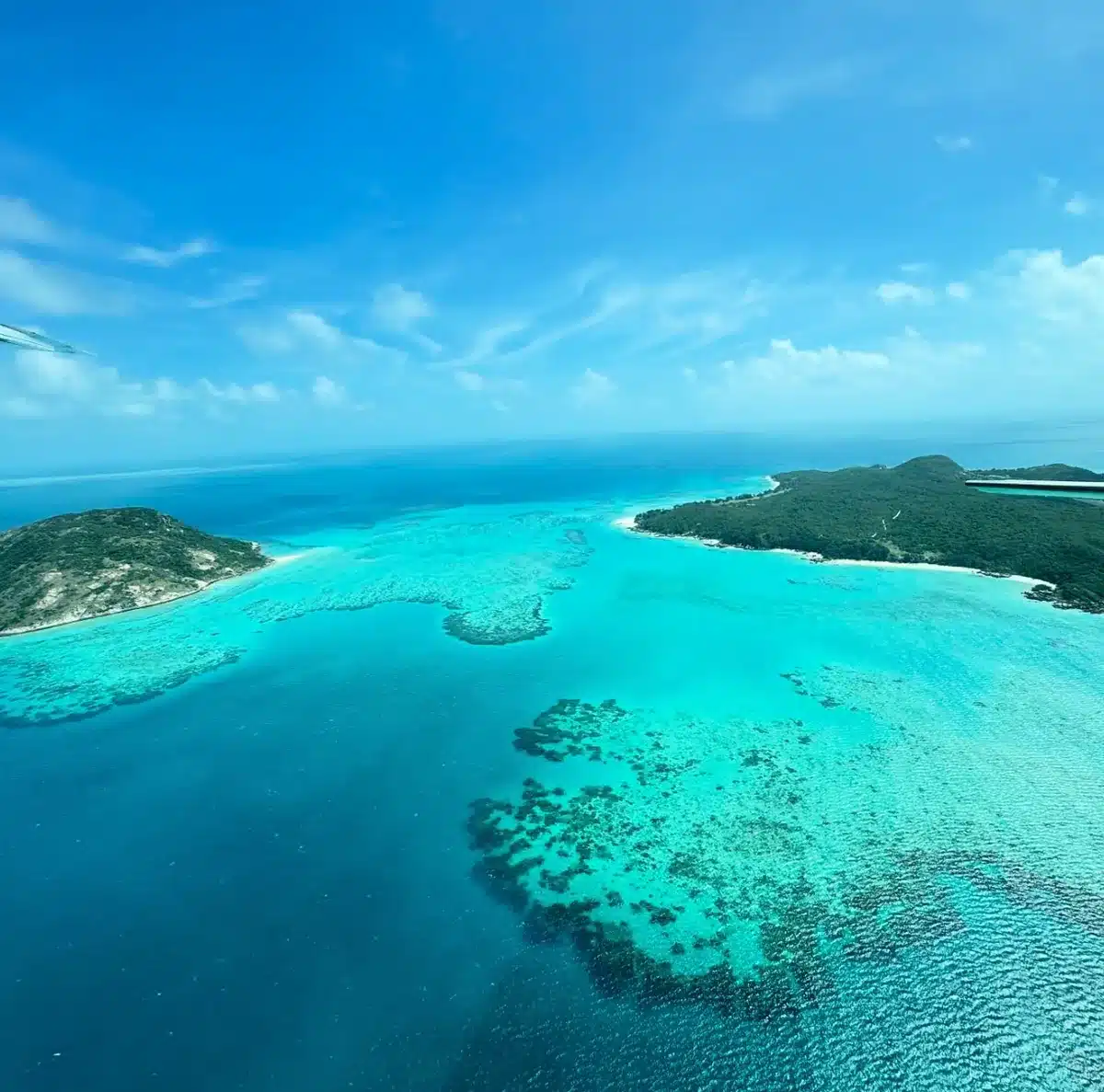
Head north past Port Douglas towards Lizard Island and the Ribbon reefs, and you’ll be amazed at just how quickly you get away from the crowds.
You’ll probably need a proper dive expedition or liveaboard deal, but it’s out there in these areas that you can really see the reef at its healthiest
Why These Places Stay So Quiet
These reef sites are all a bit too far out for the day trippers, and that’s a big part of their charm – the fact that fuel costs and logistics make them something of a non-starter for casual tourism.
Keep an eye out for:
- Outstanding coral cover and the healthiest coral formations you’ve ever seen
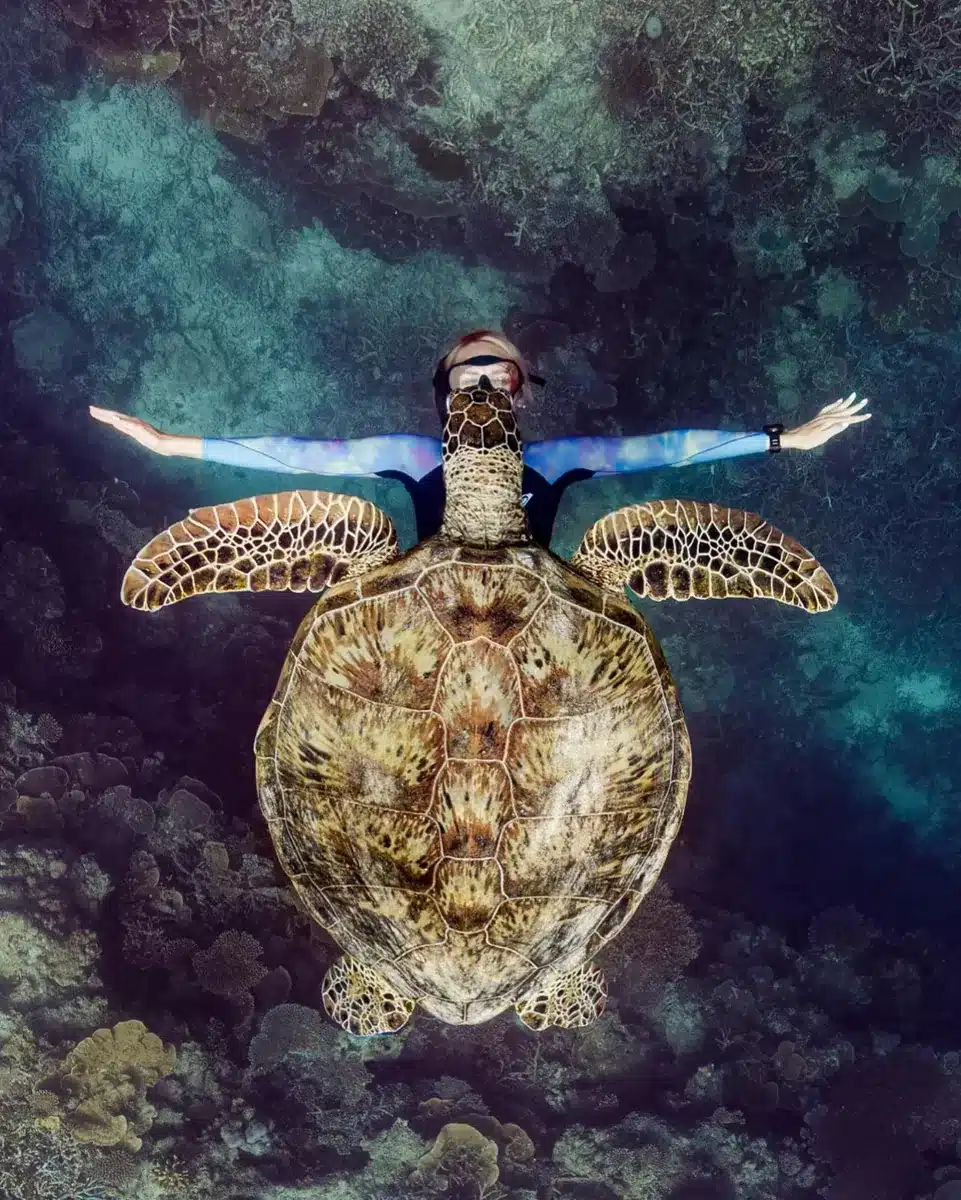
- Larger marine life – reef sharks, Maori wrasse and the odd pelagic species
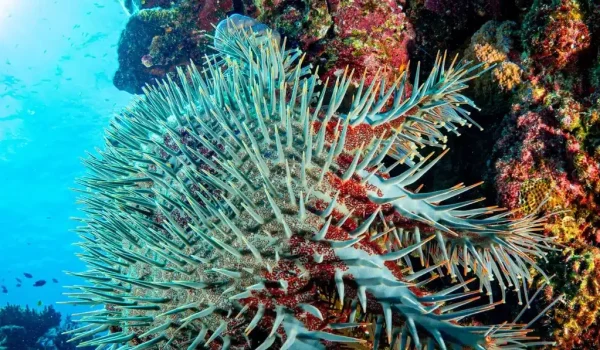
- Less of an impact from things like crown-of-thorns starfish outbreaks
Real Life Out There
I’ve been lucky enough to drop into the Ribbon reefs a few times, and on each occasion, I’ve barely seen another group of people all day. Just me, a bit of reef, and some Maori wrasse keeping an eye on me and my snorkel gear like I was supposed to owe him a favour – that’s the difference distance makes.
Offshore Reef Trips That Reduce Crowd Pressure
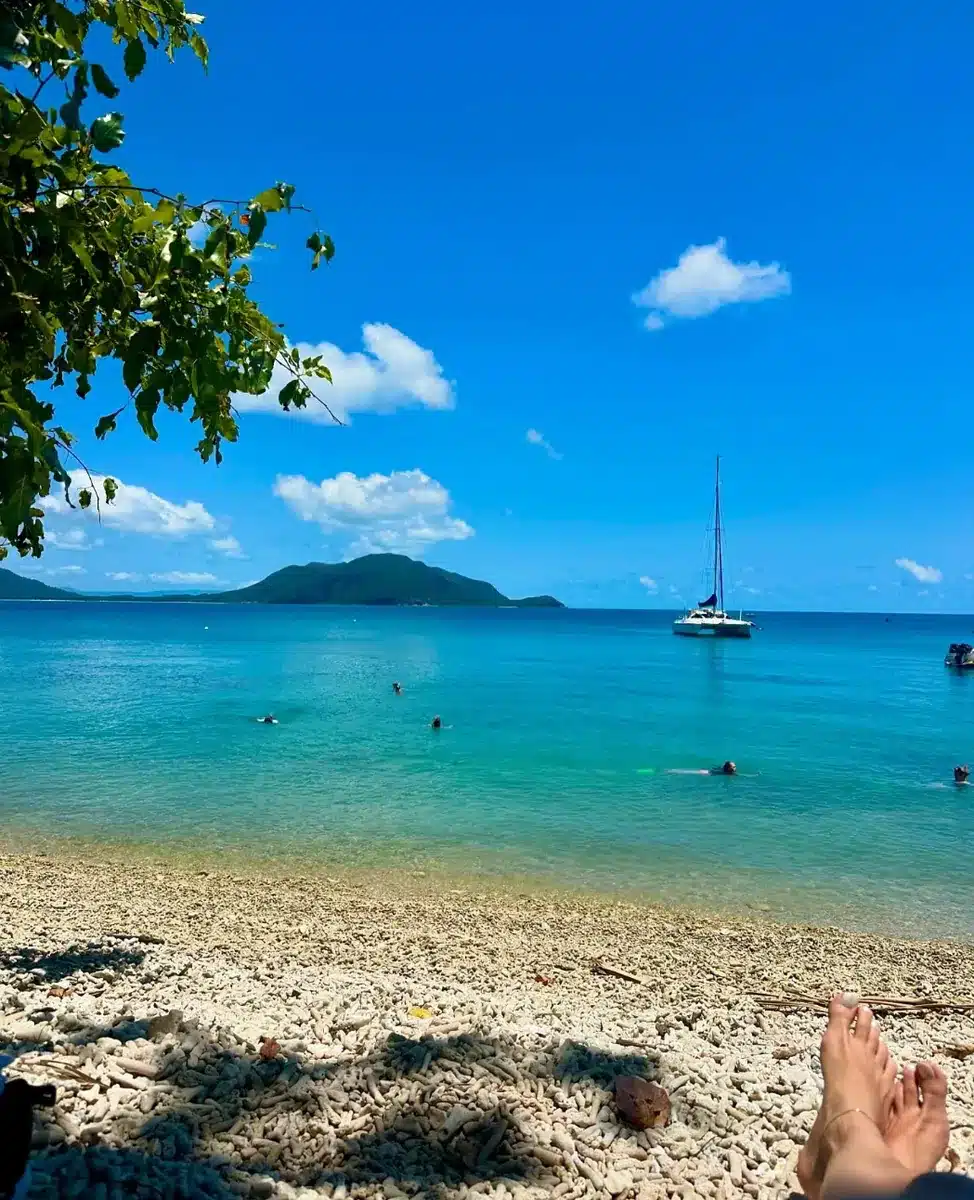
If you’re sticking to a day trip, your best bet is probably heading to the Outer Reef – not the inner reefs near Fitzroy Island or Michaelmas Reef. They tend to be way more crowded.
Outer Reef sites like Moore Reef and Thetford Reef offer much better water clarity and almost no queues.
Choosing a Better Tour
When looking at tour operators leaving from the Reef Fleet Terminal in Cairns or Port Douglas, try to find ones that:
- Get out to a reef that’s not just a standard site
- Keep group sizes small
- Don’t park on fixed pontoons like they’re in the city
If you’re booking with some trusted names like Australia Tours, take a close look at the itinerary because the better trips usually jump between a few different reef sites rather than just parking out in the middle of one busy pontoon.
What You'll Notice Once You're Out There
- The water is way clearer, and you can see for miles
- There are loads more active sea creatures swimming around
- The coral’s in better nick than you’d expect, with less stress on it
It’s not empty, but it’s definitely a noticeable step up from the inner reef chaos.
Southern Reef Regions With Fewer Visitors
The Coral Sea and Ribbon reefs are where you go when you really want some space and solitude. And they’re only accessible on multi-day dive expeditions – not your standard day trip.
Why These Trips Stay So Quiet
- They’re just too far off the beaten track for standard boat rides
- The weather and conditions are tough to navigate
- They tend to cost a lot more money, so fewer people bother going
What Makes It So Worth It
- The reef drop-offs are pretty dramatic
- You’ll have plenty of chances to see big marine life
- The diving spots are quiet, and the reef health is top-notch
Some Australia guided tours focus purely on these remote zones – and that’s where the reef finally feels really untouched.
Crowd Comparison Across Reef Zones
| Reef Area | Access | Crowd Level | Best For | Notes |
|---|---|---|---|---|
| Inner Reef (Cairns) | Easy boat journey | High | First-timers | Includes Fitzroy Island, Green Island |
| Outer Reef | Longer boat journey | Moderate | Snorkelling/diving | Better coral health |
| Ribbon Reefs | Liveaboard | Low | Scuba diving | Remote, strong coral cover |
| Far Northern Reef | Expedition | Very Low | Experienced travellers | Minimal infrastructure |
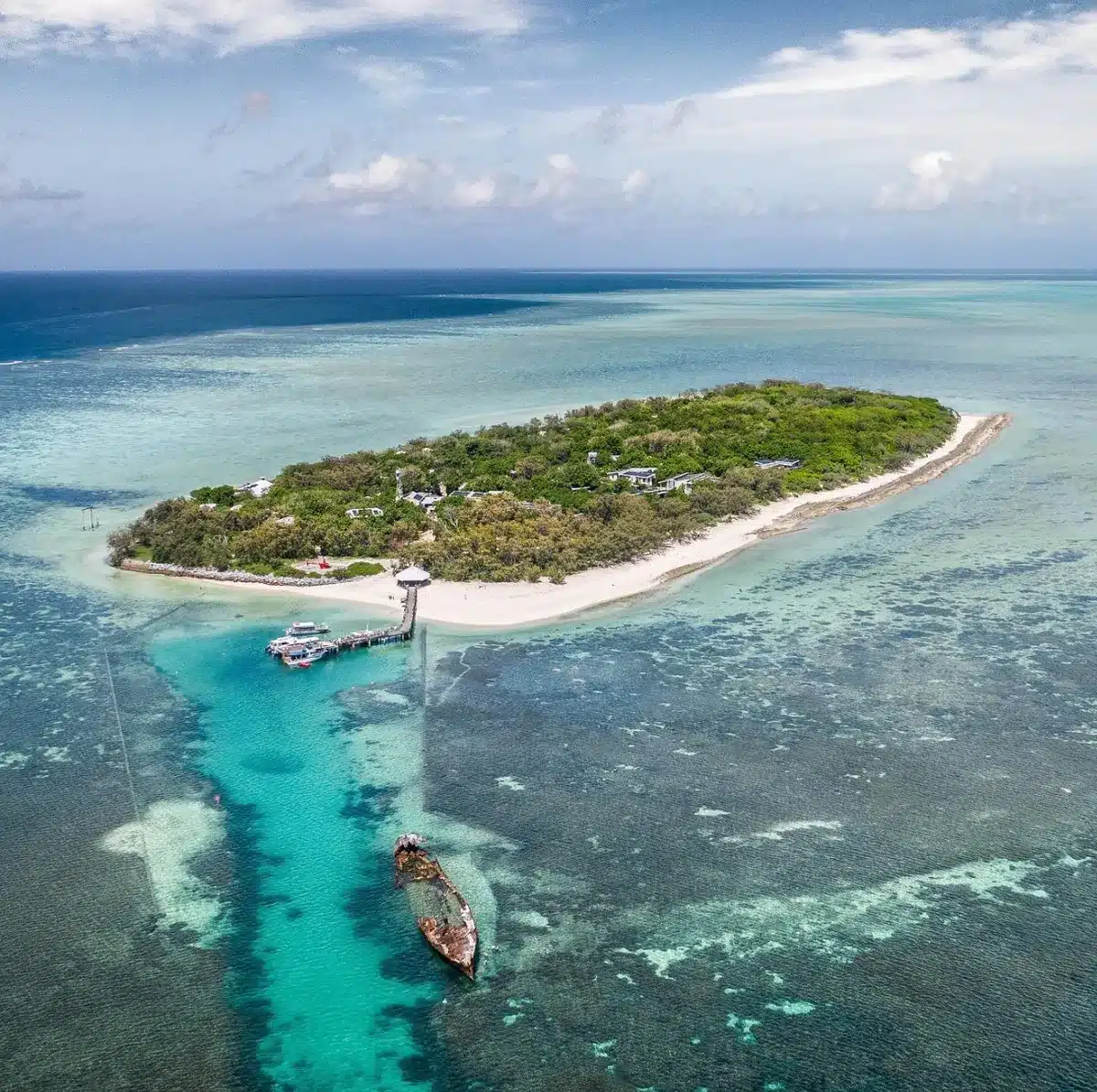
| Southern Great Barrier Reef | Flight/boat | Low | Snorkellers | Lady Elliot, Heron Island |
Smart Timing For A Quieter Experience
Even some of the best reef sites can get pretty busy if you time it wrong. But with a bit of planning, you can turn things around.
Seasonal Patterns You Need To Know
The dry season (May to October) is when things get pretty crowded – but the conditions are at their best. The wet season is a bit quieter, though you’ll have to be prepared for the occasional storm or cyclone.
Timing Your Visit For A Quieter Time
Getting an early start really pays off – you’ll beat the morning rush. And if you head out for an afternoon snorkel, you’re likely to find the waters a lot less crowded as all the other day trippers wrap up. If you’re on a liveaboard boat, you avoid the day-trip chaos altogether – that’s why they’re such a great option.
I’ve had entire reef sections to myself just by sticking around longer than everyone else.
Getting There Without The Hassle
Okay, let’s cut to the chase – here’s how you actually get to these quieter reefs without too much hassle.
Get There
- To the Outer Reef: Take a boat from the Reef Fleet Terminal in Cairns
- To the Ribbon Reefs: Do a liveaboard dive trip
- If you’re heading to the Southern Reef, you’ll have to get to Hervey Bay or the Capricorn Coast (Rosslyn Bay Harbour)
- If you want to fly in, you can take a scenic flight or a helicopter to Lady Elliot Island
Costs vary depending on who you go with and what kind of fuel prices are like (estimates for 2026 suggest):
- Day trips will set you back around $180 to $300
- Liveaboards can cost between $1,200 and $2,500
- Scenic flights will be around $250 to $700
What People Often Underestimate
- Sea conditions can be pretty rough
- Travel time is longer than you think it’s going to be
- Motion sickness is a real thing – grab some tablets
One-Day Plan That Still Avoids The Worst Crowds
If you only have a day, here’s what I’d recommend:
Book a small-group Outer Reef trip from either Cairns or Port Douglas that doesn’t take you to the pontoons and swings between a few different reef sites. Options like Australia Tours are usually good bets.
You’ll still be sharing the water, but you won’t feel like you’re in a queue.
Protecting The Reef While You Explore
Remember, the reef isn’t a theme park. If you treat it like one, the reef will suffer.
Simple Rules That Matter
- Use reef-safe sunscreen
- Never stand on coral – it’s not a giant playground
- Don’t chase after marine life – just let them be
- Follow the advice from Tourism and Events Queensland – they know what they’re doing.
Tourism pressure, coral loss, and threats from things like crown-of-thorns starfish are all very real. Spreading out across the reef system can help reduce the impact.
Final Word From The Rails
The truth is pretty straightforward – quiet spots on the reef are out there, but you won’t stumble upon them if you’re following the crowd.
You’ll need to venture a bit further out, choose a reef access that’s not so well-trodden, and probably spend a bit more cash along the way. But when you finally drop into waters so calm and crystal clear you can count the grains of sand at the bottom, and you’re not sharing the experience with hordes of other people, that’s when the reef will start to feel like it’s all yours – and that’s the version that’s well worth chasing.
FAQ
What Areas Are The Real Pockets of Solitude On The Reef?
Northern reefs that are a bit tougher to get to, sites in the Coral Sea and some parts of the Southern Great Barrier Reef are your best bet – mainly because not so many people know about them or can be bothered to get there.
How Can I Reduce The Chances Of Sharing The Water With Large Groups?
If you want to get away from the crowds, choose an operator that doesn’t cater to the masses, and if possible, avoid those dodgy pontoons. Booking a spot on an early morning departure to a spot that’s just a bit off the beaten track can work wonders, too.
Are There Regions Better Suited To Relaxed Snorkelling Without Heavy Traffic?
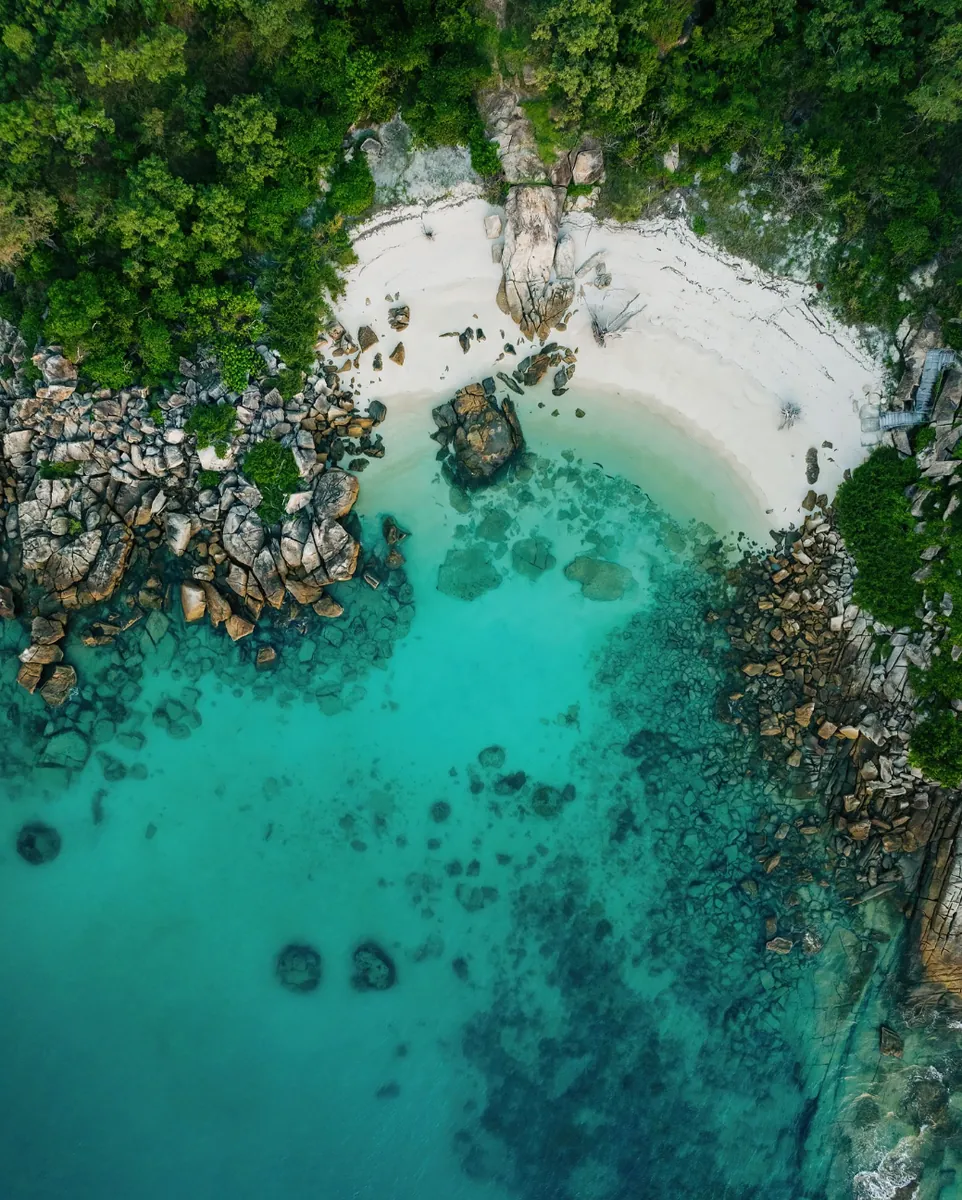
Yeah, the southern reef locations – like Lady Elliot Island and Heron Island – are pretty good bets. The conditions are calmer, and you’ll be far less likely to see a bunch of other people splashing about.
When Is Visitor Traffic At Its Lowest?
Wet season (November to April) is when you’ll see the numbers drop off dramatically – though you’ve got to be prepared for some pretty wild weather too.
What Type Of Trip Gives The Most Space In The Water?
If you can swing it, multi-day liveaboard or expedition-style trips are the way to go. They give you access to reef zones that are way off the beaten track, and as a result, you’ll be far less likely to run into any of the other tourists.
Related Tours
- Departs / Arrives
- 11:45-21:45
- Starts / Finishes
- Melbourne
- Duration
- 1 day
- Style
- Original
- 155 AUD
- 129 - 165 AUD
- Departs / Arrives
- 7:35-20:30
- Starts / Finishes
- Melbourne
- Duration
- 1 day
- Style
- Original
- 115-155 AUD
- Departs / Arrives
- 7:35-20:30
- Starts / Finishes
- Melbourne
- Duration
- 1 day
- Style
- Original
- 110 AUD
- Departs / Arrives
- 8:00-18:00
- Starts / Finishes
- Melbourne
- Duration
- 1 day
- Style
- Original
- 138-155 AUD
- Departs / Arrives
- 7:35-17:30
- Starts / Finishes
- Melbourne / Adelaide
- Duration
- 3 days
- Style
- Original
- 695 AUD
- Departs / Arrives
- 7:35-19:30
- Starts / Finishes
- Melbourne / Adelaide
- Duration
- 3 days
- Style
- Original
- 695 AUD
- Departs / Arrives
- 11:30-19:00
- Starts / Finishes
- Melbourne
- Duration
- 1 day
- Style
- Original
- 135 AUD
- Departs / Arrives
- 7:35-20:30
- Starts / Finishes
- Melbourne
- Duration
- 1 day
- Style
- Original
- 95 AUD