Best Nighttime Tours At Uluru To Beat The Heat (2026 Guide)
What are the best nighttime tours at Uluru to avoid the heat? – Don’t miss out on Field of Light, Wintjiri Wiru, Sounds of Silence or Uluru Astro Tours. These go on after sunset, when the temperature plummets in the Red Centre, making them a whole lot more comfortable than tackling anything in the middle of the day.
I’ve spent years living out in Central Australia, guiding tourists through the region, and I’ve seen the same thing play out time and time again: people try to push too hard in the heat, only to finally realise that the best bits actually happen after dark. Around Uluru, night tours aren’t just cooler – they’re less crowded, more serene, and bloody lovely.
Table of Contents
Late Afternoon Is Better In The Outback
As soon as the sun goes down out here, it’s like a switch has been flipped. The ground stops radiating heat, the glare just disappears, and the desert goes quiet. You go from squinting and sweating to actually being able to notice stuff – sounds, stars, the way the land looks.
I’ve seen plenty of people tap out early on a planned walk near Uluru or skip bits of Kata Tjuta because they didn’t have a clue what they were getting themselves into. But at night, those same people sit back, stay a bit longer and actually end up enjoying themselves. It’s not rocket science – that’s the difference.
Field Of Light: Easy Night Experience
This lot was dreamed up by Bruce Munro, and it’s one of the easiest, most accessible nighttime experiences you’ll find in the whole of outback Australia. If you’re after something fuss-free, this is a good bet.
What you're in for on the ground
The transfers from Ayers Rock Resort usually take around 15-20 minutes by car. Then you’re walking through the bush on pretty flat dirt tracks – compacted so they’re easy to manage, but uneven in a few spots. Most people spend anywhere from 60 to 90 minutes wandering about.
What people get caught up in
People often underestimate the temperature drop. I’ve had people turn up from a hot afternoon, thinking it’ll still be warm, but then a few hours in, they wish they’d brought a jacket. The desert’s not messing around.
Wintjiri Wiru: Culture After Dark
Wintjiri Wiru uses drones and light to tell an Anangu story that’s deeply rooted in Uluru and the surrounding sites like Kuniya Piti – places you can’t help but feel connected to.
What's Hits You Right Away
It’s not just a load of visuals – it’s loaded with meaning. This story is tied so closely to the land, and when you’re sitting there in the dark, feeling the stillness, it really hits home.
Getting There
Expect about 1.5 to 2 hours from start to finish, including getting to the place. The seating areas are all set up, but you’re still wide open to the elements, so be prepared for anything – I’ve been there on calm nights and howling winds, and let me tell you, the latter can be a real shock if you’re not ready.
Sounds Of Silence: Worthwhile Evening
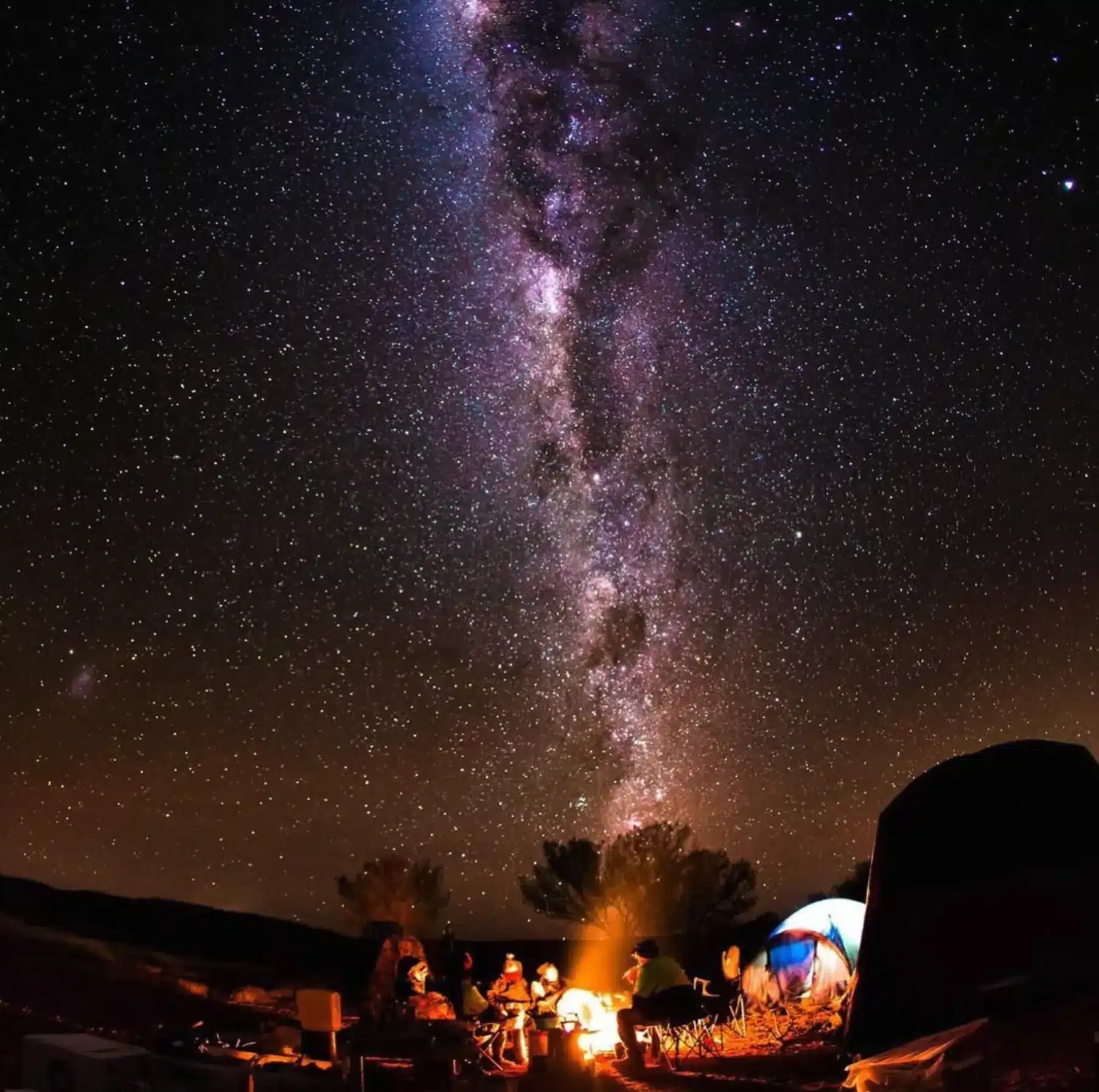
This one has dinner, storytelling, and stargazing all wrapped up in a beautiful desert landscape
What Really Matters
It’s not about the food being fancy – it’s about the setting. You’re out under the stars, chowing down on a meal that’s built around native ingredients and hearing about the land – that’s what makes it all really stick.
A Few People Get Wrong
The length – it’s something to keep in mind, especially if you’ve had a big day already. Maybe you’ve been to Valley of the Winds in the morning or spent some time at the Cultural Centre, and you’re already running on empty.
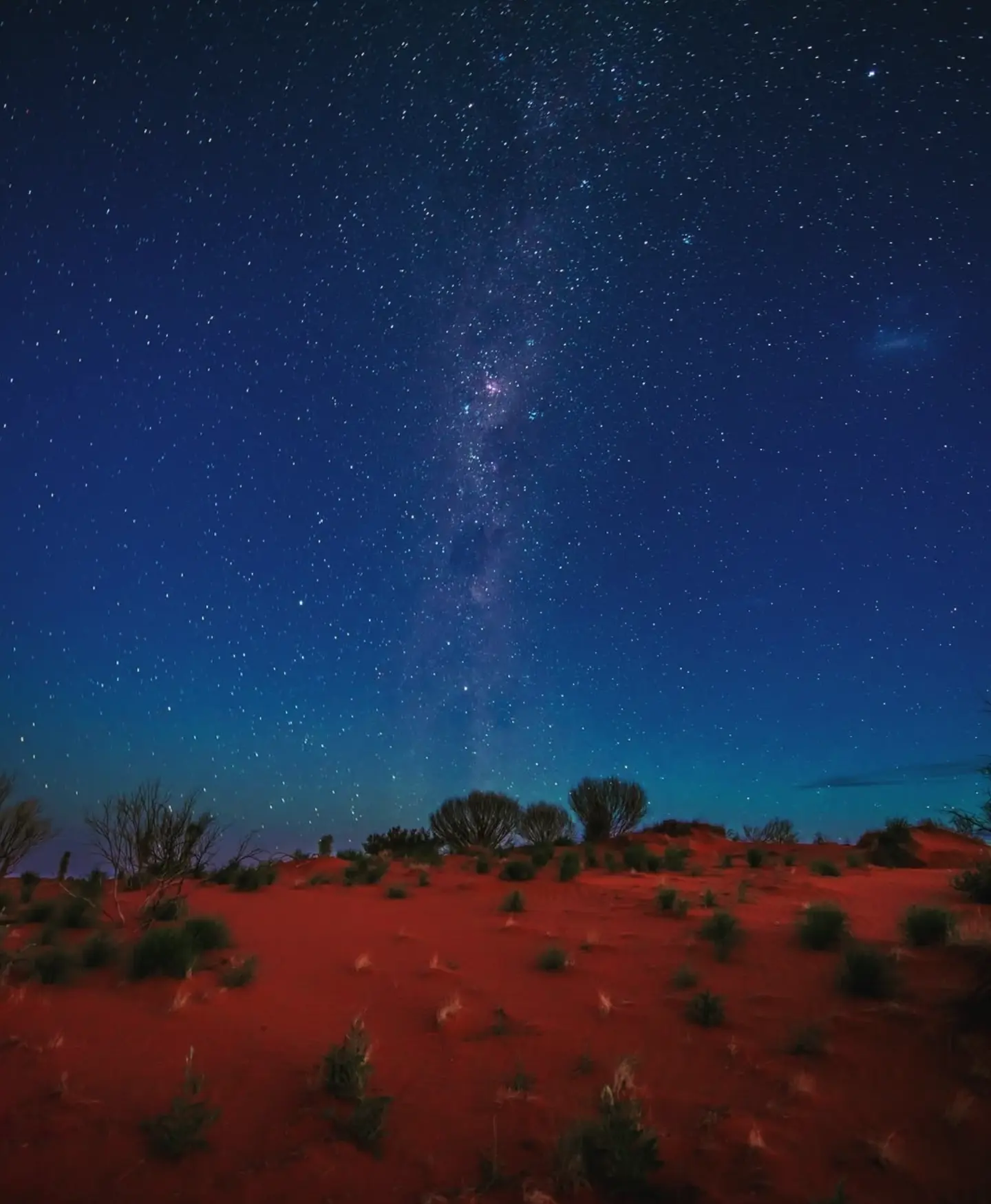
Stargazing: The Easiest Option
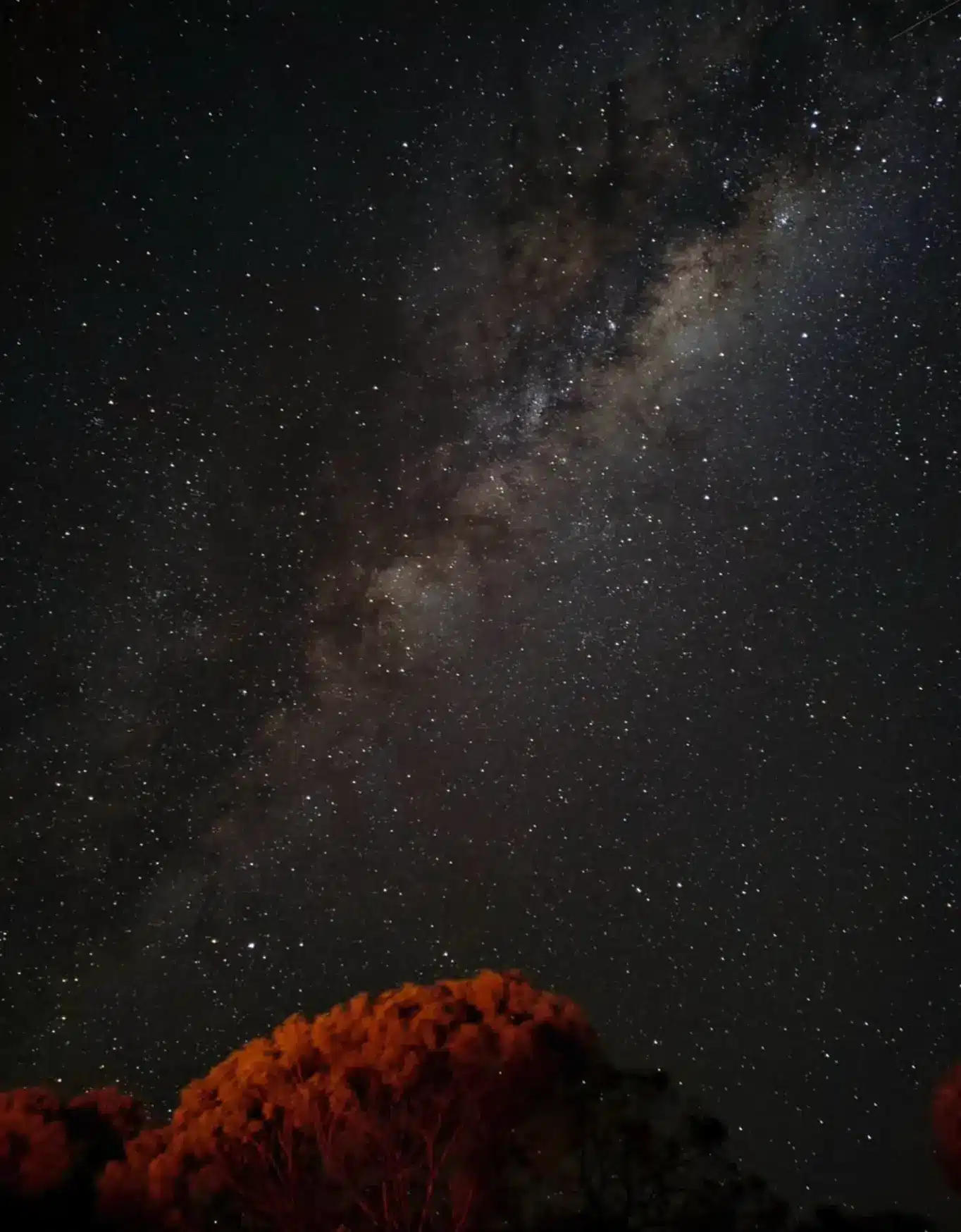
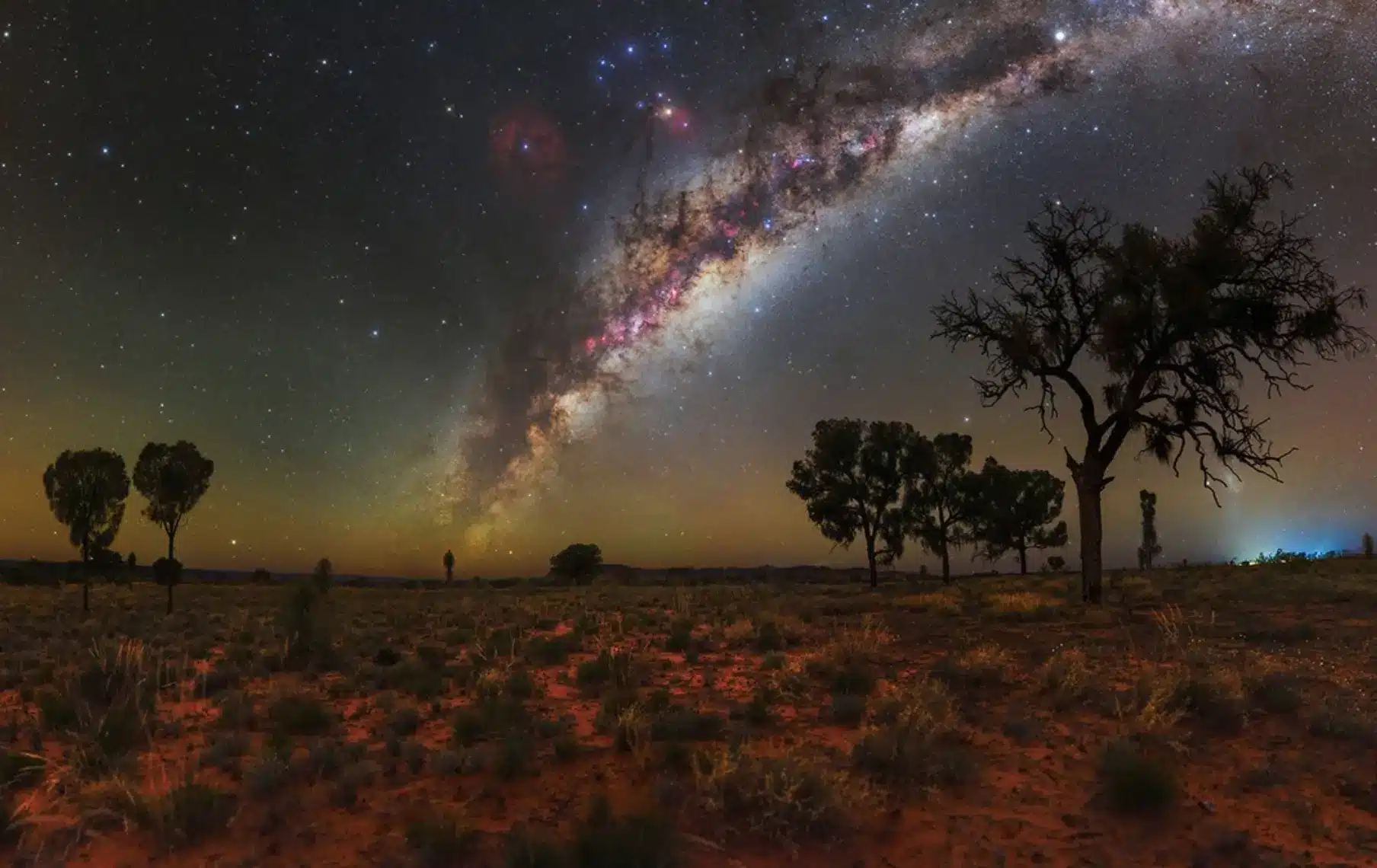
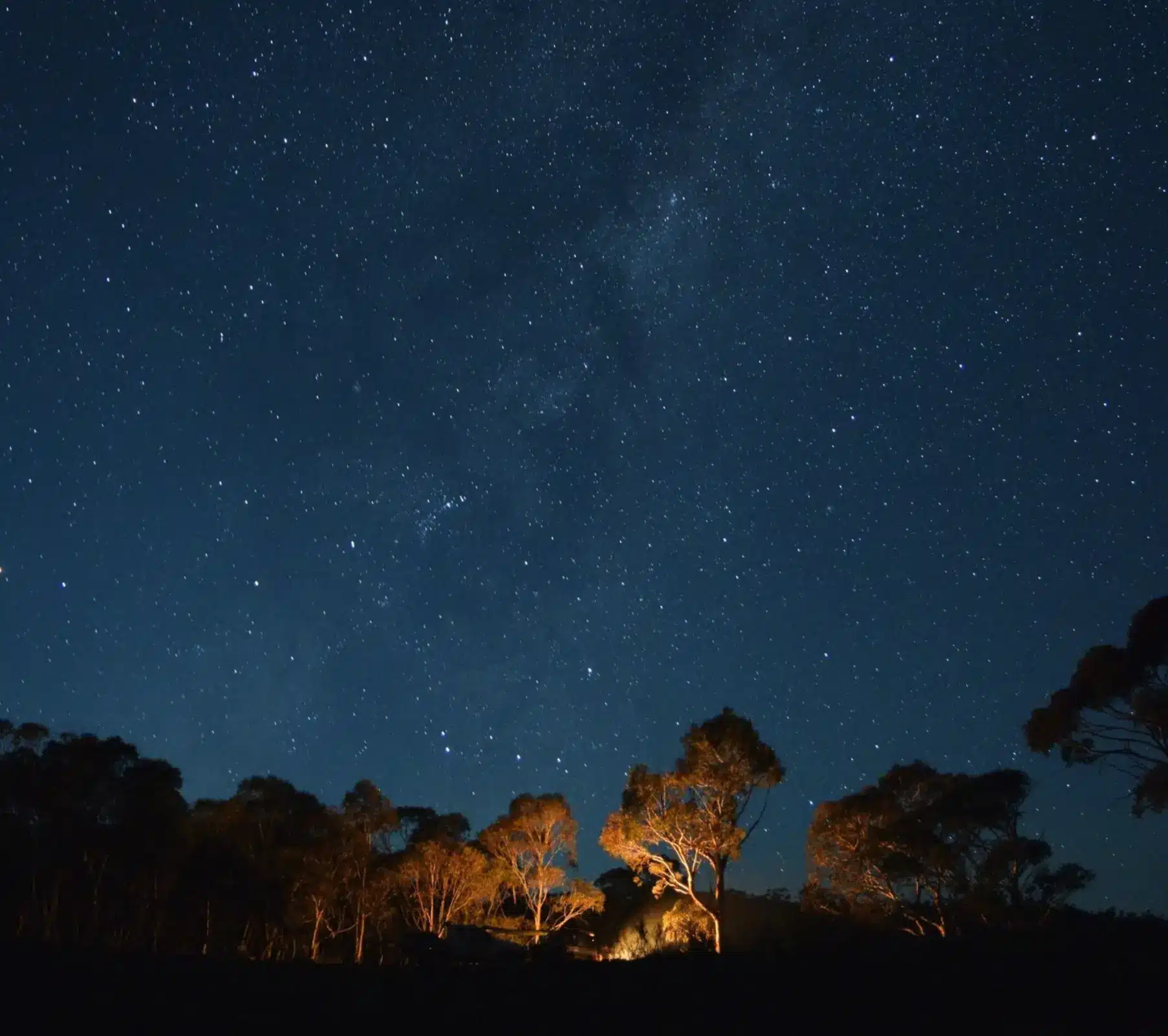
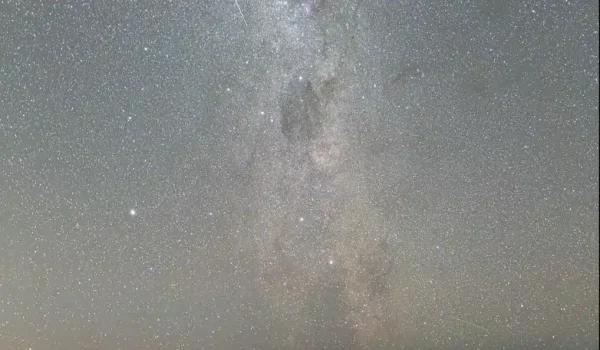
If you can handle the stillness of the night, then stargazing has got to be one of the most underrated experiences out here
What I Found Really Impressive
The clarity- no light pollution, dry air and open skies mean you’ll see way more stars than you would back in the city. I did it for the first time and was blown away – the thing is, you don’t even realise how much you’re missing.
What You Need to Know
The tours are usually 90 minutes to 2 hours long. Getting there is a breeze – minimal walking and no fuss. Just turn up, look up at the sky, and let it all soak in.
Comparing The Main Options Side By Side
Experience
Physical Effort
Real Duration (Incl. Transfers)
Cost (AUD)
Best For
Watch Out For
Field of Light
Low
~2 hrs
$45–$120
Easy walking, visuals
Cold temps after sunset
Wintjiri Wiru
Low
~1.5–2 hrs
$160–$250
Cultural storytelling
Wind exposure
Sounds of Silence
Very Low
~4 hrs
$250–$300
Dining & atmosphere
Long duration
Astro Tours
Very Low
~1.5–2 hrs
$80–$150
Stargazing
Less structured format
Getting Around Without Stuffing It Up
Most people who come to Yulara end up staying near Ayers Rock Resort – sometimes people just call it Rock Resort. To be honest, if you want to get there in one piece, you should probably get an organised tour to handle the transport – it’s the safest option by far.
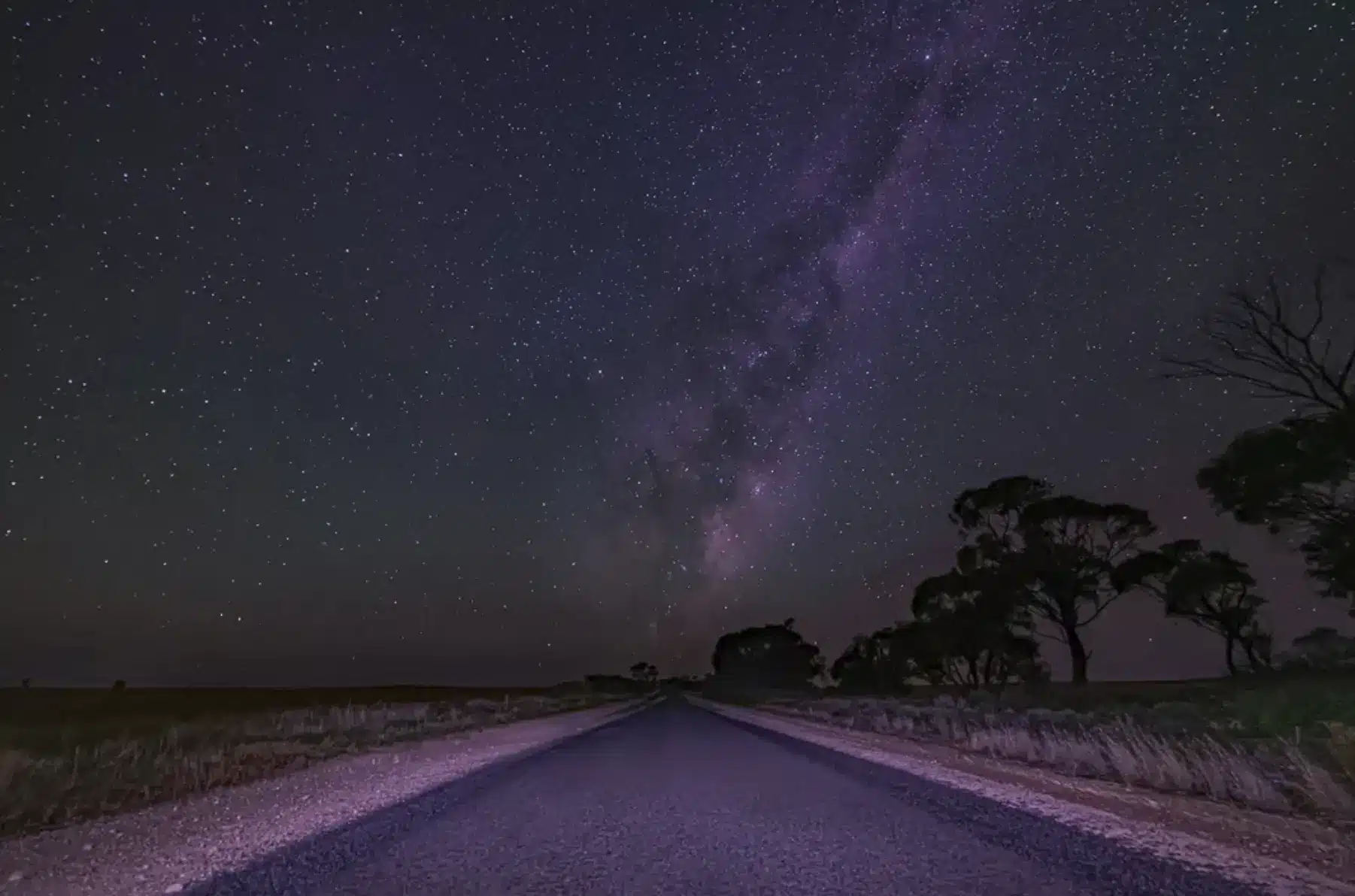
I’ve driven these roads at night, and I gotta say, wildlife has got to be the biggest risk. Kangaroos think they own the place and won’t even bother with road rules – and at night, the visibility is pretty awful. If you’re coming from Alice Springs, figure on at least 4.5 to 5 hours on the Stuart Highway. I’ve seen people roll into town late, out of breath, and totally exhausted before their night tour has even begun.
Where Trips Go Wrong: Expectation vs Reality
People often think that a night tour won’t be too chilly after a hot day – but the reality is, the temperature drops like a stone, especially in winter. It catches a lot of people off guard – they just don’t expect it.
And then there’s the problem of overloading the day. I’ve seen people try to cram in the Uluru Base Walk, grab a quick look at a Sunset Viewing area to see Uluru set, and then just roll straight into a night experience. No wonder they’re cooked by the time they even sit down – the better approach is to just pace yourself, you know? Leave enough time for rest.
Who These Experiences Suit
Night tours are perfect for people who want to take it easy with a slower pace, take in the cooler conditions and just have a bit of a reflective time. If you’re one of those people who gets heatstroke just walking outside, or you’re travelling with older family members, then they’re a great choice.
On the other hand, if you’re the type who likes to push the limits and have a high-energy adventure – well, then these tours probably aren’t for you. You’d be better off heading off to Kings Canyon for the Rim Walk, or getting out to the MacDonnell Ranges near Alice Springs early in the morning when it’s a bit cooler.
If You Only Have One Day
Now here’s where most itineraries go wrong – there’s just too much, too fast. Here’s the smart way to do it:
Morning: just pop into the Cultural Centre and have a quick look at the exhibits nearby
Midday: grab a rest (because, let’s face it, the heat will just get to you otherwise)
Afternoon: just take a quick stop in at a Sunset Viewing area to see Uluru go down
Evening: pick one – it’s either the Field of Light or Wintjiri Wiru for me. Anything more than that and you’re just going to end up burnt out. I’ve seen people try to cram in camel rides, walks and a dash out to Lake Amadeus all in one day – it doesn’t end well, trust me.
Costs You'll Actually Feel the Pinch Of
For a real trip to the Red Centre in 2026, be prepared for park passes to set you back around $38 a pop, accommodation ranging from $180 to $400 per night – and that’s not even counting the cost of some epic night tours which can range from a reasonable $80, to a whopping $300 depending on what you want to do.
If you’re after a hassle-free experience like a 4 Day Uluru Tour from Ayers Rock, a lot of these costs get bundled up for you. Tour operators like Wayoutback and the likes of Adventure Tours Australia do all the hard work for you – transport, meals, guiding – it can take a weight off your shoulders, that’s for sure
Seasonality: What Really Matters
When summer rolls around (November to March), it’s hot, really hot. You’d almost need to do a night tour to cope. But come winter and the days are comfortable, it’s the nights that can get a bit chilly – near freezing is not unheard of.
Rain is pretty scarce, but when it does come, it changes the whole place. The colours really pop, and areas around the Salt Lake at Lake Amadeus can even get a bit of water – it’s not a big deal, but if you’ve been around before, you’ll notice.
Final Take: Just Go With The Flow of the Desert
Every single person who’s ever really enjoyed Uluru has one thing in common – they’ve managed to respect the local conditions.
Night tours aren’t just a workaround to avoid the heat. They’re actually the better experience – cooler, quieter and a lot more meaningful. Whether you’re doing things on your own or using a company like Wayoutback, planning your trip around an evening routine really does make a difference.
And if you’re trying to put something bigger together – like taking in Kata Tjuta and Kings Creek Station, or hooking it all up into a bigger outback adventure – try anchoring around your nights. That’s when this place really comes alive.
It’s doable, but to be honest, wildlife is a big concern at night, so you’re probably best sticking with organised transport – it’s a heck of a lot safer.