Why Nighttime Sightseeing Is The Biggest Uluru Trend For 2026
Nighttime sightseeing is fast becoming the most popular Uluru trend for 2026. It boils down to a simple fact: it just feels better. You get to avoid the blistering heat of the day, move around a lot more easily, and stumble upon Uluru-Kata Tjuta National Park at a time when it feels a lot more peaceful. Having spent years leading groups across the Red Centre, I’ve watched as people adjust their whole itineraries to fit in the evening hours – and let me tell you, they seem to get an awful lot more out of it.
I’m Paul. And I’ll put it straight to you: if you only ever visit Ayers Rock during the day, you’re basically halfway through the experience. In Central Australia, when the sun goes down, all the chaos disappears – fewer people around, a nice cool breeze, and you can really start to feel a connection to the land itself. Not overhyping it, just good old-fashioned sensible travel.
Table of Contents
How The Red Centre Transforms After Sunset
As the sun sets behind Uluru, the whole place takes on a new rhythm. The heat eases off, the wind dies down a bit, and suddenly you’re not frantically dashing between shady spots just to stay cool.
This is where the real shift in attitudes in the tourism game is happening – people are now factoring in their comfort, rather than just ticking off the top sights.
What I've Seen With My Own Eyes - And What Really Surprises People
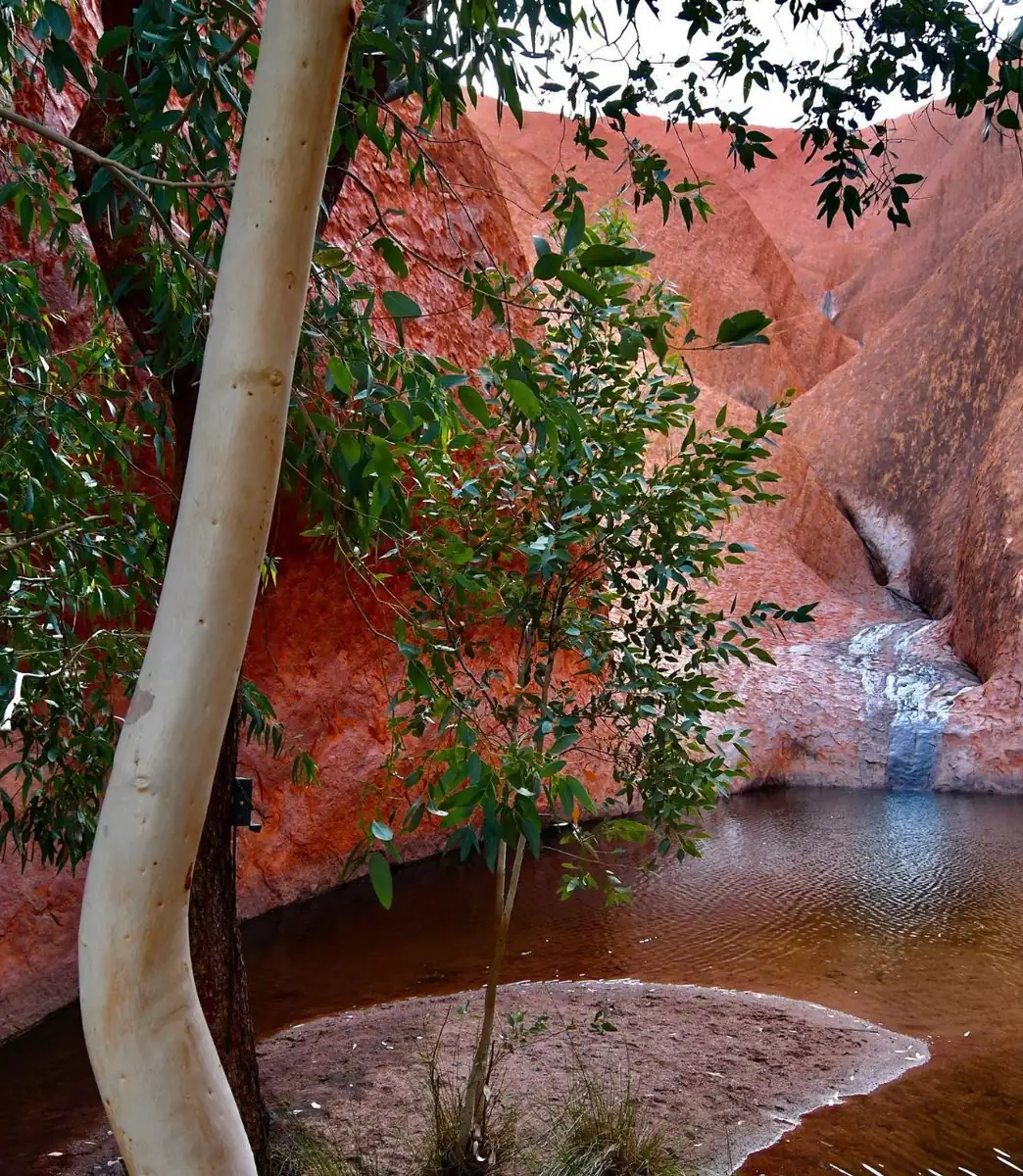
The first time I ran a late-evening walk down by Mutitjulu Waterhole, a traveller turned around to me and said: “Why didn’t someone tell us to do this first?” That kind of reaction isn’t uncommon.
I’ve seen people get caught off guard because of:
The quiet – once all the coaches go, it’s properly silent out there
The pace – suddenly you can just enjoy your surroundings without rushing
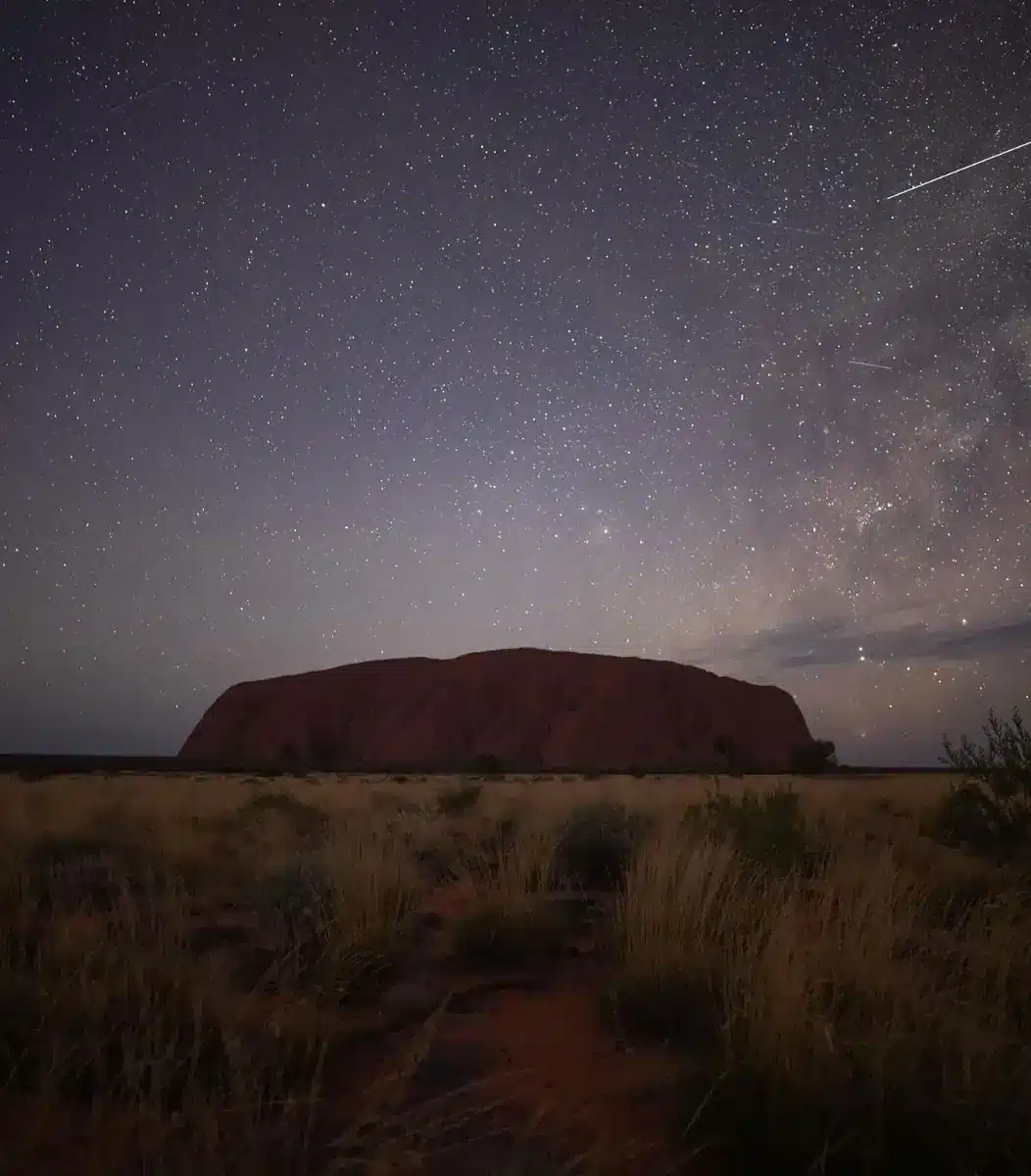
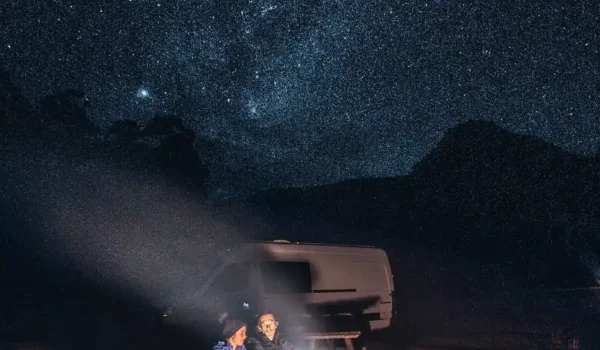
The night sky – the Milky Way doesn’t just pop up, it’s the main event
On the flip side, I’ve also witnessed people underestimating the conditions big time – there was one bloke who rocked up in shorts and thongs at 9 pm, convinced it was still the same old desert – after 30 mins he was freezing and begging to borrow a jacket.
Night Experiences That Really Live Up to the Hype
There’s been a noticeable swing away from the mad dash for sunset snaps and towards more laid-back, grounded experiences. Places like Uluru Ayers Rock Tours have really run with this – focusing on smaller groups and longer, more in-depth sessions rather than just rushing from one thing to the next.
You’ll also see this trend playing out across Uluru tours in Australia, where the nighttime inclusions are now the main event.
What's Worth Your Time (and What's Just a Waste of Money)
Not all tours are created equal – and that’s where people tend to end up wasting cash.
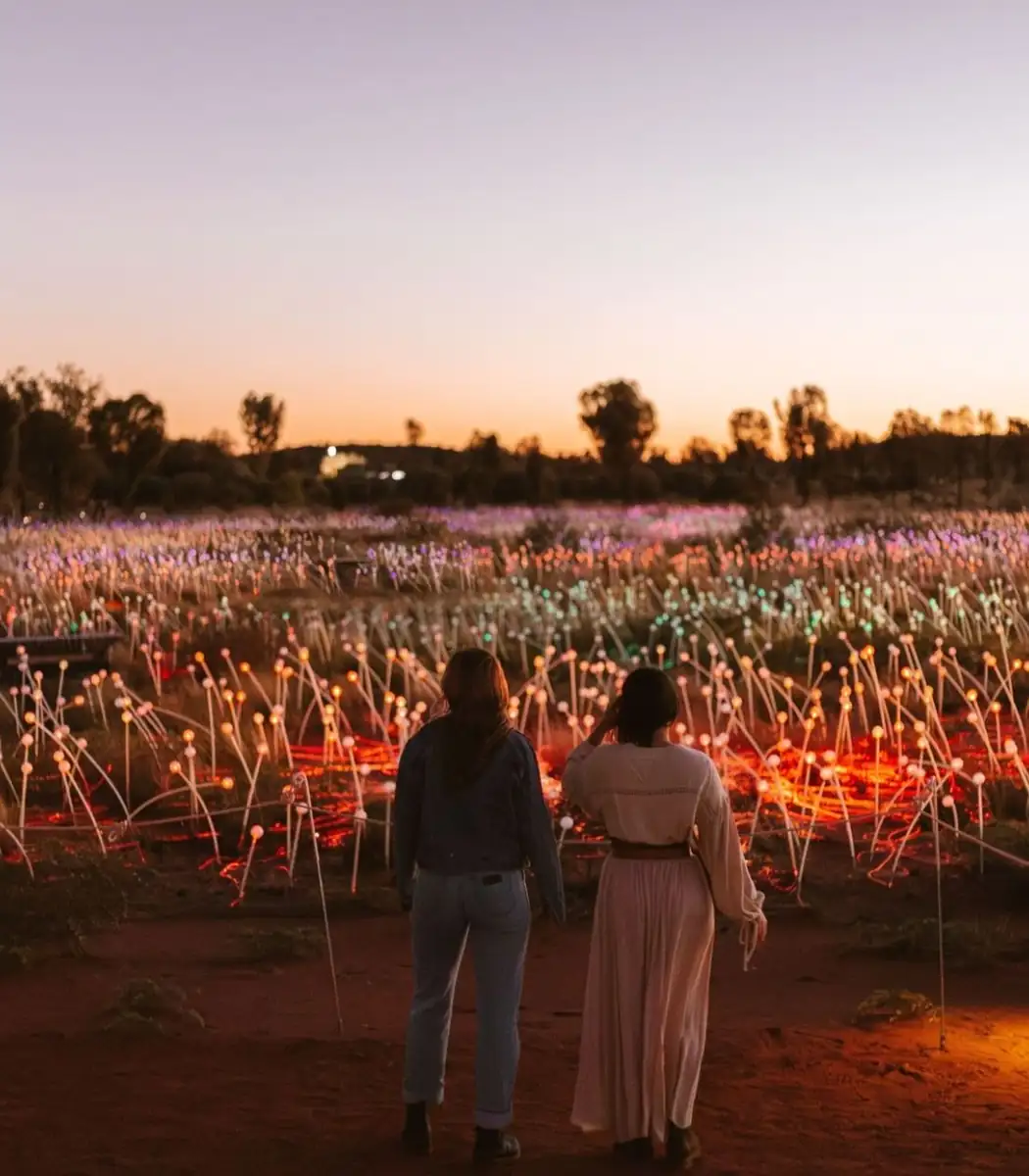
Field of Light Uluru (Bruce Munro): Go early or late to avoid the crowds, definitely.
Guided cultural walks: These are a real value – especially if you hang out around the Cultural Centre and get to check out some of the local rock art and cave paintings.
Bush Tucker dinners: If you want to hear some stories alongside your meal, these are a great choice.
Self-guided night drives: To be honest, not a great idea if you’re not familiar with the roads and wildlife patterns around here.
Expectation vs Reality:
You might expect to be wowed by flashy lights and a big show, but the best experiences are actually pretty low-key – think soft lighting, quiet stories and plenty of time to soak it all in.
Getting To Uluru Without Stuffing It Up
Uluru is way out in the middle of nowhere – and getting around locally is something you really need to get right.
Access And Transport (A More Practical Look)
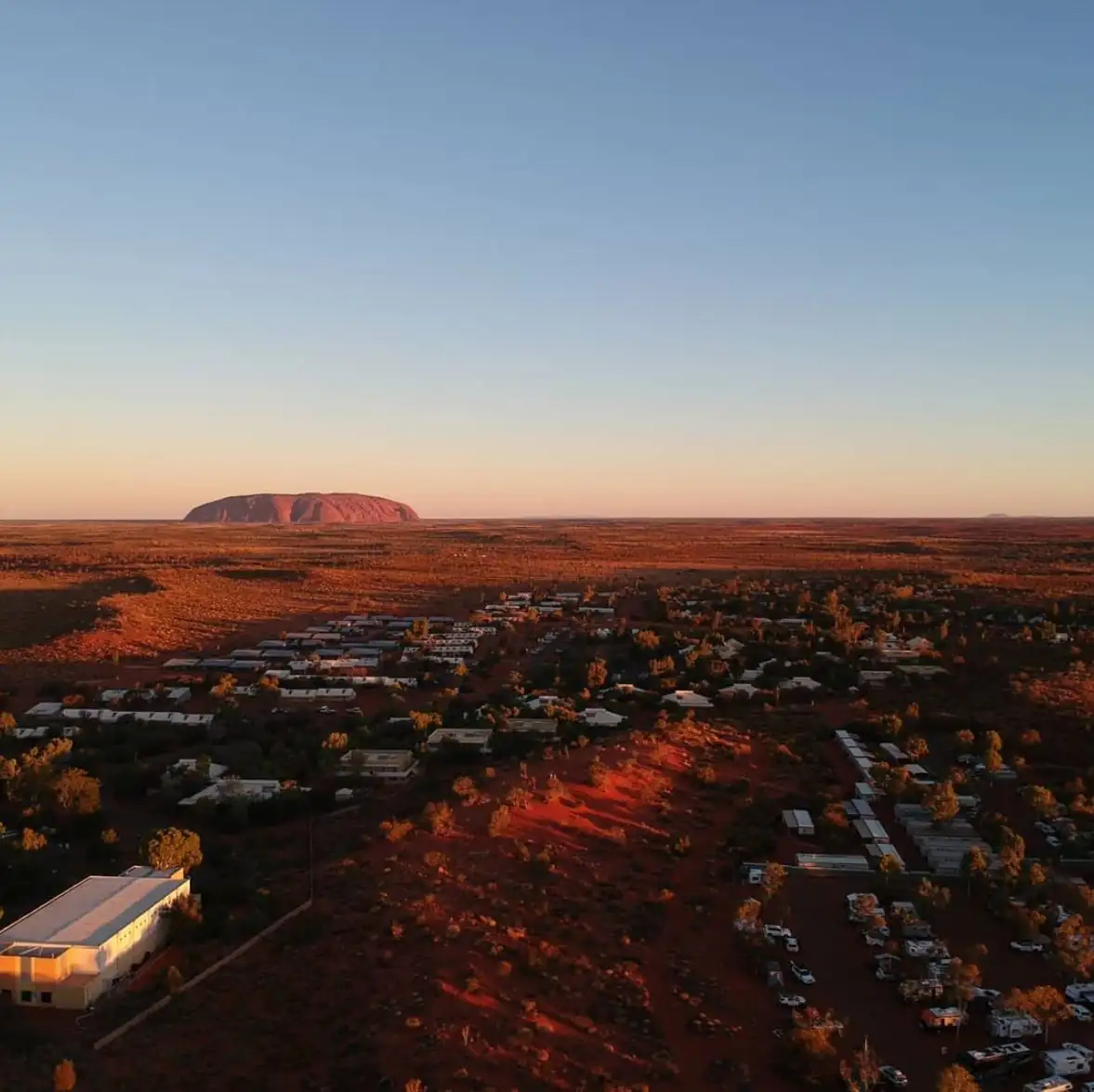
Most people fly in to Connellan Airport, which is just a short drive from the Ayers Rock Resort (or ‘The Rock’ as the locals call it). From there, everything branches out from there.
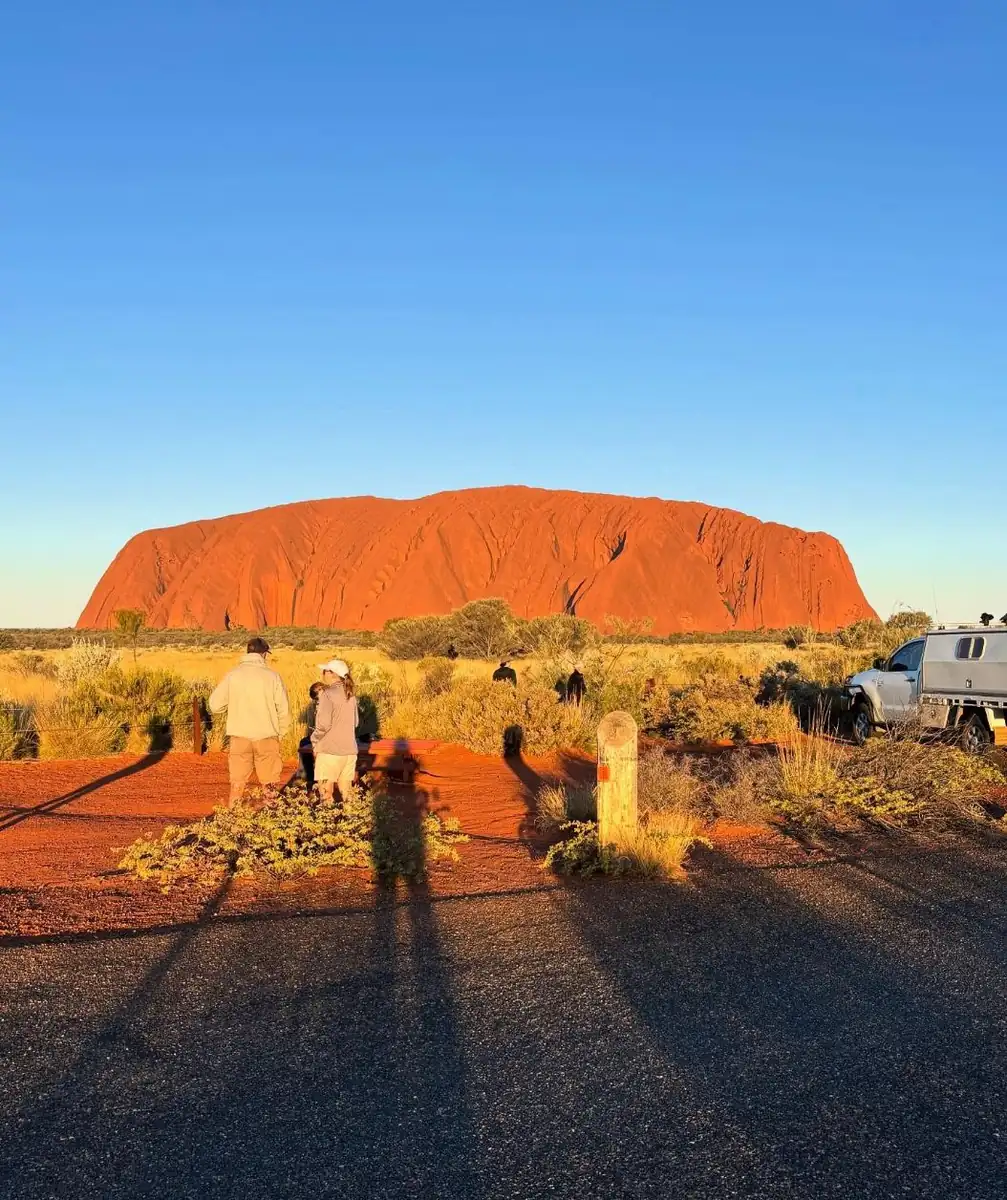
Drive time from the resort to the sunset viewing area: around 15-20 minutes
Uluru Base Walk access points: There are loads of car parks, but Mala and Kuniya are the main two you’ll be using
Return routes at night: same roads, but you’ll need to allow a bit more time – maybe 10-15 minutes – because of all the wildlife about
Parking is pretty straightforward, as long as you stick to the designated areas. But this is a catch – the spots near the sunset spot get snapped up early, especially in peak season – I’ve seen people circling for 30 minutes before giving up.
If you’re not totally confident driving at night, it might be better to book a transport service through Voyages Ayers Rock Resort or a guided operator. Trust me, the roos and dingos won’t care about your rental agreement.
Night Vs Day: Practical Differences That Matter
Factor
Daytime Experience
Nighttime Experience
Heat Stress
High (especially summer weather)
Low to moderate
Walking Conditions
Fatiguing, exposed
Comfortable, slower pace
Visibility
Clear but harsh light
Limited but atmospheric
Cultural Engagement
Often rushed
More focused and guided
Risk Level
Heat-related issues
Navigation and wildlife risks
This isn’t about what you want – it’s about making sure you’re choosing the right conditions for the activity.
Safety And Risk Before You Go
Nighttime tours – they’re not inherently dangerous – but they’re not foolproof either.
The Real Risks - And How To Keep Them From Causing Havoc
I’ve had to turn a group of people around before because the conditions just changed overnight – most often because the weather decided to change its mind or people were just getting too tired.
Temperature plummets: Winter nights can get down to 10°C or lower – so bring some layers
Reduced visibility: A headlamp is pretty much a must-have when you’re walking on uneven tracks
Wildlife on the move: Kangaroos & dingoes, especially when they’re on roads
Fatigue: People tend to underestimate just how tired they already are after the day
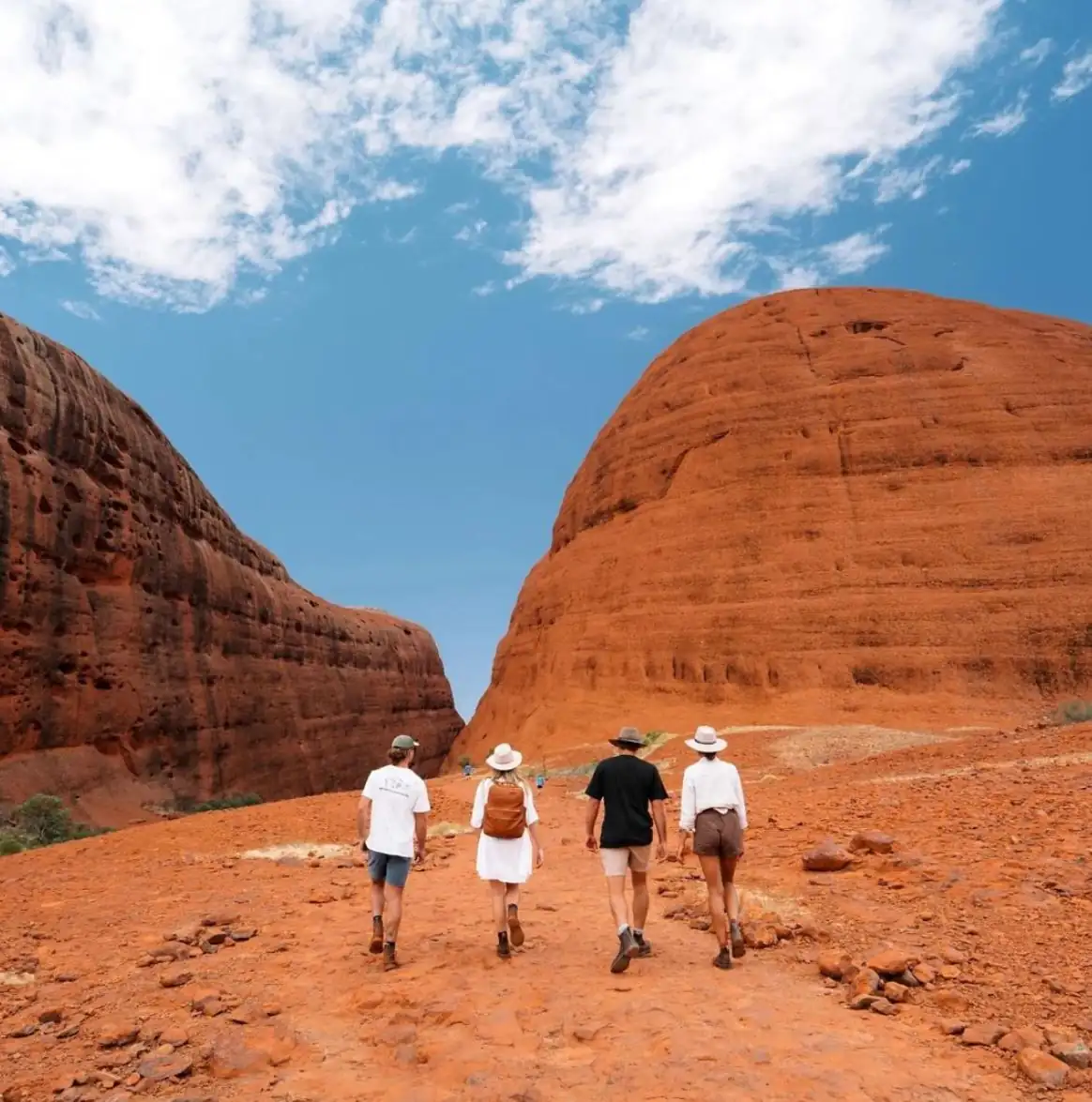
You don’t want to be wandering off track here – stick to the marked roads and trails, especially around places like Kata Tjuta, which can get pretty wild.
Costs - What You'll Actually Be Forking Out For
Uluru ain’t cheap – but if you know where to look, it doesn’t have to break the bank.
NT Parks Pass: About $38 per adult for 3 days
Nighttime experiences: $120-$300, depending on what you get
Accommodation at the resort: $180-$500 a night or more
Meals: $25-$60 for casual dining, while premium dinners can exceed $100
If you’re doing one of those self-catering holidays or you’re in a caravan, then costs come down a bit – but you might find the facilities are a bit limited compared to caravan parks down south.
Best Timing Based On Real Conditions
Everyone talks about the dry season – but lets look at what really matters.
Seasonality - A Little Common Sense
Dry Season (Apr – Sep): Pretty good overall – cooler nights, clearer skies
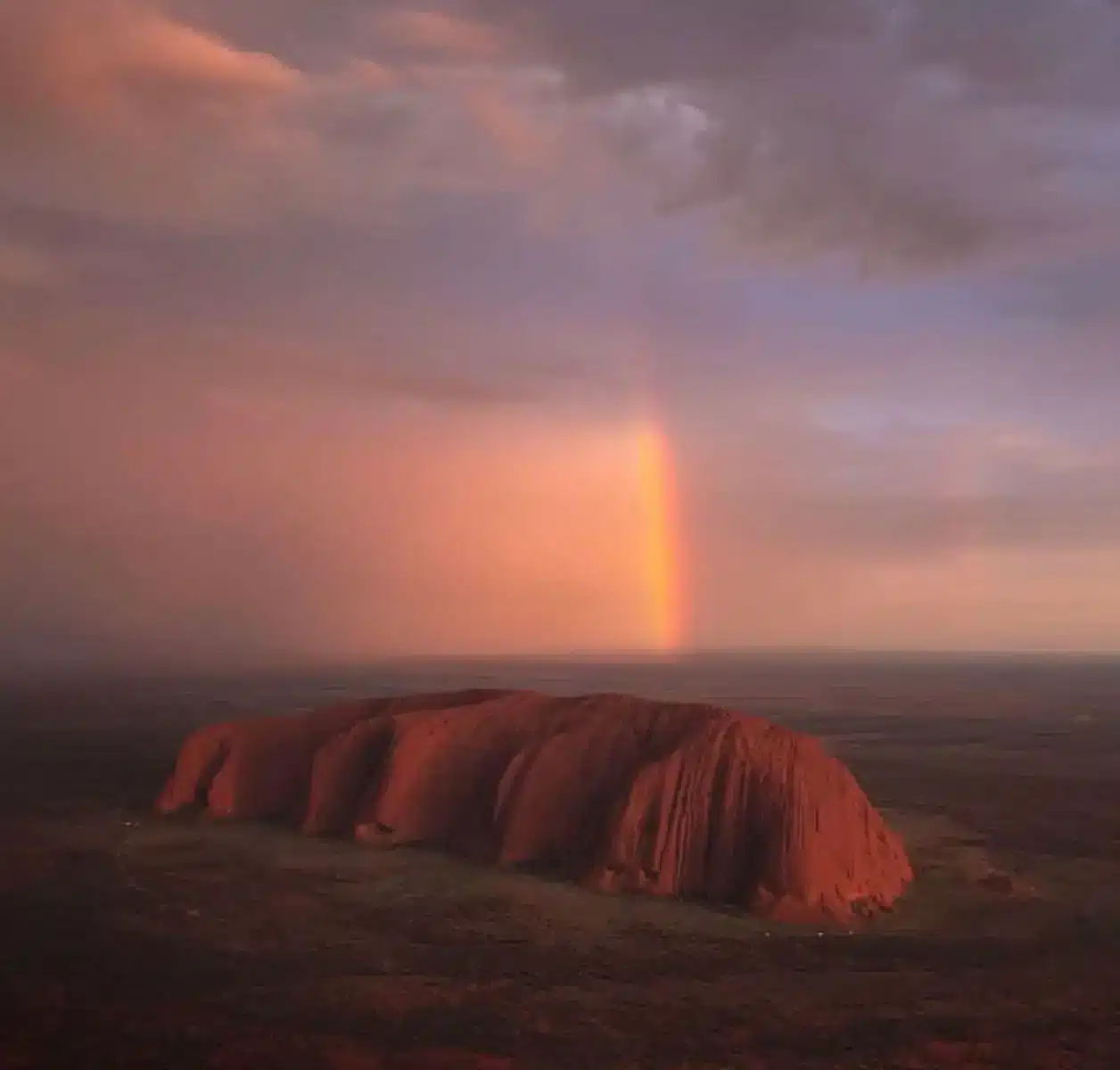
Build-Up (Oct – Nov): Hot as, but sometimes those stormy skies can be pretty dramatic
Wet Season (Dec – Mar): Fewer people about, but the heat & the possibility of some places closing their doors
Summer weather & fire seasons can play havoc with access – I’ve seen bits of the track get shut off because of that.
One Day in Uluru - How To Make The Most Of It
This is probably the biggest mistake most visitors make – trying to cram every last bit of Uluru into daylight hours like you’re trying to pack a whole year’s worth of holiday into a single day.
But with just a day, you’d do better to flip that script and do things the other way around.
Get into Uluru mid-afternoon, take a load off and avoid the worst of the heat – then plan a late visit to the Cultural Centre, followed by some sunset-watching at a designated viewing area, have dinner, and then end the day with either a field of light show (if it’s on) or do some stargazing.
That flow really works because you’re not fighting the conditions; you’re working with them.
This Experience Is For (And Not For) Certain People
Nighttime Uluru isn’t for everyone – and that’s perfectly okay.
Its Best Suited For
People who prefer cooler weather
Anyone who’s into culture and storytelling
Photographers chasing the Milky Way – this place is a dream for that
Aussie Tours Uluru travellers with flexible itineraries
Its Not Ideal For
Anyone uncomfortable in low light
People with mobility issues who cope with uneven ground badly
Late-night party seekers expecting nightlife and midnight dining
I’ve seen people turn up to night tours expecting the Ritz – Club Med – and then get really, really disappointed when it turns out Uluru does a lot of things, but being a late-night party spot just isn’t one of them.
Patterns I'm Seeing With Travellers
Over the years I’ve been watching, I think I’ve spotted a change – travellers are staying a bit longer in Ayers Rock Resort and spreading their activities out a bit more – day and night, instead of just rushing round and leaving.
And the operators are adapting to that, too – Uluru Ayers Rock Tours are starting to do more evening things because of the demand – especially from people who are just dying to get a bit of that dark-sky tourism in.
Its the same thing I’m seeing in places like Wadi Rum or Alaska, for example – but Uluru stands out because it’s got this rich, deep culture all its own – it’s not just about the view.
Final Thoughts
Yes, and in 2026, that’s looking like a top choice for good reason.
Nighttime sightseeing isn’t meant to replace daytime visits – it’s all about finding a balance. So you can avoid the sweltering heat, the crowds and the exhaustion. That way, you’ll be able to get around more easily, think more clearly, and really connect with the place.
If you get your planning right, then nighttime becomes the real highlight of your trip – not just some add-on.
The Bottom Line
The fact is, nighttime sightseeing at Uluru is taking off because it solves some really genuine travel headaches – the heat, the crowds and the feeling of rushing through the experience. What you get is better conditions, more insight into the local culture and some world-class stargazing. Plan it the right way, respect the environment, and you’ll get more out of your time in the Red Centre than most people ever do.