The Science and Timing Behind the Desert’s Rarest Colour Change
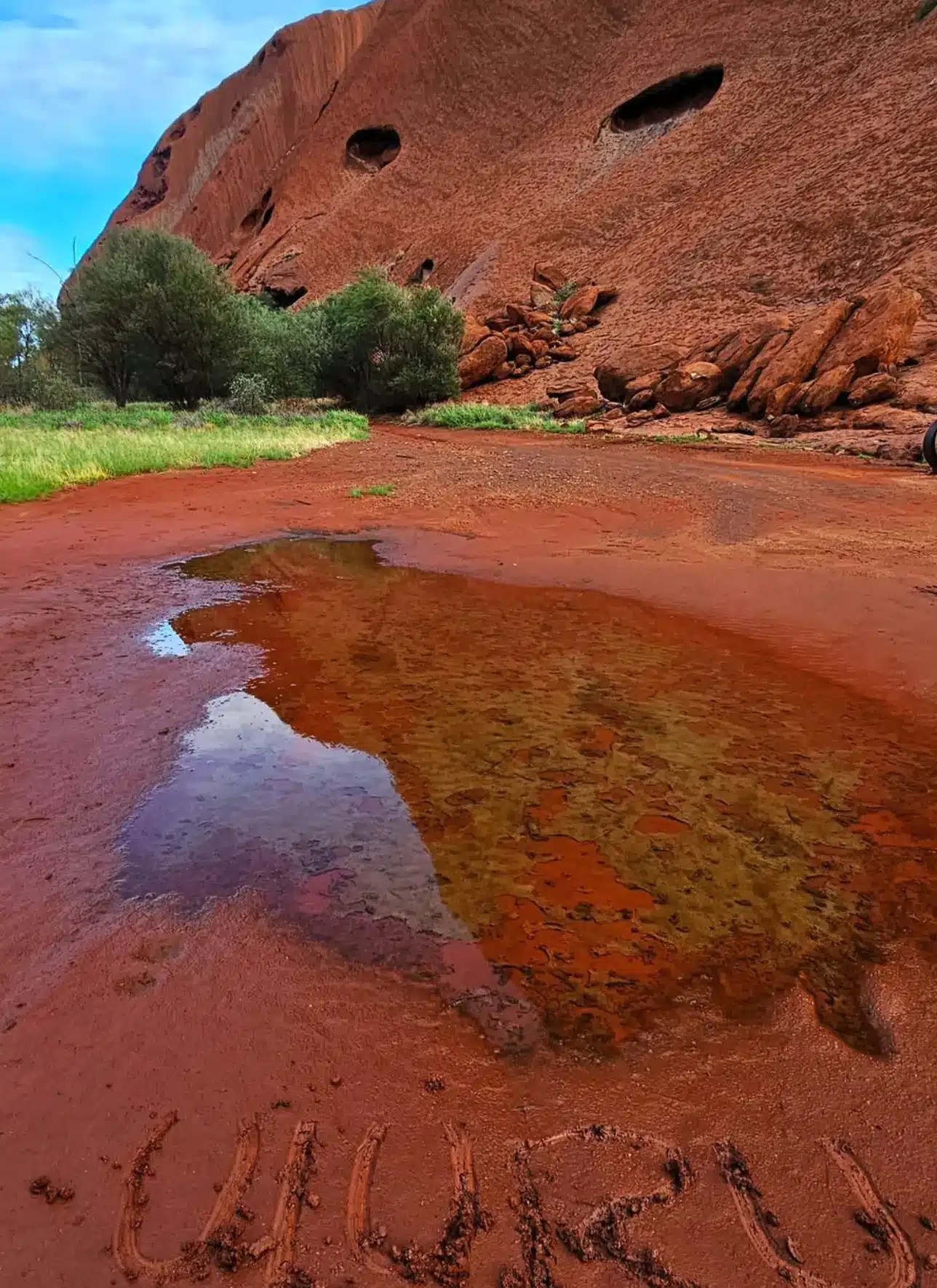
The science and timing behind the desert’s rare colour change comes down to a very narrow window – a specific combination where heavy downpours (anything from 20–50mm in a short space of time), followed by a few mild-to-warm days (think around 18–30°C), suddenly kick dormant plant systems into life. Just like that – almost overnight. If that whole sequence lines up late winter to early spring, the full colour shift is yours – miss just one of those elements and the whole show is cancelled.
I’ve spent years driving across the Red Centre and other similar landscapes, and here’s the plain truth: this isn’t an event you can simply book into your schedule. It’s a moving target that’s heavily influenced by climate patterns, soil chemistry and the timing – even down to the week or sometimes the day. When you get it right, the desert’s colours are like a display of fireworks – but when you don’t, it’s just endless heat, dust and long drives with nothing to look at.
Table of Contents
What's Really Going On Under Your Feet
This isn’t just flowers popping up – it’s a full-on ecological response that’s triggered by the absolutely perfect combination of environmental conditions. Climate scientists use complex climate models and long-term climate records to track these cycles, showing just how rainfall patterns and atmospheric circulation affect how often the blooms come.
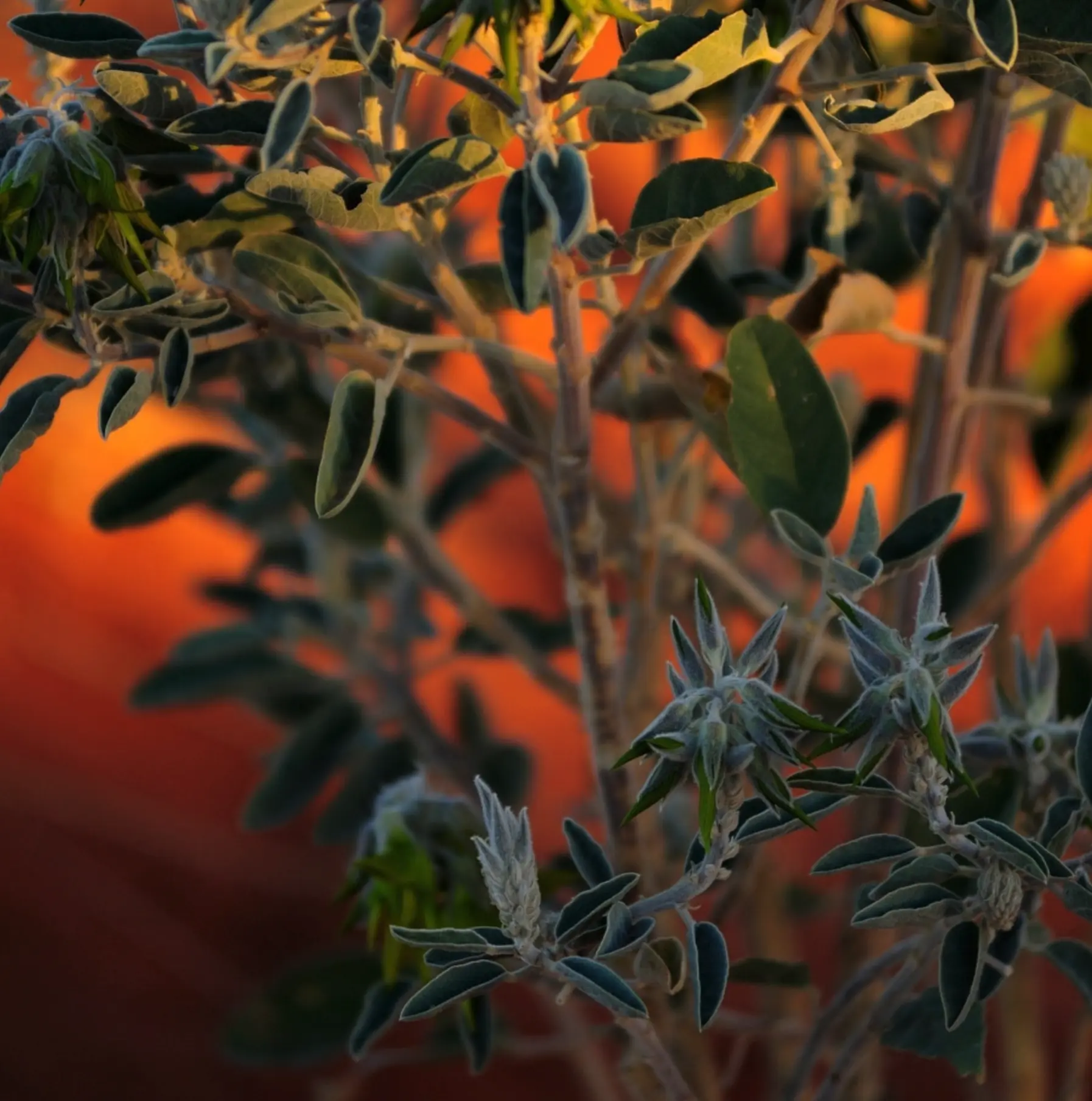
Out in central Australia, the soil works like a big vault. Seeds from native flowering bulbs and hardy desert plants have been sitting in the soil for years, just waiting to be triggered. When the rain comes fast and deep enough, it’s like a switch flips and all those seeds are activated at the same time. Then the plants that use this special trick called Crassulacean Acid Metabolism spring into action, conserving water and growing like crazy under those harsh desert sun conditions.
What do most people get completely wrong? They think “rain = flowers”. Not quite. I’ve driven out to the desert after some reasonable rainfall only to find nothing because the temperature dropped too low overnight, and germination stalled. Timing isn’t just about the season – it’s about the conditions.
There’s also a chemical side to this magic display of colour – the deep reds, purples and yellows are all down to pigments reacting to stress and sunlight. Scientists have found similar compounds in studies of fossilised dinosaur skin and ancient pigment deposits, linking the modern-day blooms to long-term biological processes preserved in the geological record.
Where To Stay Without The Chase
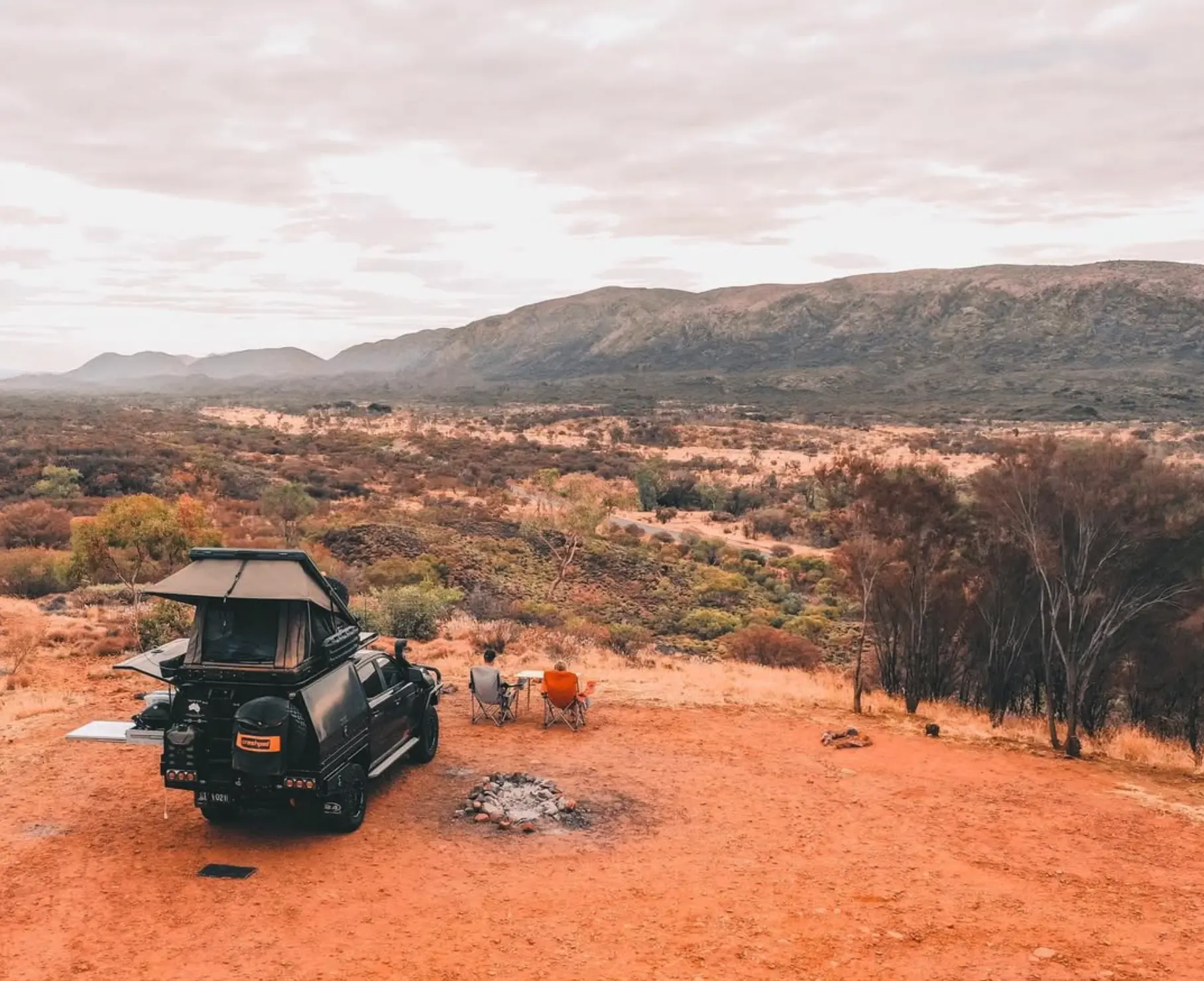
If you’re serious about seeing this, you need a solid base – not just some random spot on the map.
Red Centre Access That Actually Gets You Somewhere
Alice Springs is your best bet – not just a place to stop up, it’s actually a proper logistical hub with fuel, food, and multiple roads that go places.
From there:
Hit the West MacDonnell Ranges via Larapinta Drive
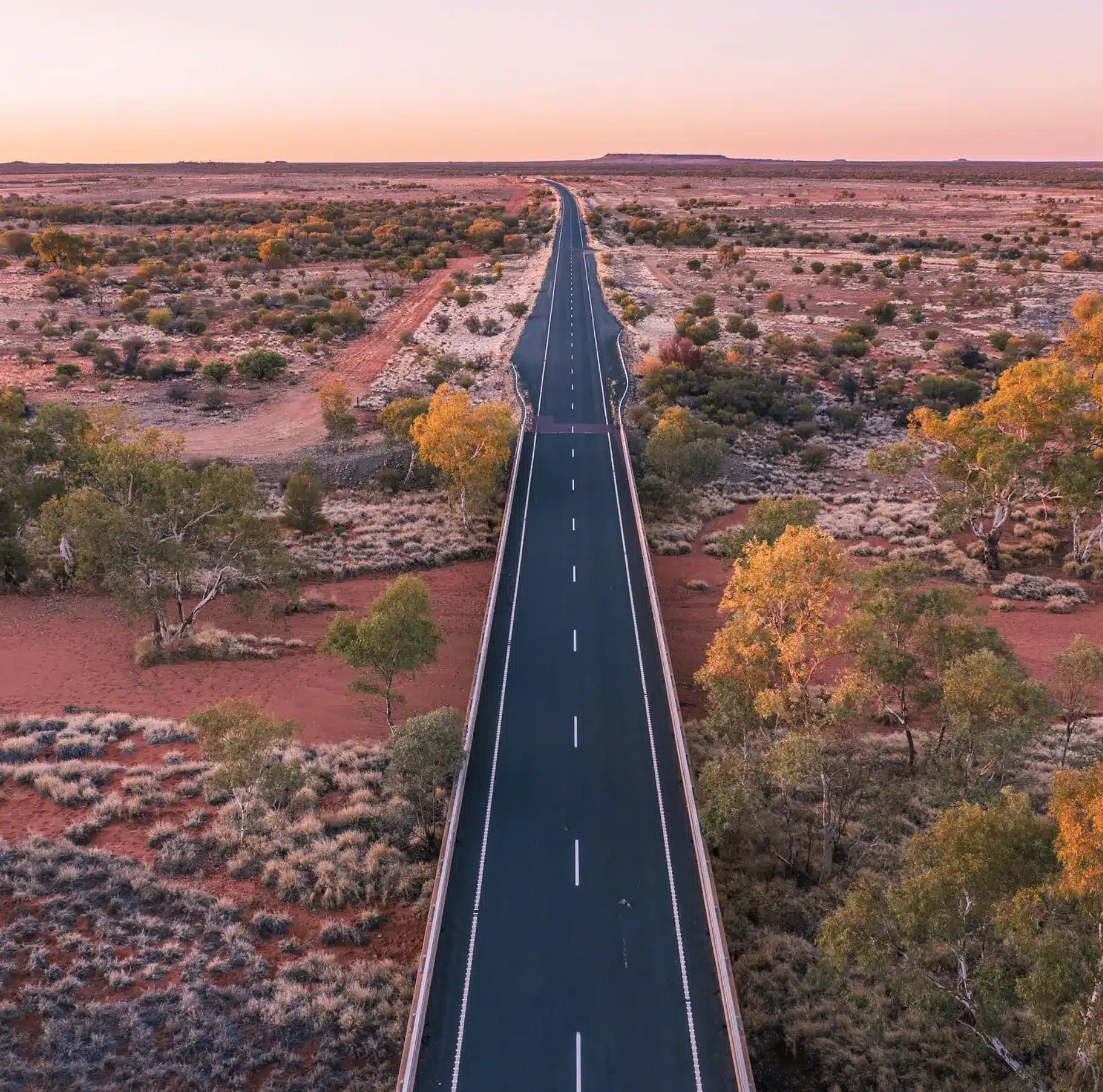
Head south along the Stuart Highway towards Uluru
Explore Kings Canyon via Luritja Road
Tours like Wayoutback Tours and options within Uluru Tours Australia usually adjust their routes depending on what’s just happened with the rain, which is just what you want.
Realistic Travel Times - Don't Even Bother With Google Maps
Alice Springs to West MacDonnells: 1.5-2.5 hours, depending on how many stops you make
Alice Springs to Uluru: 5-6 hours if you’re lucky – but realistically longer with roadworks or wildlife on the road
Kings Canyon loop: you’ll need a full day to do it – realistically 10-12 hours with stops along the way
What really catches people out? They underestimate just how big the distances are. Everything looks closer on a map than it actually is.
What Actually Goes On On The Ground
You don’t just magically stumble into a desert bloom, you’ve got to put in the effort – and sometimes that means a bit of hard work.
I recall a trip when we had to bug out and start over from scratch after a storm dumped a lot of rain overnight. Roads were shut tight, and we were stuck at a dusty old roadhouse for a day or so waiting for word on the situation. Frustrating as heck at the time – but that same rain went on to put on one of the most spectacular colour displays I’ve ever seen two days later.
The Reality Check
Expectation: You’ll be driving through endless fields of colour like out of a postcard
Reality: It’s patchy and unpredictable, and you’ve got to keep moving to even halfway find the good bits
Expectation: Roads will be back open as soon as it stops raining
Reality: A lot of tracks get shut down for 24 to 72 hours in order to prevent damage, so you’ve got to plan around that
Expectation: You can just wing it, no problem
Reality: You need to do some serious fuel planning, have some solid backup routes locked in, and be ready to think on your feet at a minute’s notice
Costs, Gear & Reality Check
This isn’t a road trip to take on a whim, especially if you’re doing it right.
Item
Realistic Cost (AUD)
Notes
Fuel (remote NT)
$2.50–$3.20 per litre
Prices spike outside towns
4WD hire
$150–$300/day
Worth it after the rain
Campsites
$15–$40/night
Basic facilities
National park entry
$10–$25/day
Varies by location
Food supplies
$20–$40/day
Limited options outside hubs
Cutting costs by camping is definitely an option – but don’t be foolish & skimp on water or fuel. That’s when people start to take some pretty reckless decisions.
When To Head Out - What Seasonality Really Means
Out here, seasonality isn’t just about the weather – it’s about how much access you get, whether it’s safe, and whether you’ll actually see anything that’s worth your time.
Late July to October is peak time, but only if the winter rains have actually shown up. If the inland has been dry as a bone, the difference is barely noticeable.
When we get La Niña going, the inland starts getting more rain, which means blooms are more likely. But if it’s a dry year, even in peak season, you might be out of luck.
I’ve seen lots of travellers show up in peak August expecting to see some colour – only to be greeted with nothing but bare ground because the rainfall just didn’t show up in that area. Meanwhile, 200km down the road, it was a riot of colour.
Who's This Experience Actually Suitable For
Let’s be clear – this isn’t for everyone. If you need to be told what’s going to happen at every step, this might not be the best fit.
If you actually enjoy the uncertainty of long-distance outback driving, adjusting your plans on the fly, and getting caught in your elements, then you’re probably going to love this.
If you want certainty, a tight schedule & a guaranteed outcome – you’re going to get frustrated.
Not exactly ideal for beginners if:
You’ve never driven long distances in areas where there’s not a lot of traffic or signs to follow
You’re not comfortable with basic navigation and planning for fuel stops
You were expecting some sort of luxury experience everywhere you go
That being said, getting on a guided trip with some of the local operators like Wayoutback Tours or Uluru Tours Australia can definitely ease some of that stress out of your system.
If You've Got Only One Day – Don’t Waste It
If you’re short on time, don’t even think about trying to cram in a 1000km drive and see everything in between. You’ll end up spending most of your time stuck in the car, and barely get a chance to do anything else.
Your best bet is to base yourself in Alice Springs and head into the West MacDonnell Ranges. Not only are the distances shorter, but you’ll also have better access to the areas you want to see – and there’s a much higher chance you’ll spot those famous colour shifts after a bit of rain.
Focus on the areas that are going to hold onto the water a bit longer – the gorges, the low down valleys and any shady spots you can find.
Don't Ignore the Risks – You're in the Outback Now
This is still the Australian outback we’re talking about – you’ve got to treat it with respect. Sure, the colour changes are beautiful, but don’t get too carried away – even during the wet spell, it can still get hot as hell during the day, and dehydration can sneak up on you when you least expect it.
And then there are the road hazards…
Animals coming out at dawn and dusk
Bits of road that will be washed out after a big rain
And don’t even get me started on the gravel – it’s loose and rough, and it’ll shake the stuffing out of your car.
Physically, it’s not too bad, but it’s constant – you’ll be walking on uneven ground, often in the heat of the day, with not much shade to be found. And trust me, the mozzies will make an appearance as soon as there’s any water around.
It's Not Just About the Pretty Pictures
These colour changes – they’re not just a pretty sight, they’re also an ecosystem trigger. All of a sudden, insects start hatching, birds come in, reptiles start getting around… It’s a short window, but it’s a critical one that helps support biodiversity in these tough environments.
You see similar patterns all over the world – the Atacama Desert, the Sahara – where a shift in the weather or the ocean can suddenly kick off a burst of life.
Even Pliny the Elder noticed this stuff, way back when – long before we had climate science to explain it.
Paul's Final Word: Timing Beats Planning Every Time
You can research, plan and map out every single kilometre, but if the timing’s off, you’re not going to see anything. Honest to god.
It’s not about getting to a destination – it’s about reading the signs and being ready to move when things line up. Some of my best experiences out there were when I just went with the flow – a last-minute change to the route, a delayed start, a tip from some bloke at the servo.
If you want to give yourself a chance, stay flexible, keep an eye on the weather, and don’t get too rigid about your plans. Or better still, let someone who knows what they’re doing handle it – like Wayoutback Tours, they’ve got years of experience under their belt.
Absolutely – because operators are constantly keeping an eye on the weather and adjusting their routes accordingly, which makes a big difference to your chances.