Is Feeding Them Harmful? The Science Behind Crocodile Welfare in Tourism
Is feeding them harmful? The science behind crocodile welfare in tourism boils down to this: feeding crocodiles can be safe only under strict, controlled conditions, but outside of that, it changes animal behaviour, increases risk to humans, and often leads to the crocodile being removed or destroyed.
I’m Paul, and after years working across the Top End — from the floodplains near Adelaide River to crossings around Annan River — I’ve seen both the polished version tourists get and the messy aftermath when things go wrong. The science backs it, sure, but the real lessons come from watching how quickly crocs adapt once food gets involved.
Table of Contents
What Actually Changes When Crocs Get Fed
Feeding doesn’t just “top up” a crocodile’s diet — it rewires how it interacts with its environment. That’s where things start to matter for travellers.
Behaviour Shifts You Can See In Real Time
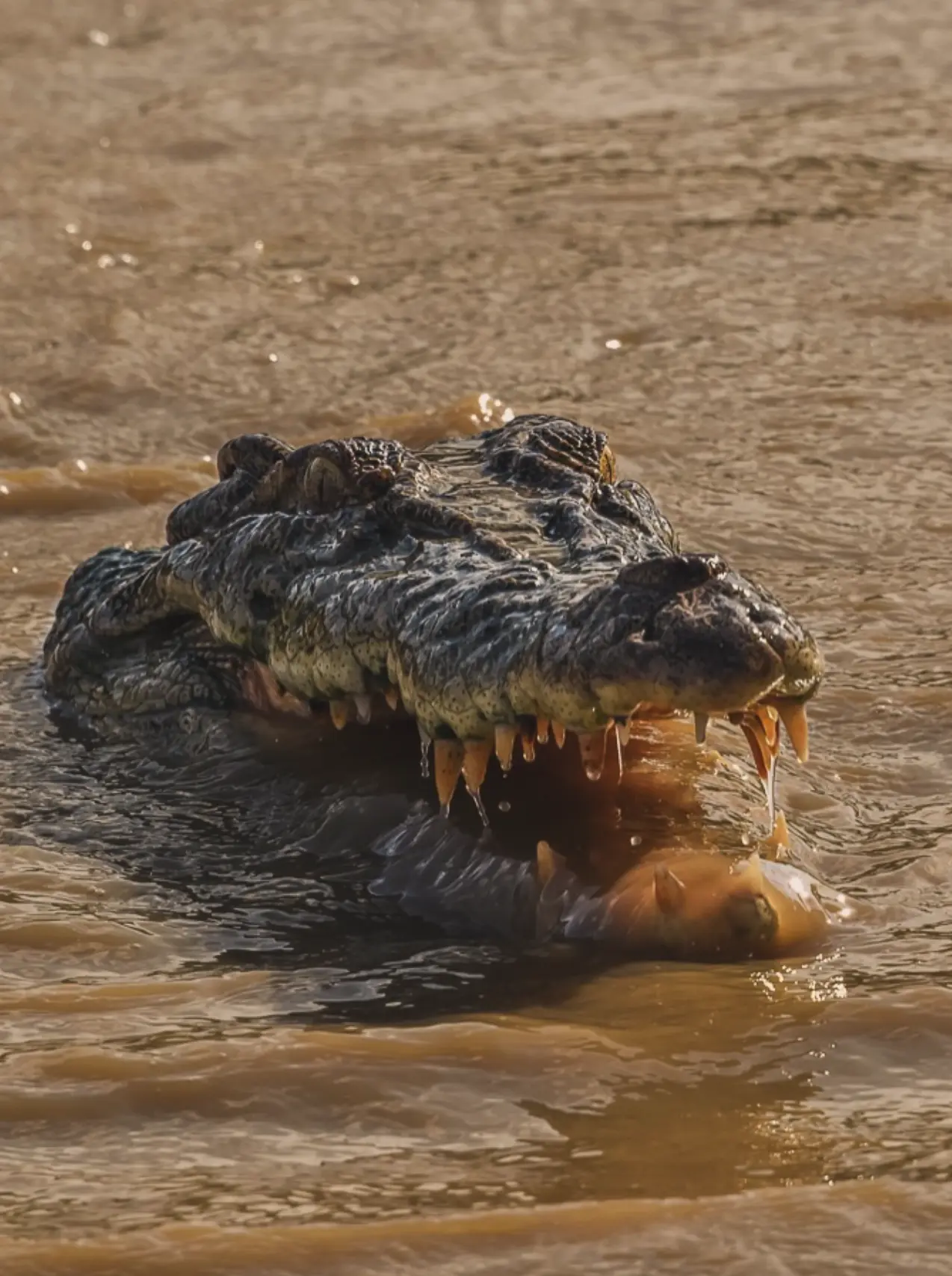
A saltwater crocodile (Crocodylus porosus) relies on stealth and patience to survive. Its natural diet is unpredictable, and that unpredictability keeps it cautious.
Once supplemental feeding enters the picture, you’ll notice patterns:
Crocs begin surfacing more frequently near boats
They hold position instead of roaming
They respond to human movement rather than natural cues
I’ve watched the same stretch of river over multiple seasons. Early dry season, crocs keep their distance. By peak tourist months, some individuals are noticeably more confident around boats. That’s conditioning, plain and simple.
What Catches Travellers Out
Most people assume crocs can “tell” the difference between a licensed operator and a random tinny. They can’t. Once a croc links movement on the water with food, it reacts to the stimulus — not the context.
That’s why tossing scraps from a bridge or leaving bait behind isn’t harmless. It creates a pattern the croc will follow long after you’ve driven off.
The Science Bit — Explained Without The Jargon
Crocodiles aren’t constantly hungry predators like people imagine. Their biology is built for efficiency, not frequent feeding.
Crocodile Energy Use And Feeding Reality
Crocodiles operate on low energy requirements. Their crocodile bioenergetics allow them to go long periods without food, meaning they don’t rely on human feeding at all.
When food supplementation happens:
It doesn’t significantly improve health
It doesn’t increase survival rates
It mainly changes behaviour and movement patterns
That’s why the science focuses less on nutrition and more on behavioural impact.
A Quick Global Comparison
Different species show similar responses in tourism environments, whether it’s Crocodylus acutus or Crocodylus moreletii. The details vary, but the pattern holds — feeding alters behaviour first, not biology.
Getting There, Timing & Common Mistakes
If you’re heading out for croc country, logistics are half the experience. This isn’t a casual stop — it needs a bit of planning.
Mostjumping croc tours darwin run along the Arnhem Highway, about 70 kilometres east of Darwin. The drive itself is straightforward — sealed road, flat terrain — but don’t underestimate the conditions. By mid-morning in the dry, it’s already pushing into uncomfortable heat, and shade is minimal at most launch points.
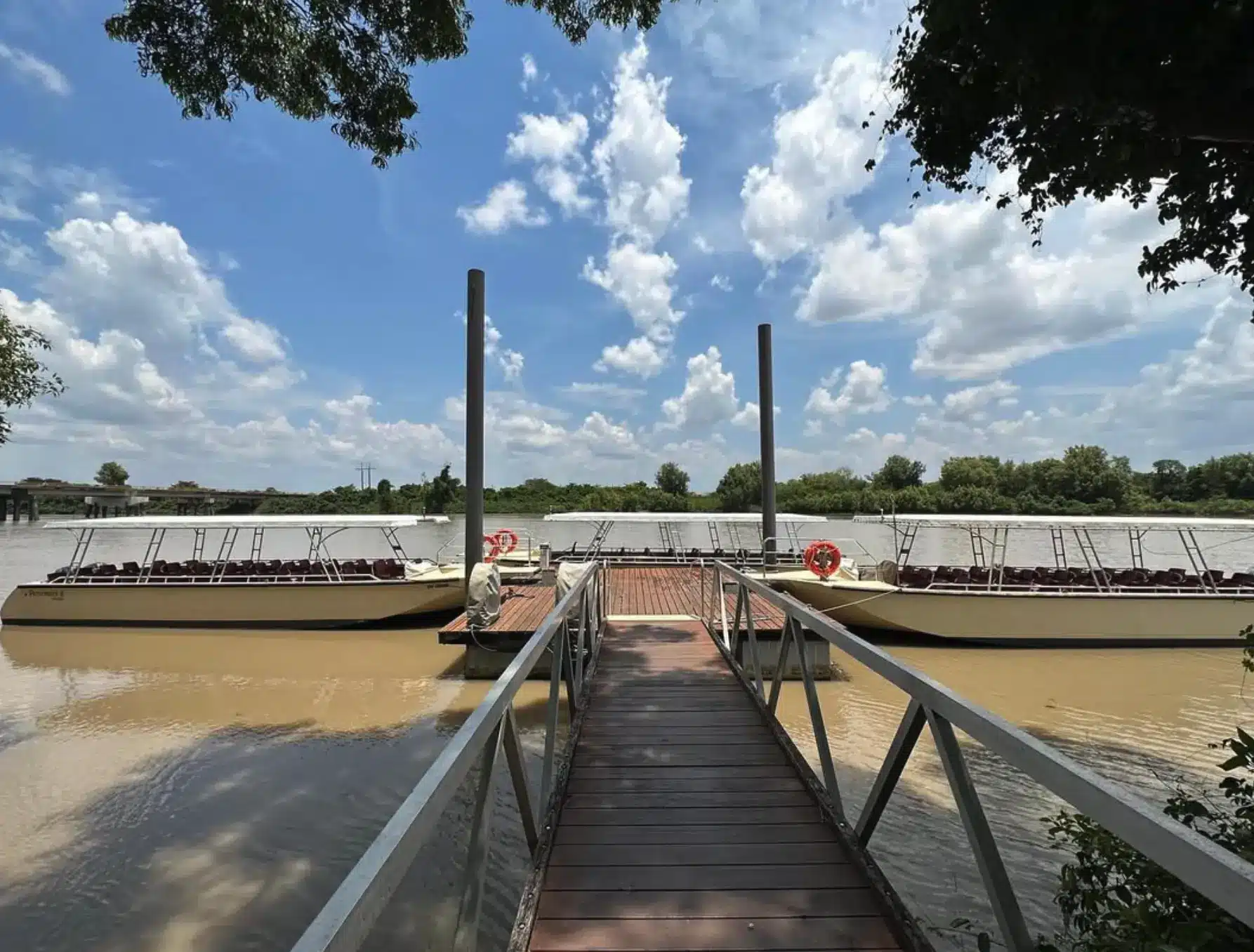
Parking is usually gravel, often exposed, and you’ll walk straight from your car to the dock. No big visitor centres, no air-con lounges — just you, the river, and whatever the weather’s throwing at you that day.
Timing-wise, allow half a day minimum. Between travel, waiting for your slot, and the tour itself, it’s rarely a quick in-and-out job. Wet season throws another curveball — road flooding and delays can easily double your expected travel time.
Costs You’ll Actually Encounter (No Guesswork)
You don’t need a massive budget, but it’s worth knowing where your money goes.
Item
Typical Cost (AUD)
Reality Check
Jumping Crocodile Cruise
$45–$90
Core experience cost
Fuel (Darwin return)
$20–$40
Depends on vehicle
Food & drinks
$15–$30
Limited availability
Guided transport tour
$120–$220
Includes pickups and commentary
Operators like Jumping Crocodile Cruise tend to sit in that mid-range bracket. You’re paying for experienced tour guides, proper safety handling, and compliance with practice guidelines — not just the spectacle.
What It’s Like On The Water — The Part You Can’t Fake
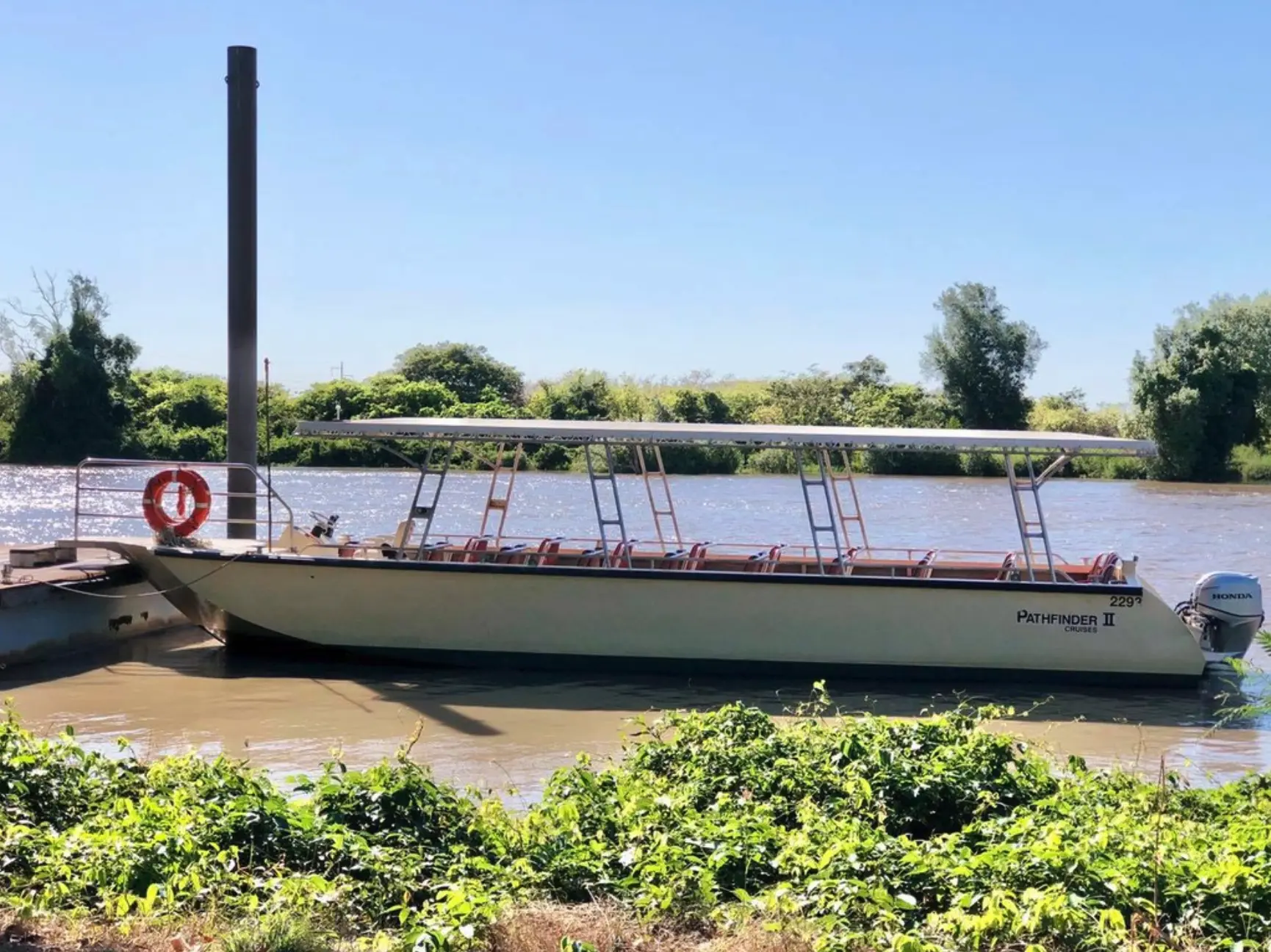
The first time I jumped on one of these boats, I expected something a bit theatrical. What I got instead was controlled tension.
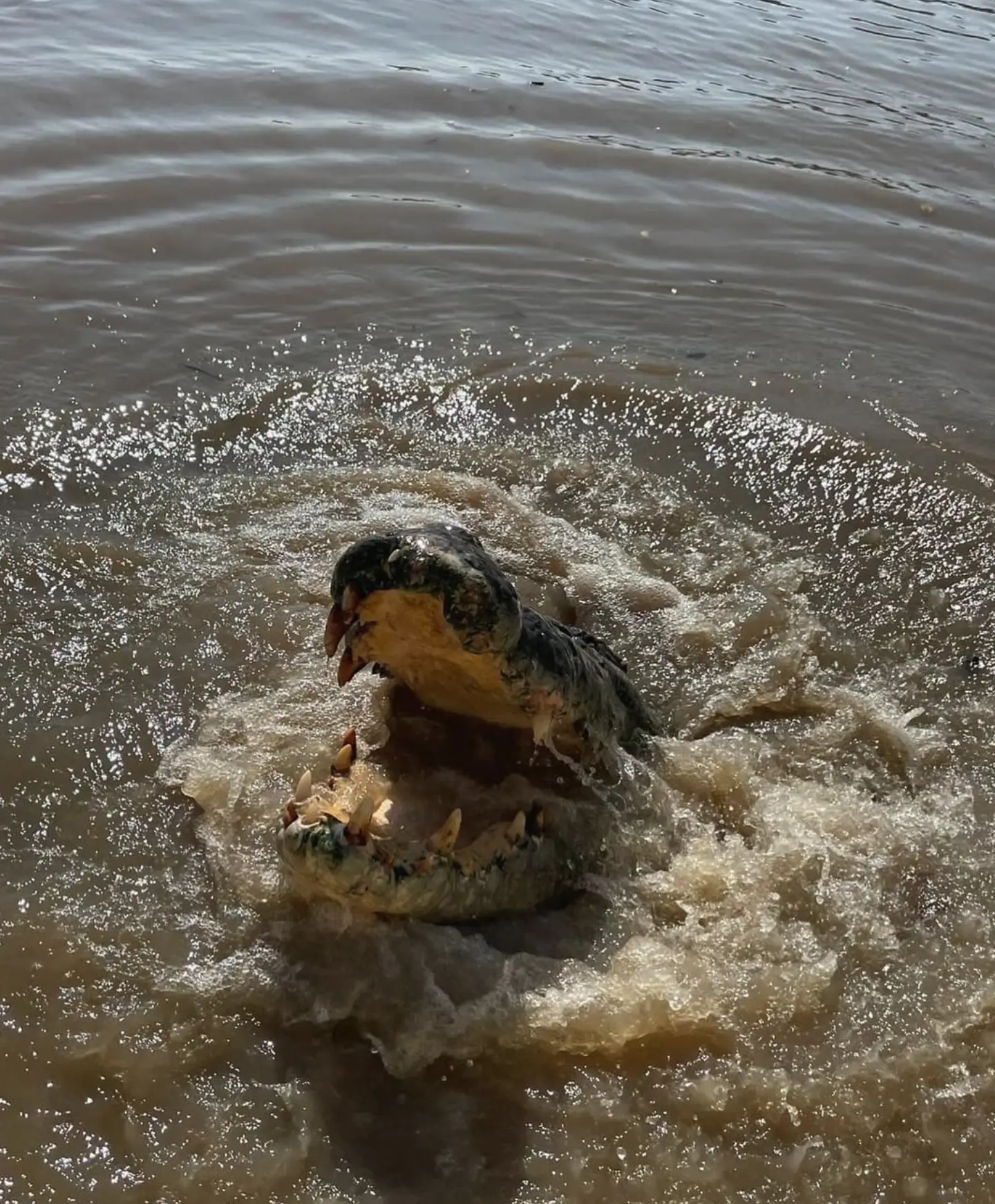
You drift quietly, engine barely ticking over. Then a ripple — subtle, easy to miss if you’re chatting. Next second, a four-metre croc launches vertically out of the water. No warning, no drama — just raw power.
What stood out wasn’t the jump. It was the guide’s reaction. Feeding stopped instantly when two crocs got too close. The boat repositioned without panic. Distance from the bank was maintained at all times.
That level of control is what keeps it safe. Without it, you’re in unpredictable territory very quickly.
Expectation Vs Reality
A lot of travellers roll in expecting a polished, predictable show. That’s not how this works.
Expectation tends to look like a clean, structured experience with guaranteed sightings and comfortable conditions. Reality is hotter, messier, and far less predictable. Some days the crocs are active, other days they’re barely visible. Weather, water levels, and timing all play a role.
And then there’s the environment itself — humidity that hits like a wall, mozzies that don’t take a break, and very little shelter once you’re out there.
That unpredictability is part of the experience, but it’s also what catches people off guard.
When Feeding Turns Into A Problem
Unregulated feeding — especially tossing food scraps or bait into waterways — is where things shift from tourism into risk.
Over time, crocs start associating human areas with food. You’ll see them near boat ramps, fishing spots, even close to waterfront homes. That’s when authorities step in and classify them as problem crocodiles.
From there, outcomes aren’t great. Relocation if possible, destruction if necessary. It’s a direct result of human behaviour, not the croc doing anything unnatural.
Under Northern Territory public legislation, feeding wild crocodiles is illegal. It’s enforced because of the impact on public safety and long-term ecosystem stability.
Who It’s For (And Who Should Skip It)
This isn’t a one-size-fits-all experience, and it’s better to be upfront about that.
It suits travellers who are comfortable in remote conditions, happy dealing with heat, and genuinely interested in wildlife tourism beyond a surface-level look. Families can enjoy it too, provided kids are old enough to follow instructions properly.
It’s not ideal if you’re expecting comfort, predictable outcomes, or easy access. Boat entry can be awkward, conditions are exposed, and there’s no buffer between you and the environment.
Seasonal Reality — Why Timing Changes Everything
Northern Australia runs on the wet and the dry, and that split defines your experience.
In the dry season, access is easy, crocs are easier to spot, and tours run consistently. It’s also when crowds peak, and conditions can get brutally hot by midday.
The wet season flips everything. Flooded roads, reduced access, and crocs spreading out over wider areas. You might still get a tour, but it won’t be the same experience.
This isn’t just about weather — it directly affects crocodile observation and overall safety.
Tourism, Conservation & Responsibility
When managed properly, croc tourism contributes to animal conservation and broader crocodile conservation efforts. It funds monitoring programs, supports educational outreach, and improves science communication around these animals.
It also shapes human perception. A good guide changes how you think about crocs — not as mindless threats, but as highly adapted predators that demand respect.
But that balance only holds if operators stick to strict practice guidelines and travellers follow the rules. Once shortcuts creep in, the system starts to break.
Respect The Croc — Or Else
Feeding crocodiles isn’t black and white — it’s about control, context, and intent.
In licensed settings like Jumping Crocodile Cruise, it can support education and safe wildlife viewing. Outside of that, it creates risk, disrupts ecosystems, and often leads to dead crocodiles.
After years on the ground, the pattern is consistent. Respect the animal, follow the rules, and you’ll get an experience that’s wild in the best way — not the dangerous kind.