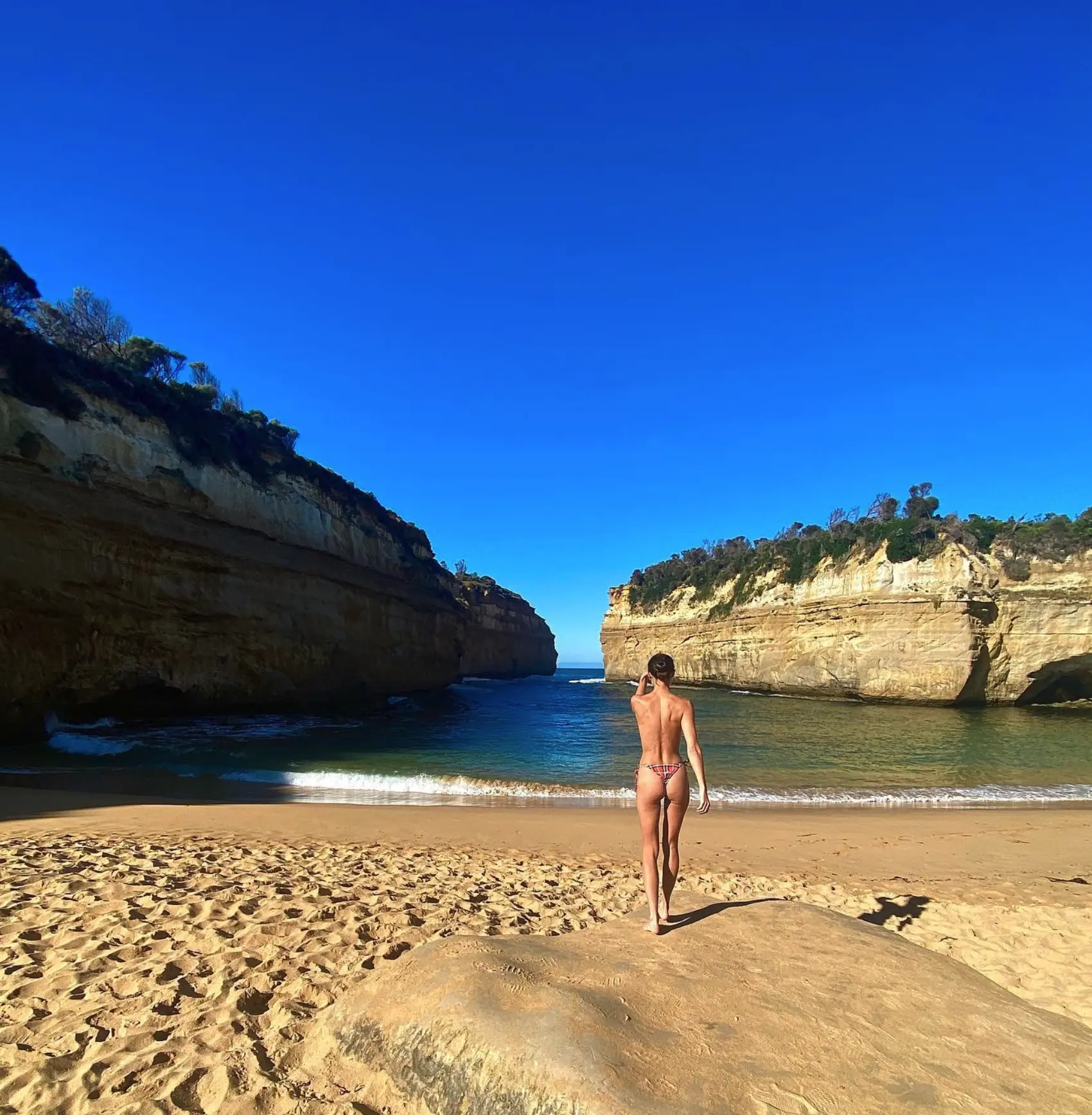
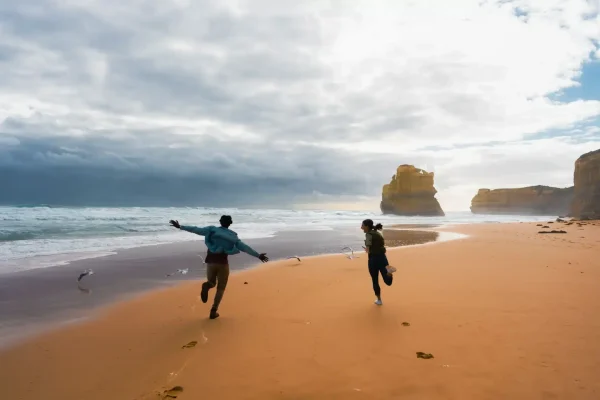
Is it safe to swim at Loch Ard Gorge? Short answer: not always – but sometimes – & only in very calm conditions, & even then, you really need to be on your toes. I’m Paul, & after years of guiding along the Great Ocean Road, I’ve seen this spot looking almost serene on glassy days, & on days when the ocean is just getting plain cranky.
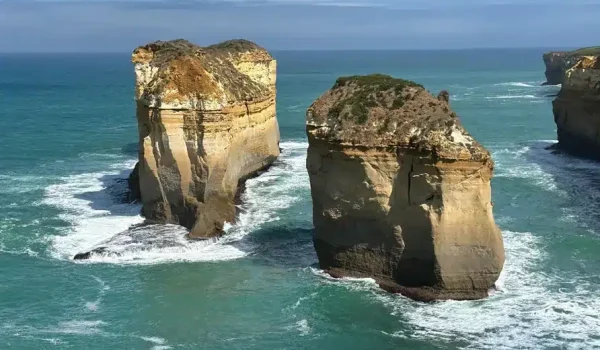
This stretch of the Shipwreck Coast near Port Campbell has got a great reputation for its dramatic beauty – massive sandstone cliffs, limestone stacks, and the Southern Ocean rolling in with a bit of a grumble. It’s one of those places that’s just itching to get you to take a dip – but it’s also a spot that catches a lot of people out.
If you’re travelling with operators like Great Ocean Road Tours Australia, you’ll probably hear the same thing I tell my own groups: don’t be fooled by how calmly the water looks – it’s not always as safe as it seems.
Table of Contents
Why The Gorge Feels Safe — And Why It Isn’t Always
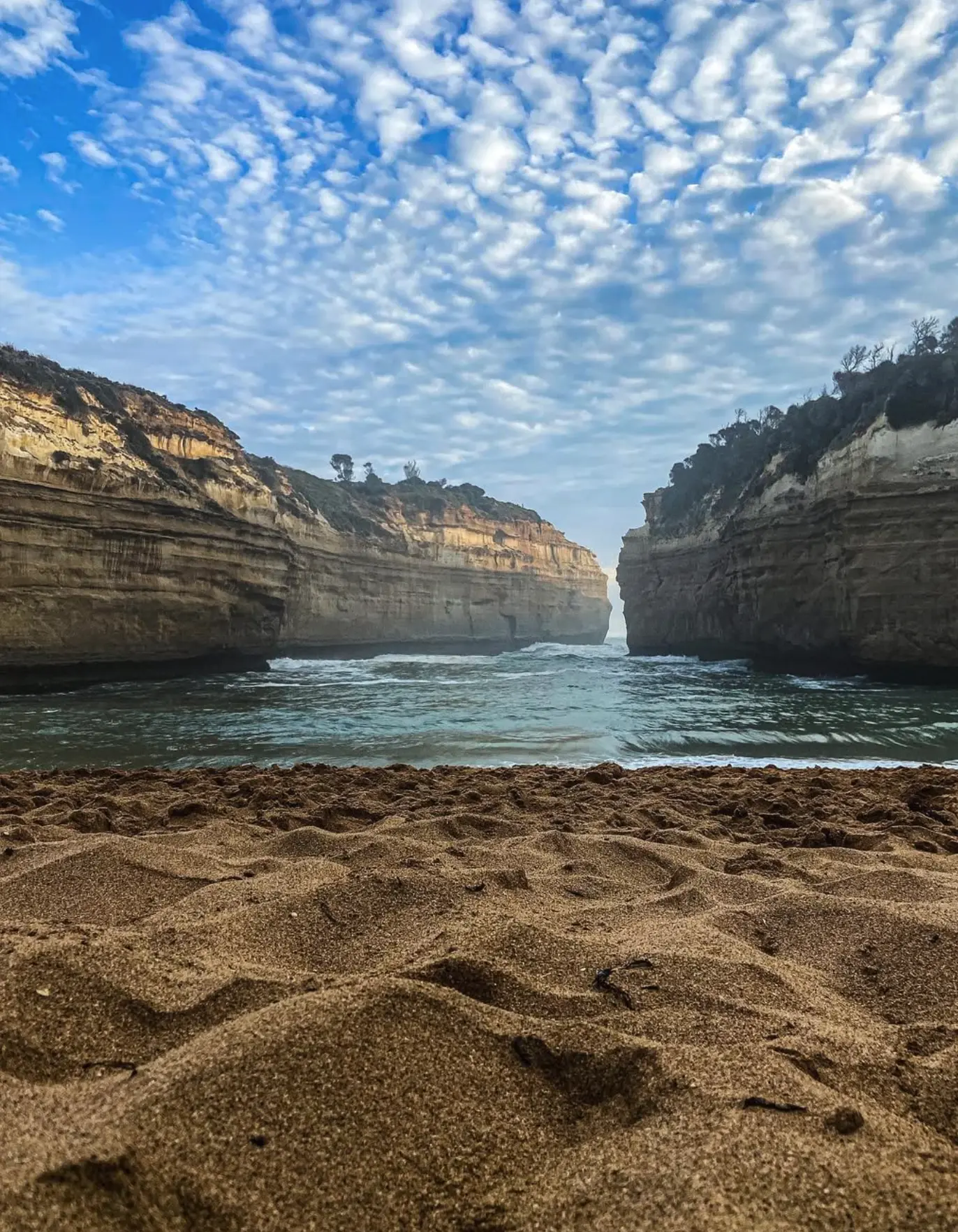
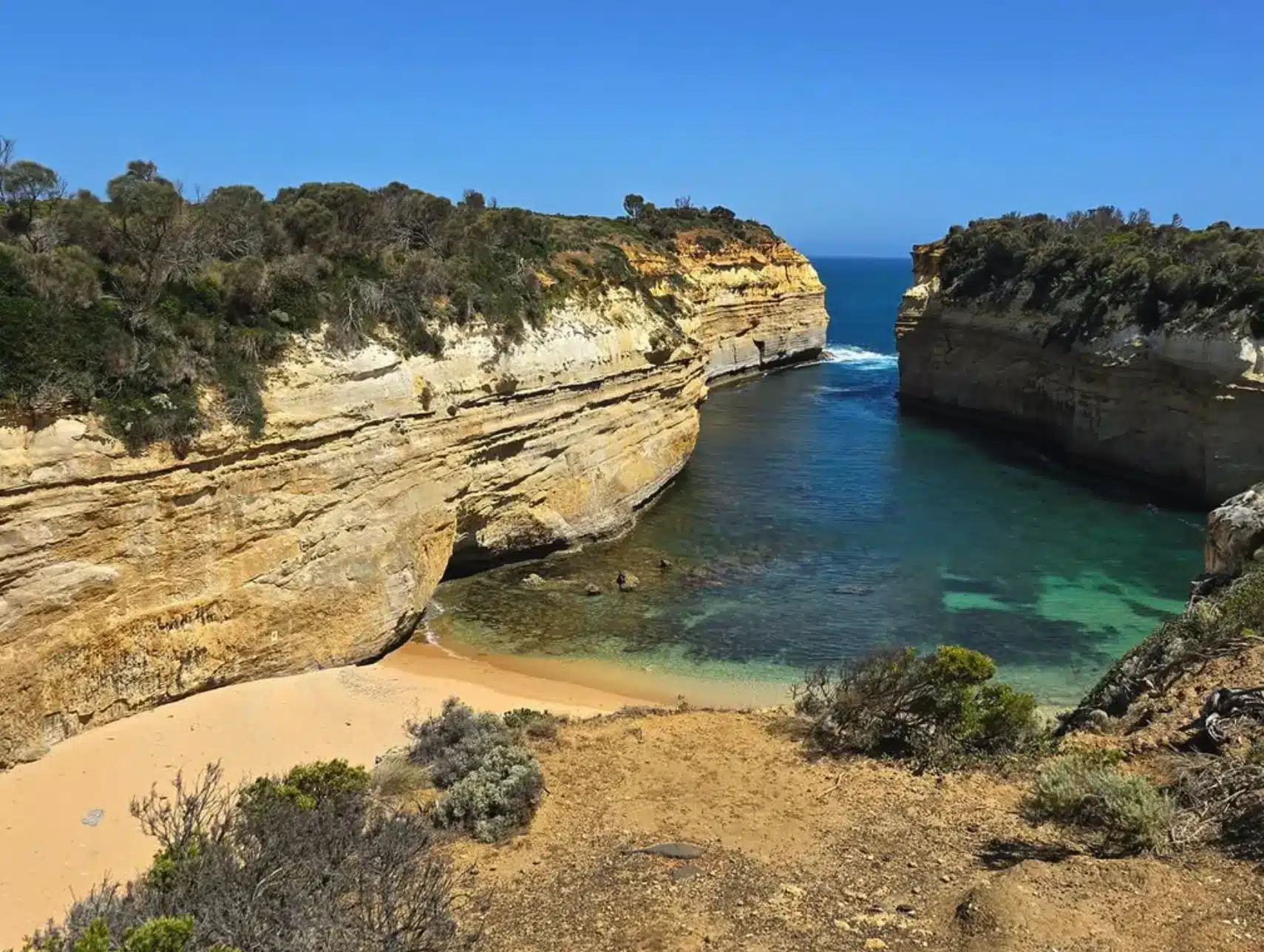
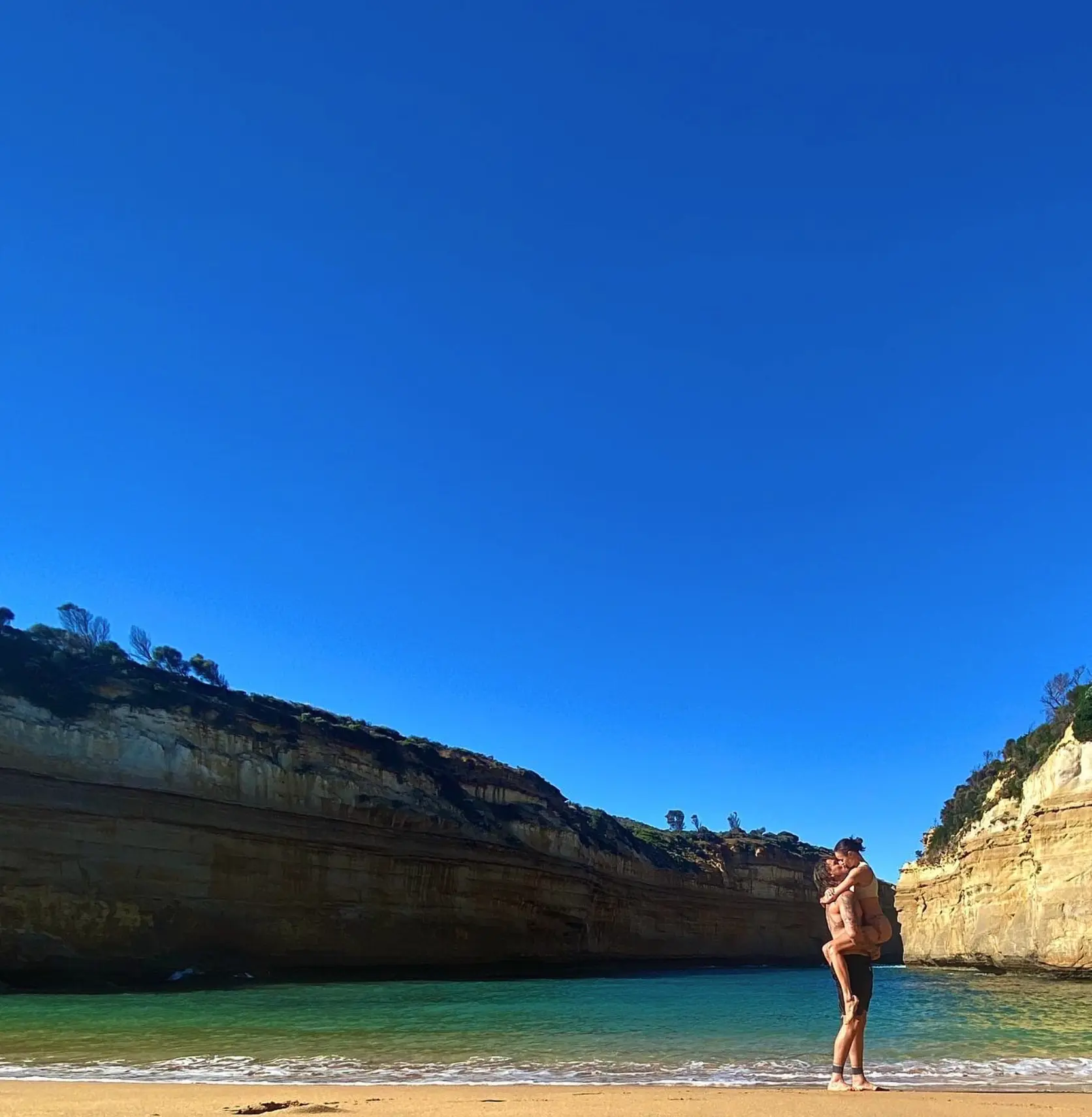
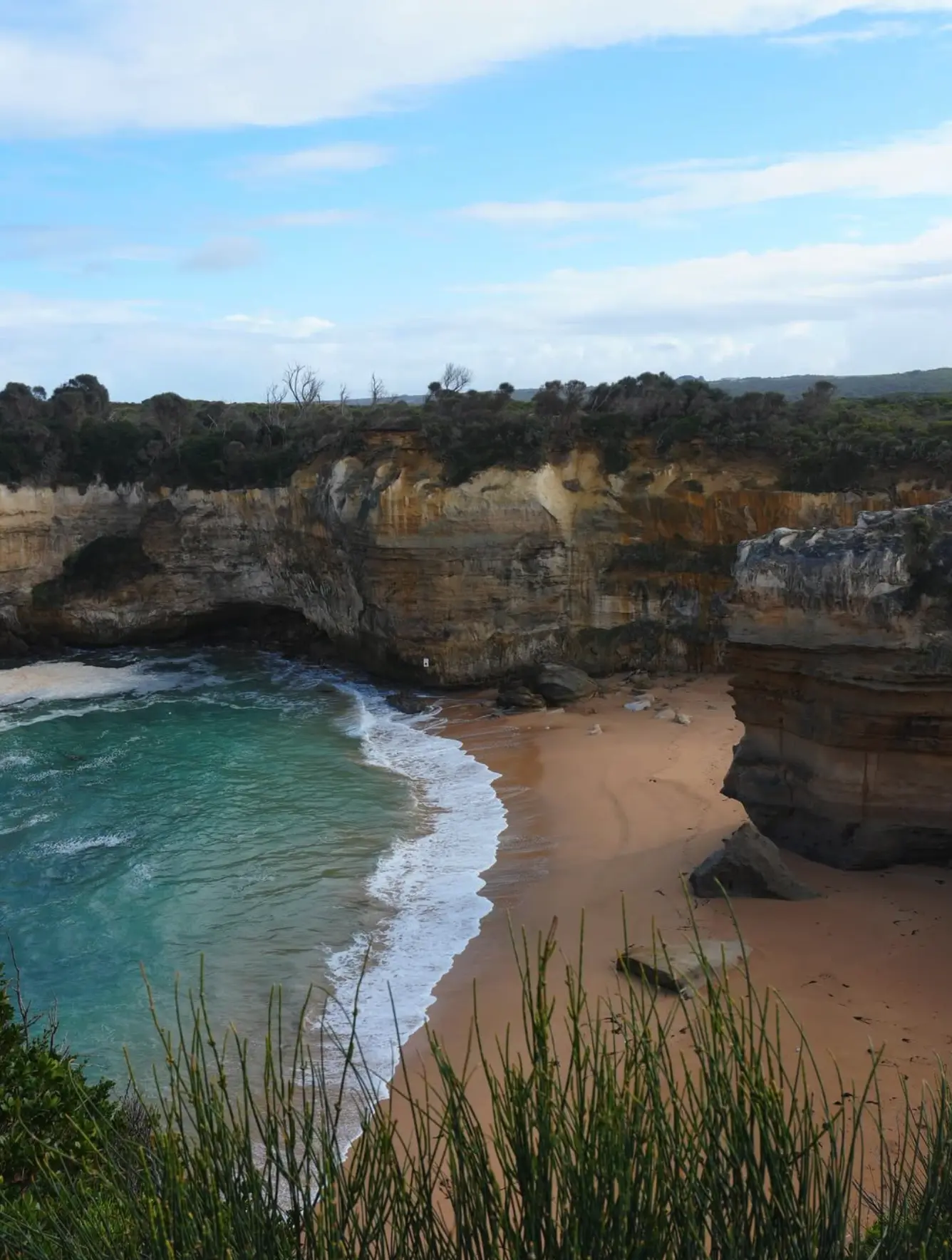
This incredible coastal gorge carved its way into the sandstone cliffs – from down on the sand, it can look like a quiet little pocket of water tucked away from the rest of the ocean. But that can be a bit misleading.
Swell can still push its way through the narrow opening, waves bounce off the rock faces, and the conditions can change without a moment’s warning. I’ve stood there on a still morning, only to see sets rolling in not long after – that’s just classic Shipwreck Coast weather, unpredictable and a bit rough around the edges to say the least.
Key Safety Risks You Need To Understand First
Before you even think about getting in the water, take a moment to read the place properly. This isn’t just a surf beach with a flag up – it’s a dynamic, ever-changing environment that’s shaped by the weather and erosion.
The main issues come down to a nasty mix of ocean power & cliff instability. You’re dealing with cold water, moving swell & constantly changing cliffs – that’s what makes this place so really high-risk.
A swell can just build up inside the cove out of nowhere
Rip currents can form even when the surface looks perfectly calm
Water temperatures are cold all year round (around 14 – 18°C)
The area is completely unpatrolled – no lifeguards, no flags
The cliff faces show signs of erosion, and it’s unstable
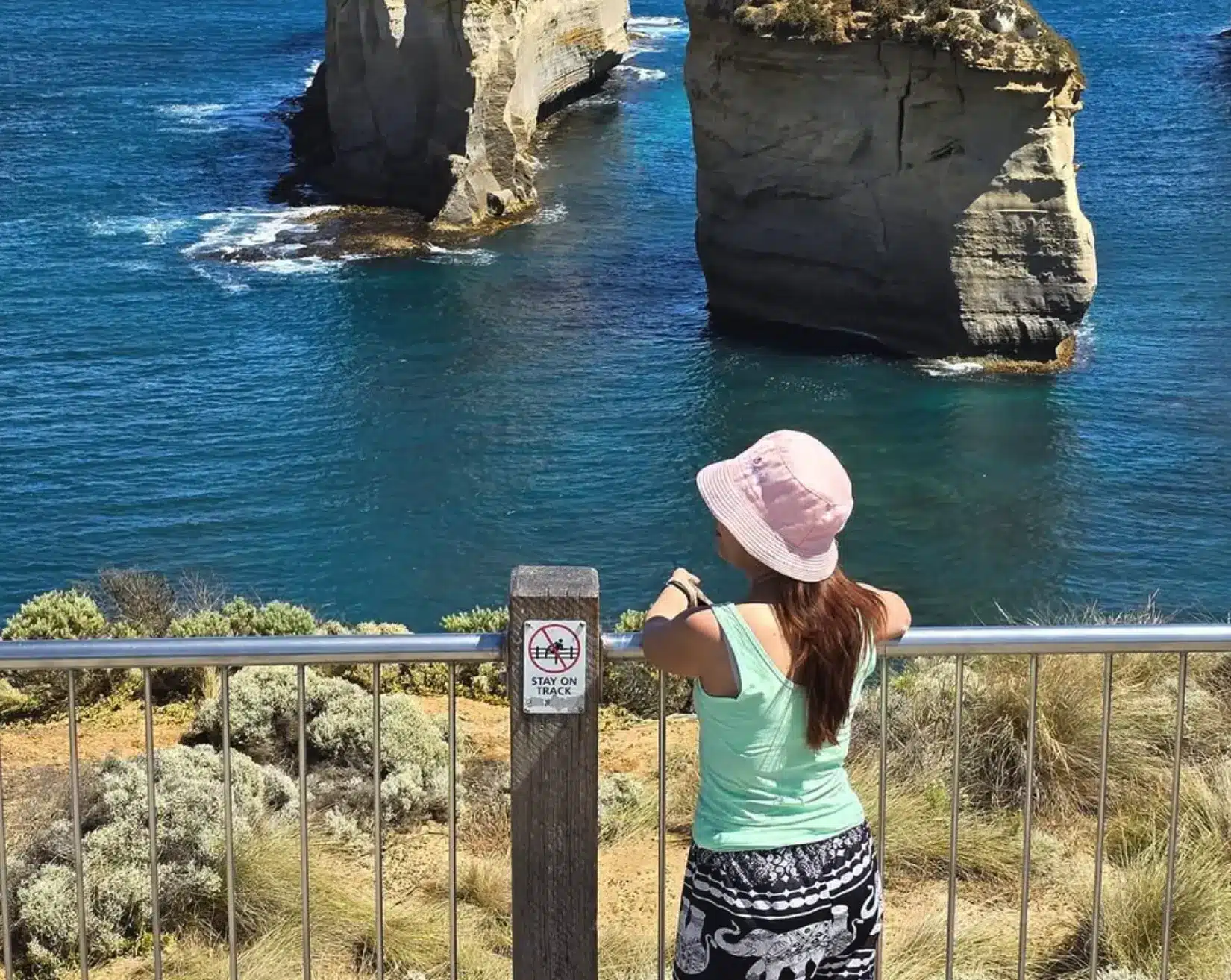
Authorities like Parks Victoria and the Great Ocean Road Coast and Parks Authority do their best to manage the area with fencing and safety signs. That’s not overkill – it’s based on real incidents and ongoing geotechnical inspection.
According to Royal Life Saving Australia, more than half of coastal drownings occur at unpatrolled sites. And places like this are right up there in that category.
Conditions That Make A Swim More Viable
There are days when the ocean settles down, and a dip is possible – but only if you’re paying close attention and you know what you’re looking at.
What To Look For
Swell under 1 metre
Calm, steady water with no strong surges
Light wind and stable weather
Clear visibility in the water
You’re a pretty confident swimmer with some ocean experience
If any of that doesn’t seem right, just walk away. This coastline – from the Twelve Apostles to Gibson Steps – can change its mood in an instant.
Quick Water Condition Check Before You Commit
Factor
Safer Indicator
Risk Indicator
Swell
Low and steady
Large or building
Water Surface
Smooth
Choppy or surging
Clarity
Clear
Murky or foamy
Wind
Calm
Gusty coastal winds
Cliff Edges
Dry and stable
Crumbling or wet
Take a few minutes to assess this properly. It’s time well spent.
Common Mistakes Visitors Make Here
Most of the problems you’ll experience here aren’t due to bad luck, but rather making some pretty hasty assumptions.
People come along, see the water looking calm and decide straight away that it’s safe to go for a dip. That’s probably the biggest mistake of all. This coastline has a history of catching people off guard – take the famous Loch Ard shipwreck, for instance.
The story of Tom Pearce and Eva Carmichael gets told a lot as a survival story – but it’s also a reminder of how unpredictable this coast has always been.
What usually catches travellers out is pretty simple: they don’t hang around long enough to get a read on the water, and they assume that just because you’re behind a gorge, the ocean isn’t going to be a problem. And just by the way – it isn’t.
Practical Advice I Share On Tour
When I’m running trips along this coast – particularly with visitors on Great Ocean Road tours from Melbourne – I keep things pretty basic and to the point.
My Safety Go-To Approach
Take a good 10 to 15 minutes to watch the water
Never swim alone – it’s just common sense
Keep the water’s edge within a few metres
Make sure you know exactly how you’ll get out of the water
Respect the signs, barriers and fencing – don’t take risks
I’ve seen people ignore these basic rules just to grab a photo or have a quick splash. And I’ve got to say, it doesn’t usually end well – even if it doesn’t turn into a full-blown emergency.
Where You’ll Enjoy A Safer Swim Nearby
If you do want actually to swim, not just test the water, then you’re in luck – there are much better options nearby.
Places like Apollo Bay, Johanna Beach and Princetown Beach have got more space, more predictable conditions and in some cases, safer access.
Visitors with Great Ocean Road Tours Australia often end up having a more relaxed time at these spots – you can just chill instead of constantly watching the swell.
Seasonal Patterns That Affect Water Conditions
Timing has a big impact on how this place behaves.
Summer: It’s the calmest overall, but the water’s still icy cold.
Autumn: It’s often pretty stable and less crowded.
Winter: Forget it – the seas are rough and the winds are wild.
Spring: Be warned, conditions can be all over the place.
If it’s a gale blowing and the swell’s up, then it’s probably best to give it a miss – simple as.
Respecting Country And Coastal Conditions
This stretch of coast sits on land with a rich cultural history – and that’s represented today by people like the Eastern Maar Aboriginal Corporation.
Stay on the marked tracks, respect the signs and try not to go anywhere near unstable areas – these cliffs are eroding fast, not just pretty scenery.
Final Thoughts From Paul — Swim Smart Or Sit It Out
Loch Ard Gorge, right along the Great Ocean Road, is one of those real showstoppers – where land and ocean slap up against each other in a wild, dramatic way.
Can you swim here? Well, yes, from time to time, but only when the conditions are fine.
Should you swim here? Don’t bother unless the conditions are just right and you’re totally confident in your swimming chops.
Well, there’s a wave rebound off the cliffs, hidden rips, and a lot of swell that gets funnelled in through a narrow gap – all of these combine to make it a bit of a risk.
No, definitely not the place to come if you’re not very confident in the water. This is a spot for people who’ve got some experience and know the score.