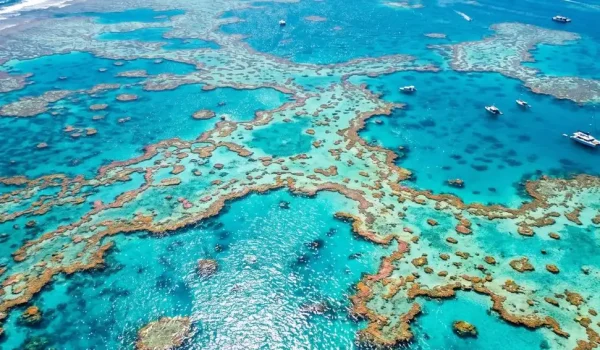
Are There Any ‘Glamping’ Style Stays On The Great Barrier Reef Or Coral Cays?
Are there any ‘glamping‘ style stays actually located right on the reef or a coral cay? Yes – there are a few, but be warned – they’re few and far between, pretty tightly controlled, and definitely not for those who like a lot of frills.
I’m Paul, been guiding travellers through the Tropical Queensland region for years and running heaps of Great Barrier Reef tour itineraries, and from that I can tell you this: if you want to sleep on a coral cay, you’re gonna have to give up some comfort for access – but trust me, it’s well worth it.
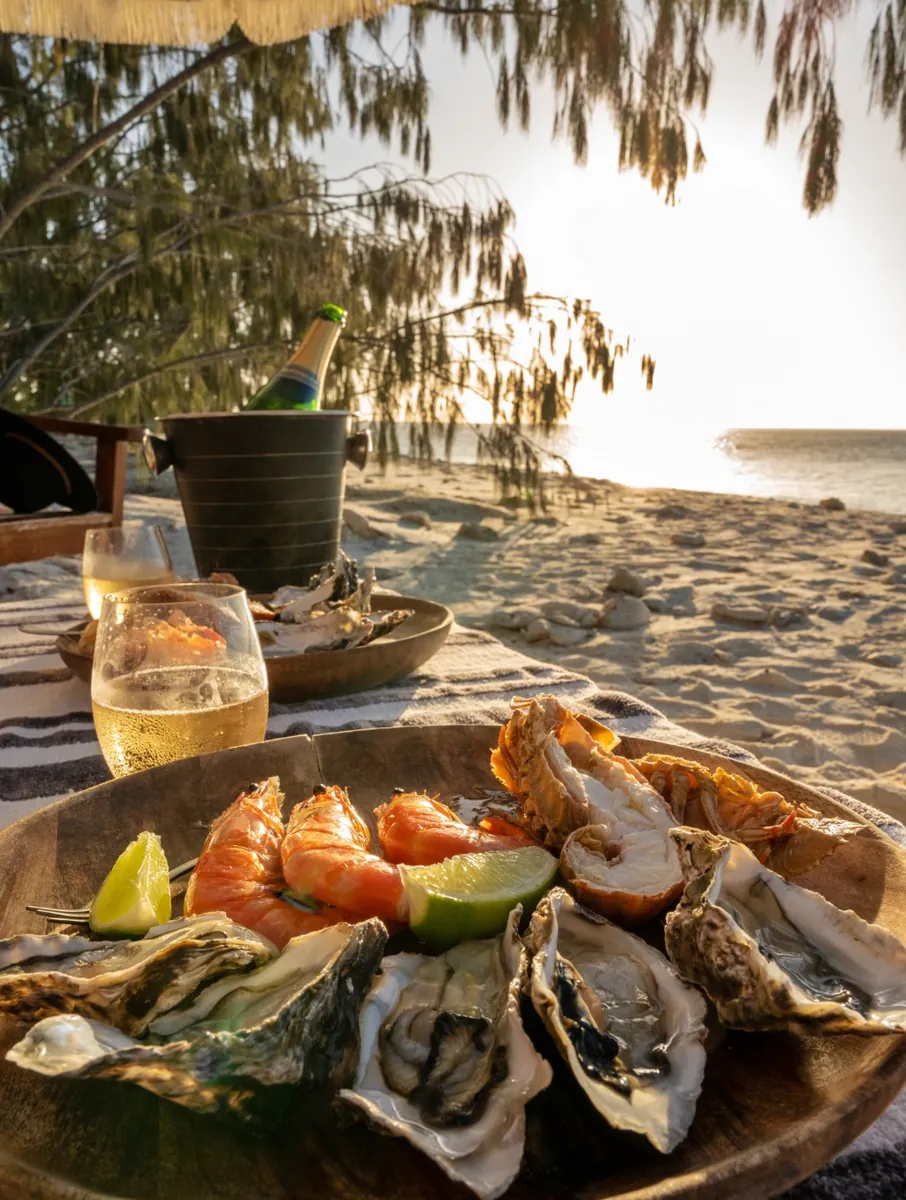
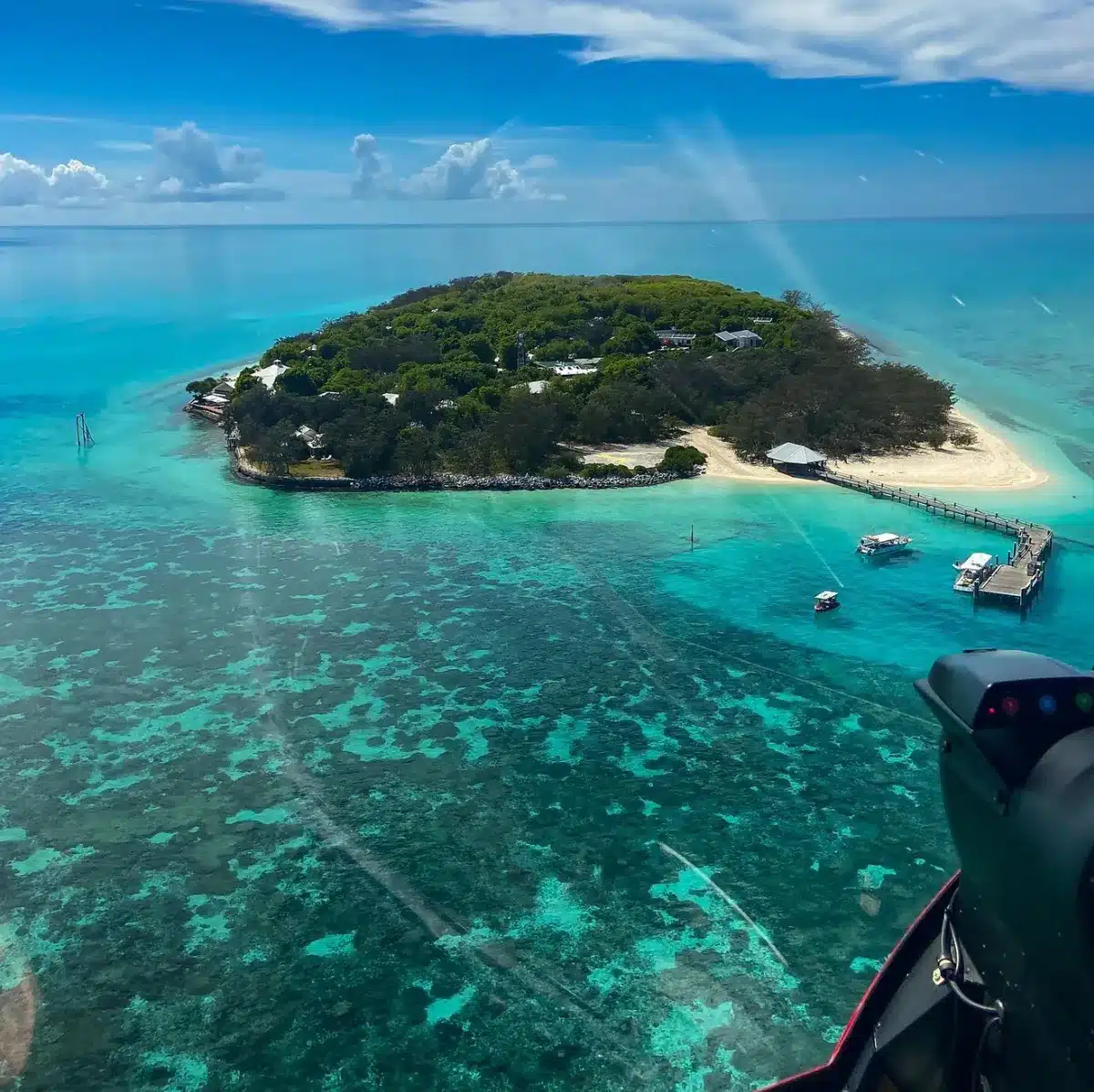
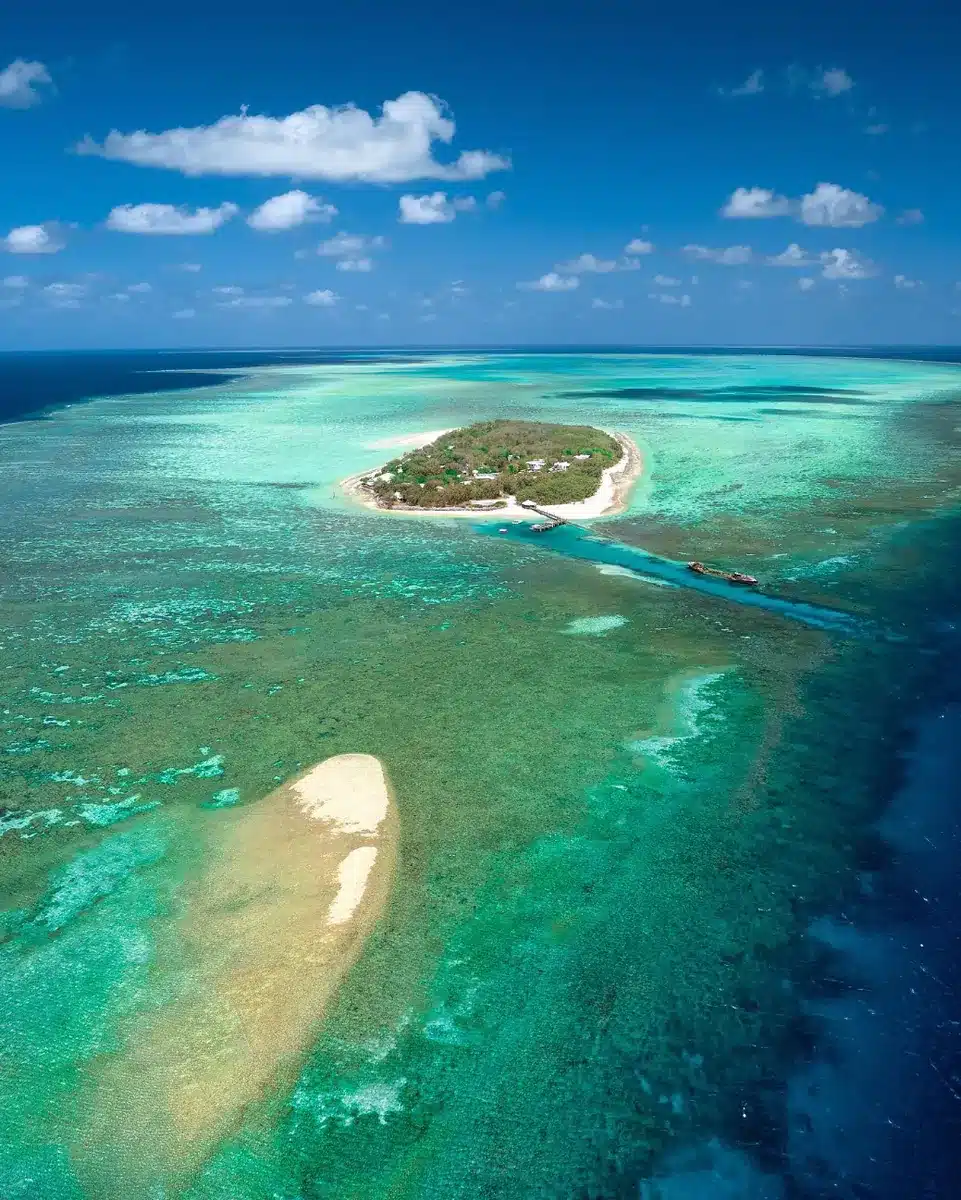
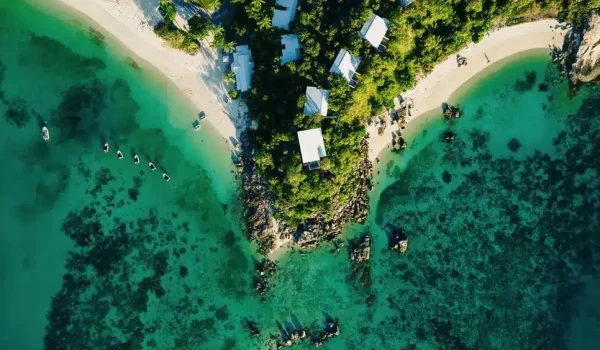
You can actually get proper stays on islands like Lady Musgrave Island, Lady Elliot Island, Wilson Island, and Heron Island. Some have gone for the whole safari tent vibe, others have settled for eco cabins, but all of them put you right on top of the reef action – not just stuck on a boat looking at it.
Table of Contents
What Reef Glamping Really Feels Like
Most people hear “glamping” and they think soft beds, peaceful nights, a cold drink waiting for them. The reality is a whole lot more honest. It’s stinking hot, windy, and the reef doesn’t care if you had a rubbish night’s sleep.
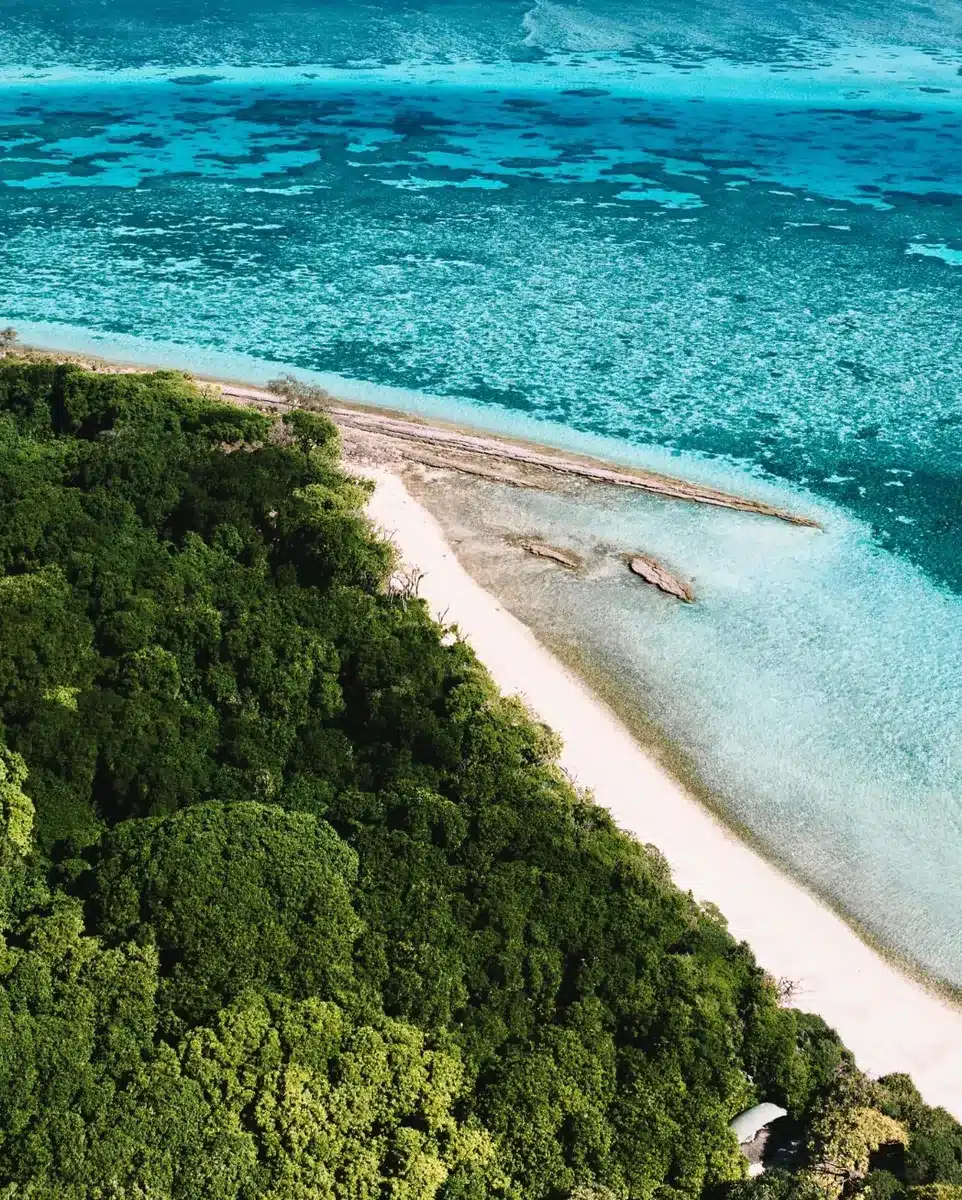
When I first stayed near Lady Musgrave, I totally underestimated how bare a coral cay can be. No hills, no shelter from the wind – just sand, reef, and whatever weather comes rolling in off the Coral Sea. In the dead of night, the wind suddenly picks up, the tent’s flapping around, and I remember thinking, “Oi, this isn’t a resort, this is the real deal.” And by sunrise, though, the water’s as glassy as you like, reef is glowing under the surface, and there’s not another soul around. That’s the trade-off.
Expectation vs Reality
This is where the trip can either make or break you. Travellers arrive thinking they’re gonna get some polished, put-together experience, but what they get is something that’s raw, unvarnished – and way more exciting.
Expectation
Reality
“Luxury glamping tent”
Upgraded camping or eco setup
“Still tropical nights”
Wind, humidity, and noise are common
“Easy logistics”
Weather delays are normal
“Resort dining”
Simple meals or pre-arranged catering
What most people get wrong about this is assuming it’s just glamping with a fancy twist. It’s anything but – this is a controlled wilderness experience.
Where To Go & How To Get There
Southern Reef Cays (Best For Proper Reef Experiences)
Most of the real coral cay stays are off the southern reef, and they’re all accessed via Bundaberg.
Lady Musgrave Island is one of those places, and you leave from the Bundaberg Port Marina. Boats like the Reef Empress do the trip out to the island, and on a calm day its about 2-3 hours each way. Add a bit of wind or swell, and you can be looking at a 4-hour trip. If you’re planning to drive down, get there early in peak season – I’ve seen people miss their departure because they turned up with seconds to spare.
Lady Elliot Island is a different story altogether – you fly in. A small plane, about 40 minutes from Bundaberg or Hervey Bay. Sounds easy, but there’s a catch – if the wind picks up, the flights stop. I’ve had groups stuck for an extra day waiting for the weather to calm back down. Not a bad place to be stuck, but you definitely need to be flexible.
Central Reef Option (Still Proper Reef Experience, But A Bit Easier)
Heron Island is a bit of a sweet spot – you can get there by boat from Gladstone in about two hours, or by helicopter if the budget stretches that far. Once you’re there, the reef is right off the beach – places like Wistari Reef are doable without needing to charter a boat.
This is often where we send people doing great barrier reef trips who want the experience without going all out on the rough stuff.
Northern Access Points (More Comfort, Less Wilderness)
Up in Port Douglas and Tropical North Queensland, it all gets a bit easier, but the vibe changes.
You’ve got places like Lizard Island Resort – stunning, remote and very posh indeed. Then there are places like Fitzroy Island and Green Island, with resorts such as Fitzroy Island Resort and Green Island Resort. Easy ferry access, but it’s a bit of a day-tripper vibe rather than the real Cay experience.
The Cost (Because This Aint No Budget Adventure)
Let’s get real – this isn’t a cheap trip. Most great barrier reef trips that involve overnight stays will tap out well above your average coastal trip.
Category
Typical Cost (AUD)
Notes
Boat transfers
$220–$350 return
Weather dependent
Flights to the reef islands
$350–$500 return
Limited schedules
Coral Cay camping
$120–$250/night
Basic facilities
Eco island stays
$400–$800/night
Meals often included
Food & extras
$50–$150/day
Depends on setup
Once you factor everything in, a reef stay can be a pretty pricey affair – I’m talking $800 to $2,000 per person for a short stint.
Timing Your Trip (Watch This)
Season here isn’t just about temperature – it’s also about whether you’ll even get to the reef.
Dry season (May to October) is your safest bet – calmer seas, better visibility, easier transfers. Wet season (November to April) is a whole different ball game – Cyclones, rough crossings, and its own special brand of humidity can turn a trip upside down in no time.
I’ve seen people book a trip on a whim during the wet season, just based on price – only to spend half their trip waiting for the weather to clear up. It might seem like a good deal upfront, but it can end up being super frustrating.
Reality Check
To be honest, you don’t need to be some kind of athlete – but you do need to be a bit tough.
Knowing how to swim makes a big difference – even if you’re just snorkelling, you’re still dealing with open ocean. Tides come in and out pretty fast, currents can pick up when you least expect it, and the reef access keeps changing all day long.
And then there’s the heat, which is easy to underestimate if you don’t have experience with it. On a coral cay, shade is pretty limited. I’ve seen people get blown out by midday because they didn’t pace themselves or drink enough water.
And let’s not forget the reef itself – sharp coral underfoot, changing conditions and wildlife doing its own thing. It’s not anything out of the ordinary if you treat it with respect – but it’s not something you want to take lightly, by any means.
Quick Decisions To Help You Figure Things Out
If you’ve got limited time or are still on the fence about this whole thing, here’s the lowdown.
If you only have one day, just forget about an overnight stay. Hang out in Port Douglas or Cairns and do a guided day trip – you’ll see plenty without all the hassle.
If you really want to see the best the reef has to offer, try the southern reef cays like Lady Musgrave or Lady Elliot – they’ve got better coral and fewer tourists.
If you’re not comfortable in the water or need a lot of reassurance, this probably isn’t the trip for you.
What Makes It Worth It
The moment most people remember isn’t when they first get there – it’s what happens once everyone else leaves.
I was running a group through a long day of reef trips near Lady Musgrave one time, and the last boat finally pulled away. Everything went quiet – no engines, no chatter – just the water moving gently under the pontoon and the sky lighting up. That’s the difference – you’re not just visiting the reef. You’re a part of it.
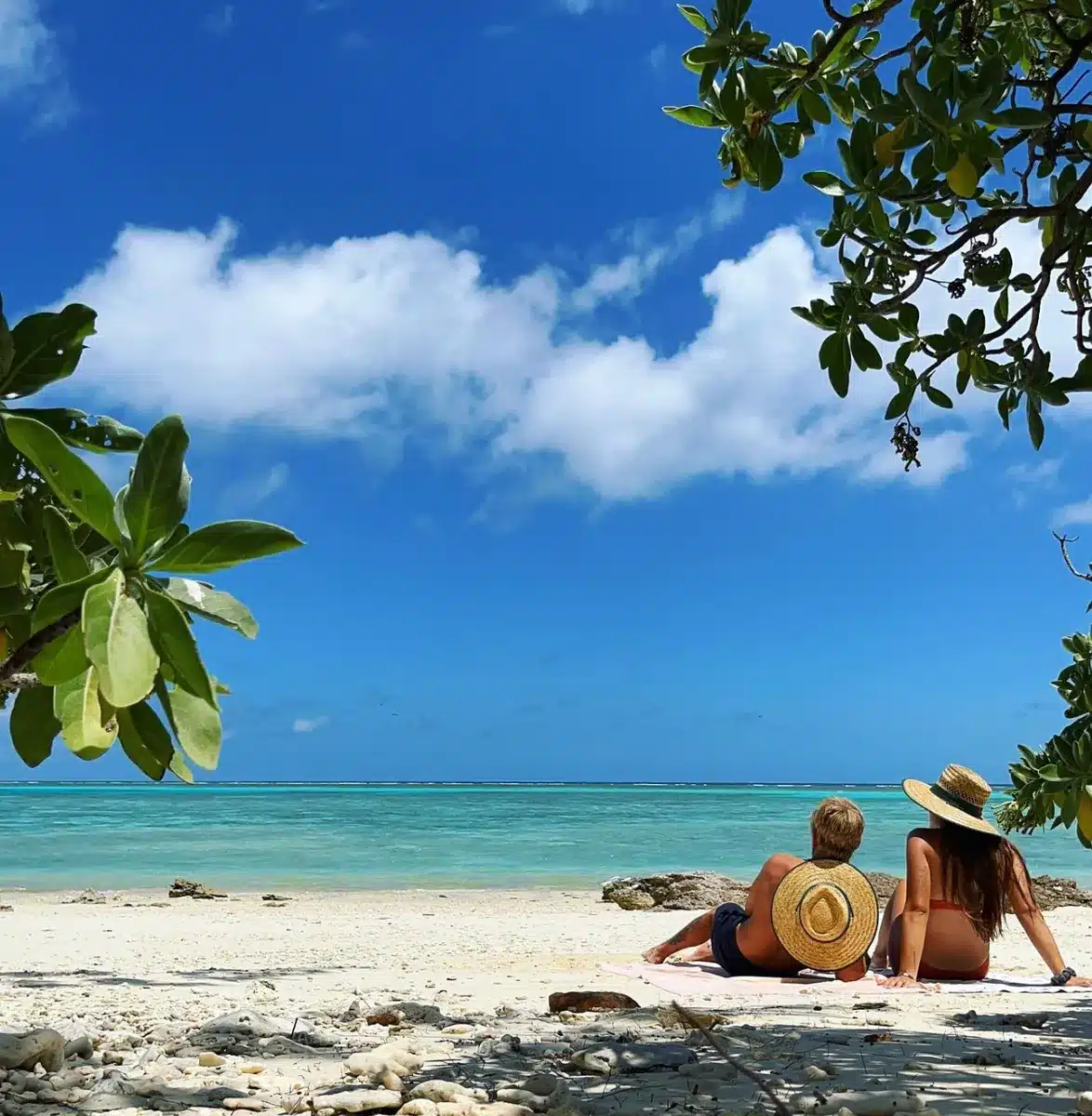
You notice all these little things when you’re there longer – early morning reef flats, fish feeding at dusk, the way the colours change as the sun drops. Those are the things that make the whole thing worthwhile.
Who This is For
This sort of trip is suited to adventurers who like to keep things fresh, don’t mind getting their hands dirty, and aren’t afraid to challenge themselves a bit. If you’re into the great outdoors, don’t mind a bit of sweat and toil, and actually want to get up close & personal with the marine life, then you’re gonna love it.
If, on the other hand, you’re on the hunt for some reliable comfort and a nice, predictable beach holiday with all the trimmings, or if you’re looking for that resort-style ease, then maybe stick to Tropical Queensland or somewhere like Hamilton Island – there’s no shame in that, it’s just a different kind of trip altogether.
It’s Not Easy — That’s The Point
This isn’t about ticking a box and pretending you’ve done it, it’s about getting out there and really immersing yourself in the environment – a place that’s got its own rhythm and its own rules.
You’ll have to deal with the weather, with organisation, and yes, you’ll have to put up with a bit of discomfort. But on the flip side, you’ll get access to bits of the reef that the vast majority of travellers never even get to see.
Just be prepared, be flexible, and treat it with a bit of respect, and this is a trip you’ll be talking about for a long time after the salt’s washed off.
If value access and experience over having a few luxuries, then yes, it’s absolutely worth it. If you’re looking for a more indulgent experience, stick to day trips.