Inner vs Outer Reef in Winter: What Is the Real Difference in Marine Life Density?
What’s the actual difference in marine life density between an inner reef tour and an outer reef tour during the winter months? The honest truth is – outer reef sites on the Great Barrier Reef pull out all the stops when it comes to visible marine life density in winter. That’s a significant difference – the contrast between catching a glimpse of a few scattered fish and driving through a reef ecosystem in full swing.
I’m Paul, and after years of running tours out of places like the Whitsundays, I’ve seen this same pattern time and again. Winters (June to August) sharpen up the experience – clearer water, more stable conditions, and a bigger array of marine biodiversity. But here’s the catch – people often get caught out: location is way more important than the season. Inner reefs give you a little taster. Outer reefs give you the whole feast.
Table of Contents
Offshore Reefs Thrive In Winter
Winter strips away a whole bunch of the variables – less rain, less sediment, and cleaner water. That’s when the real differences between reef zones start to show themselves.
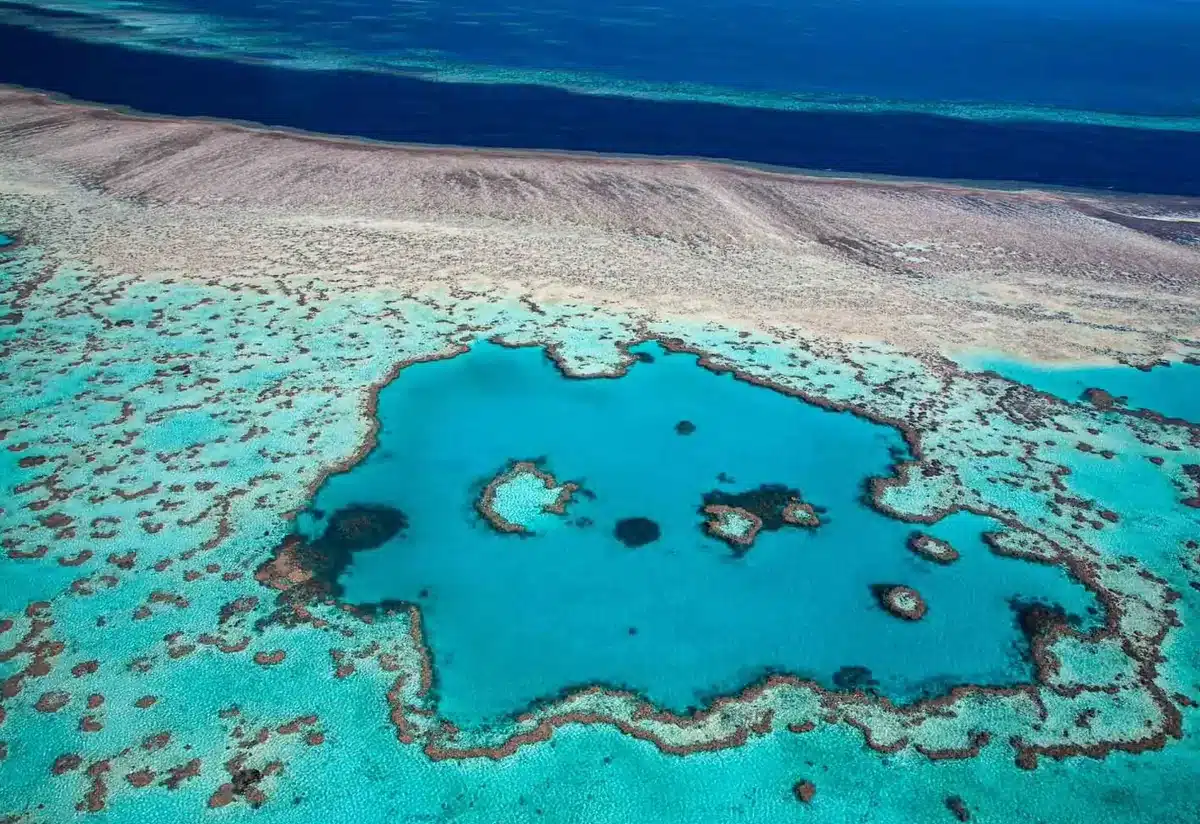
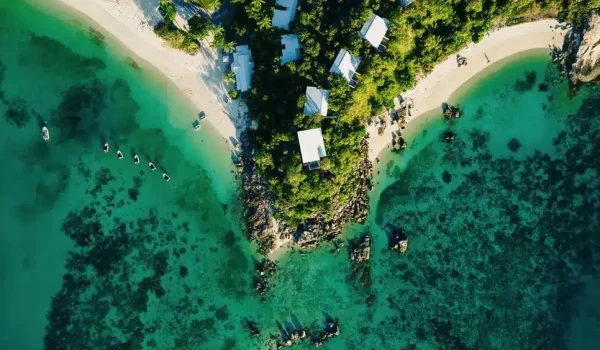
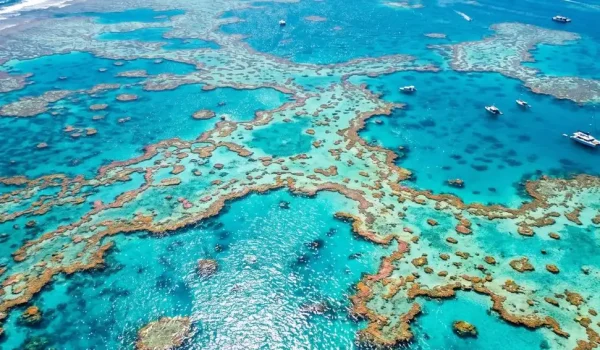
Inner reefs – also known as Inner Fringing Reefs – are stuck closer to land and take a beating from runoff and shifting conditions. Outer reef systems, out near places like Bait Reef and Hardy Reef, get cleaner, more stable water where coral can really thrive. These reefs have been built over centuries by coral polyps laying down calcium carbonate, creating complex structures that support many more marine species.
Out in the blue, you also get consistent currents and nutrient upwelling. That mix feeds planktonic algae, which in turn feed the entire marine food chain. With more food in the system comes more fish, more predators, and more action when you take the plunge.
What You See Underwater
This is the part where travellers either get gobsmacked – or quietly underwhelmed.
Feature
Inner Reefs (Winter)
Outer Reef Sites (Winter)
Visibility
5–15 metres
15–30+ metres
Fish Biomass
Moderate
High to very high
Coral Cover
Patchy
Dense and complex
Reef Shark Sightings
Rare
Regular
Marine Biodiversity
Moderate
High
Structural Complexity
Low–moderate
High
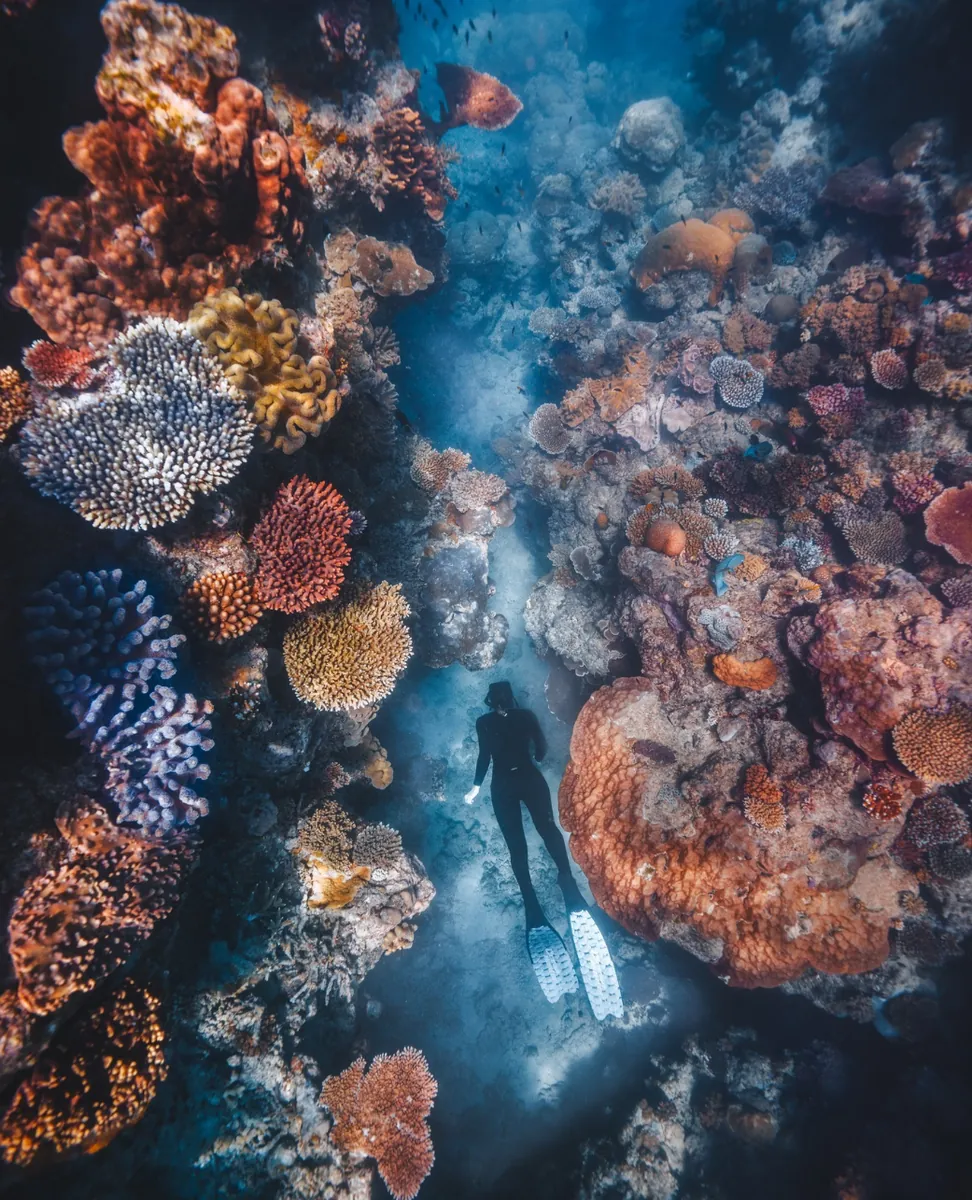
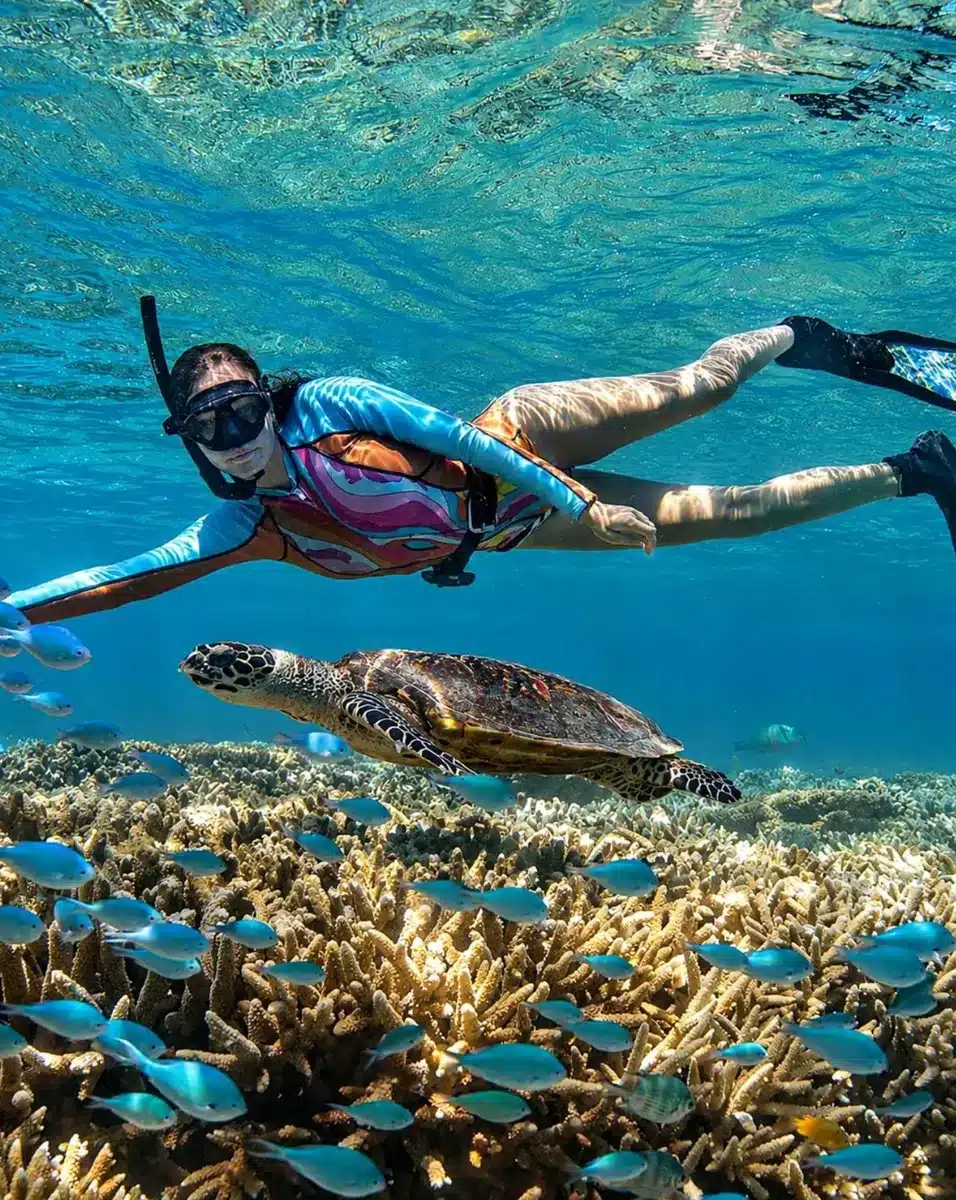
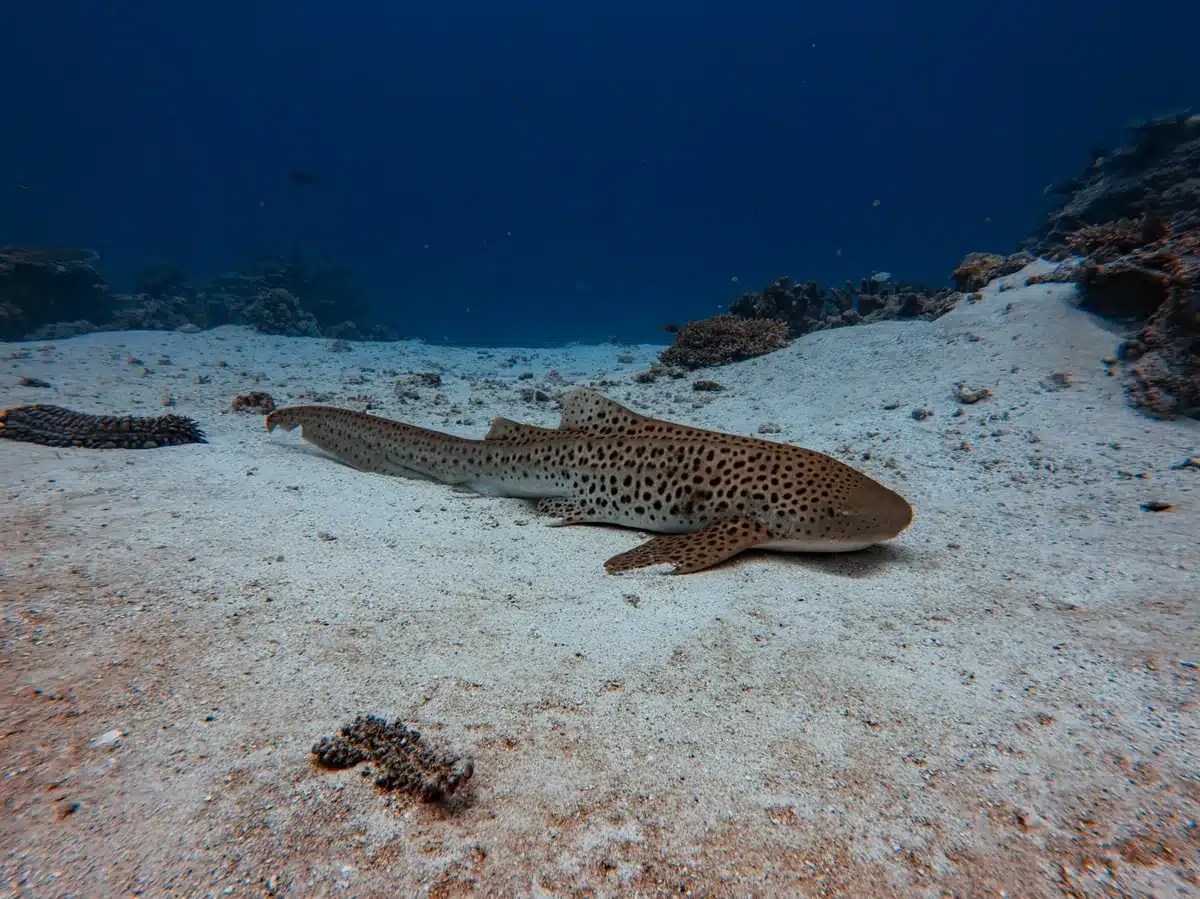
Most people expect that a reef is a reef. But let’s face it, reality can be a bit of a letdown – inner reefs often feel quite flat – a few scattered fish, gaps in coral, and not a lot of movement going on. Outer reefs, on the other hand, are where it’s really at. You’ll see schools of fish darting about, predators like the occasional Reef Shark cruising past, and coral structures that are just packed with activity.
I get it, I’ve seen travellers come up after an inner reef snorkel and say “Not bad” – a bit underwhelming, you know? Then the next day, when we’re out on a Great Barrier Reef Tour, offshore, and it’s – “Blimey, this is the stuff”. That’s the difference in marine life density in real terms.
A Typical Day At Sea
There’s this one trip out of Airlie Beach that still sticks in my mind. We’d had a group do a budget inner reef trip the day before – calm water, good weather, but not much happening below the surface. We pushed out to Hardy Reef the next day. And almost immediately:
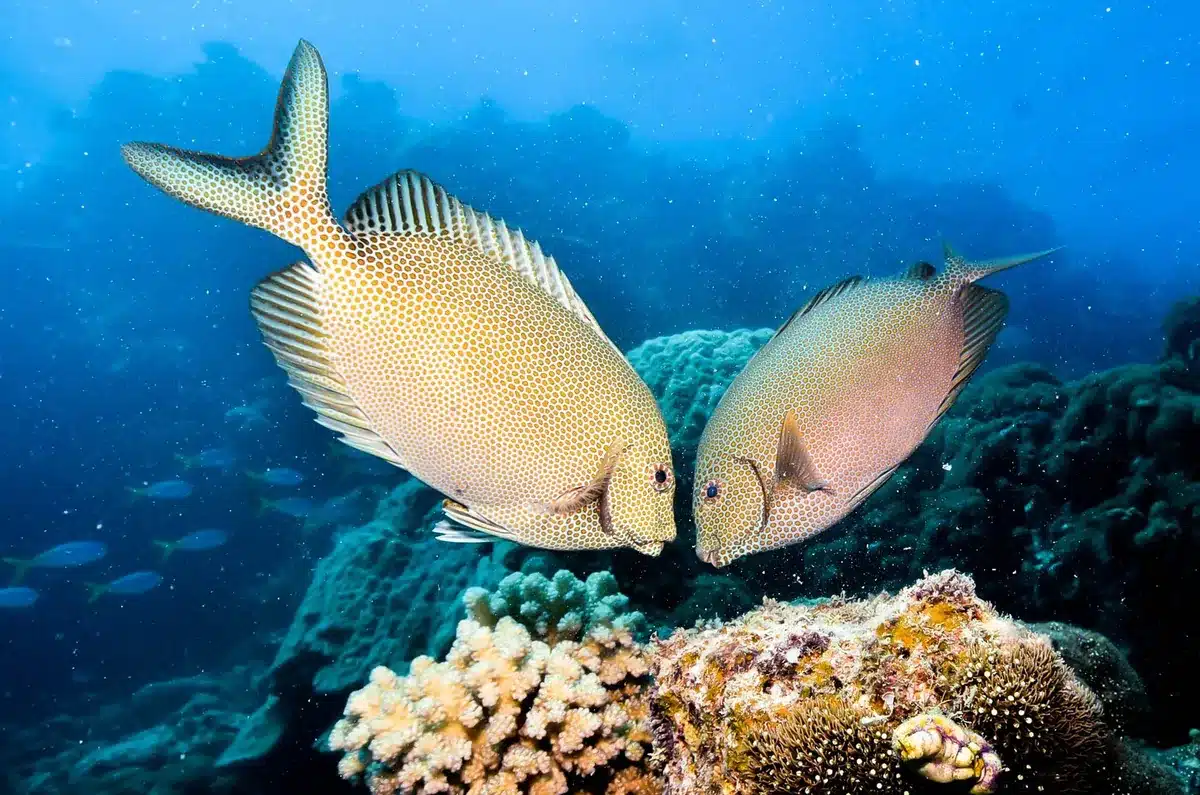
Schools of fish just pouring through the coral formations
Cleaner stations are busting with activity
A Reef Shark is just cruising along the edge of a drop-off
Same ocean, same season – completely different experience. That’s what I mean by the power of reef ecosystem structure and location.
What People Often Get Caught Up In
So the biggest trap for travellers? Booking based on price or convenience rather than the reef site. People often assume that all reef sites are equal – but they’re not. Inner reefs are easier to get to, cheaper and calmer – but they just don’t have the same level of marine biodiversity. Outer reefs are more expensive and take longer to get to – but they deliver the kind of density that people travel from all over the world to see.
And then there’s visibility – another common oversight. Sure, marine life might be present in both zones, but if the water’s not clear enough, you’re not going to see that density. Winter can help out, but it actually amplifies the difference, rather than evening it out.
Getting There: Timing & Logistics
Tours usually depart from Airlie Beach, Cairns, or Port Douglas. If you’re staying near Whitehaven Beach, then you’re in a pretty good position for outer reef access.
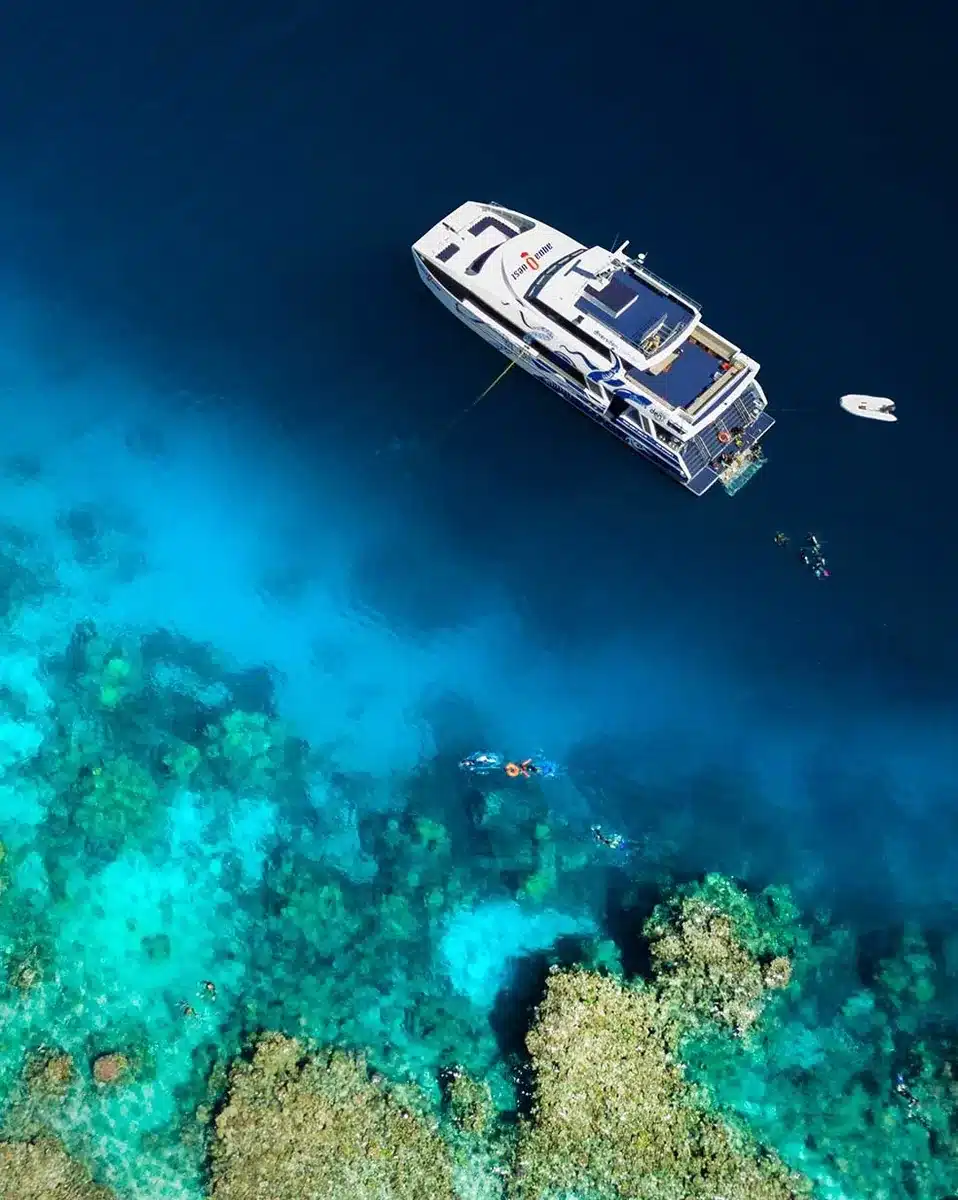
Inner reef trips are a relatively short run – usually 30 to 90 minutes, depending on the site. Outer reef trips are a different story. You’re looking at 2 to 3 hours in each direction, and that timing can shift depending on the weather and sea state. If the wind picks up, you can be sure you’ll feel it.
A typical day might run something like this:
Early departure between 6:30 and 8:00 am
Travel out with some safety briefings and gear fitting
2 or 3 in-water sessions (snorkelling or scuba diving)
Return mid to late afternoon – often closer to 5:30 pm for offshore trips
Parking at the marinas is around $10 to $25 a day, though most operators will pick you up from your hotel. Boats are pretty well set up, and the crews on trips like Quicksilver Cruises or Ocean Spirit Cruises – they really know what they’re doing, with a solid support team on board.
Costs and Value: Where People Try to Save
Listen up. There’s the harsh truth. If you’re planning an inner reef tour, figure on paying between $150 to $220 AUD. Outer reef trips are going to set you back anywhere from $220 to $350 AUD, all depending on what you’re getting.
The price difference is where people get stuck. But let’s be honest, the real savings aren’t in the reef experience itself – it’s in the flights, accommodation, and lost time.
Some extras to budget for:
Intro scuba diving usually costs around $80 – $150 AUD
Photo packages are a ripper at $50 – $100 AUD
Seasickness tablets are worth the $10 – $20 AUD if you’re heading out in rough seas and unsure
Considering all the hassle to get here, it makes more sense to go big and see the reef in all its glory.
Safety, Conditions And The Hard Reality
Winter conditions might be stable, but when you’re out in open water, anything can happen.
Outer reef trips can be a real challenge, especially with moderate currents and more time in the water. Snorkelling is pretty accessible for most people, but having some confidence in the water really helps. Scuba diving requires either certification or training with a dive operator you can trust.
The biggest issue I see is people getting seasick, even if they’re seasoned travellers. The wind shifts, and suddenly you’re off balance. Larger boats handle it better, but it’s always a good idea to be prepared.
And just to put your mind at ease, marine life is rarely a problem. Reef sharks aren’t interested in you, but do listen to your guides, especially when you’re dealing with currents and entry points.
Seasonality: The Real Lowdown
Winter does improve conditions a bit, but it doesn’t wave a magic wand and fix all the weaker reef zones.
Lower water temperatures are a good thing – it cuts down on the stress on coral, making them more resilient and resistant to coral bleaching. That’s a big problem tied to ocean warming and all those big Marine Heatwave events.
But the thing to remember is that long-term ocean changes are taking place. Rising CO2 levels are driving ocean acidification, messing with ocean chemistry and how coral polyps build those skeletons. It’s happening everywhere – from the Coral Triangle to the Red Sea.
Outer reefs usually do a bit better due to the stronger water circulation and generally healthier coral ecosystems. Inner reefs, being closer to land, get pummelled by sediment and temperature swings.
Who This Experience Is Really For
Outer reef tours are perfect for the kind of traveller who’s really into:
Discovering all the incredible marine life out there
Getting in the water and seeing all the way to the bottom
Watching predator and prey in action – the whole reef ecosystem thing
Inner reefs are a better fit for:
Families with young kids who need something a bit more chill
People who aren’t super confident in the water
If you only have a short bit of time to spare, and you want to get in and out
If you’re chasing that one moment on your trip that makes it all worthwhile, go the outer reef route.
If You Only Got One Day To Make It Happen
If time is of the essence and you’re weighing up your options, just go with Outer Reef. Focus on the edges of the reef, and the drop-offs – that’s where the action is, especially in winter when visibility is so good, and the fish are moving about like crazy.
Reef Protection - What It Means For Your Day Out
You’re going to see a reef that’s been shaped by all the work that’s being done to protect it. There are teams of marine biologists checking for coral disease, tracking the state of marine life, and trying out new ideas like moving coral around to make it more resilient.
The outer reefs tend to bounce back better after they get hit by stress, and that’s partly because they get better water flow and are less likely to get affected by what’s going on on the coast. That’s why they usually have more marine life in winter.
Don’t Risk Your Reef Day
If you want to see loads of marine species, a healthy reef and get a real sense of what it’s all about, the outer reef wins hands down in the winter.
Inner reefs have their place and are a lot easier to do, but they just don’t have the same level of marine life in them, and that’s what most people end up remembering in the end.
I’ve seen so many people figure this out after the fact.
If you’re planning your trip and you want to get it right the first time, forget about being convenient and go for the outcome – if you’re still unsure, reach out, I’m always happy to help you out.
You bet it does – even complete newbies pick up on it in minutes. Outer reefs just feel more bustling and alive – the fish biomass is higher, and the visibility is heaps better.
As a general rule, they are – as long as you’ve got a guide to look out for you. Most operators provide flotation devices and give pretty clear instructions to get you going.
To be honest, winter does offer some pretty good conditions – the visibility is top-notch, and the weather’s pretty stable, making it a fairly reliable time to come.
If you want the whole experience of the reef – the lot – then yeah, they’re definitely worth the extra time it takes to get out there. The differences in marine biodiversity and activity are much more obvious at the outer reef sites.