What Happens If You Touch the Pinnacles?

The first thing people usually ask when they arrive in the Pinnacles Desert in WA, gaze out at the dunes, and get a close-up look at those limestone spires – and that’s as close as they should get. The short of it is that touching them is not allowed, and if you do, you could face a fine and damage to a landscape that’s been in the making for thousands of years. I’m Paul Beames, and over the years, guiding tourists through WA, I’ve seen time and again how ‘one quick photo’ can cause significant damage to a fragile landscape when combined with heat and curiosity. Here’s the lowdown on the rules, why we need them, and how to experience the Pinnacles without contributing to the problem.
Table of Contents

What's Underneath That Desert?
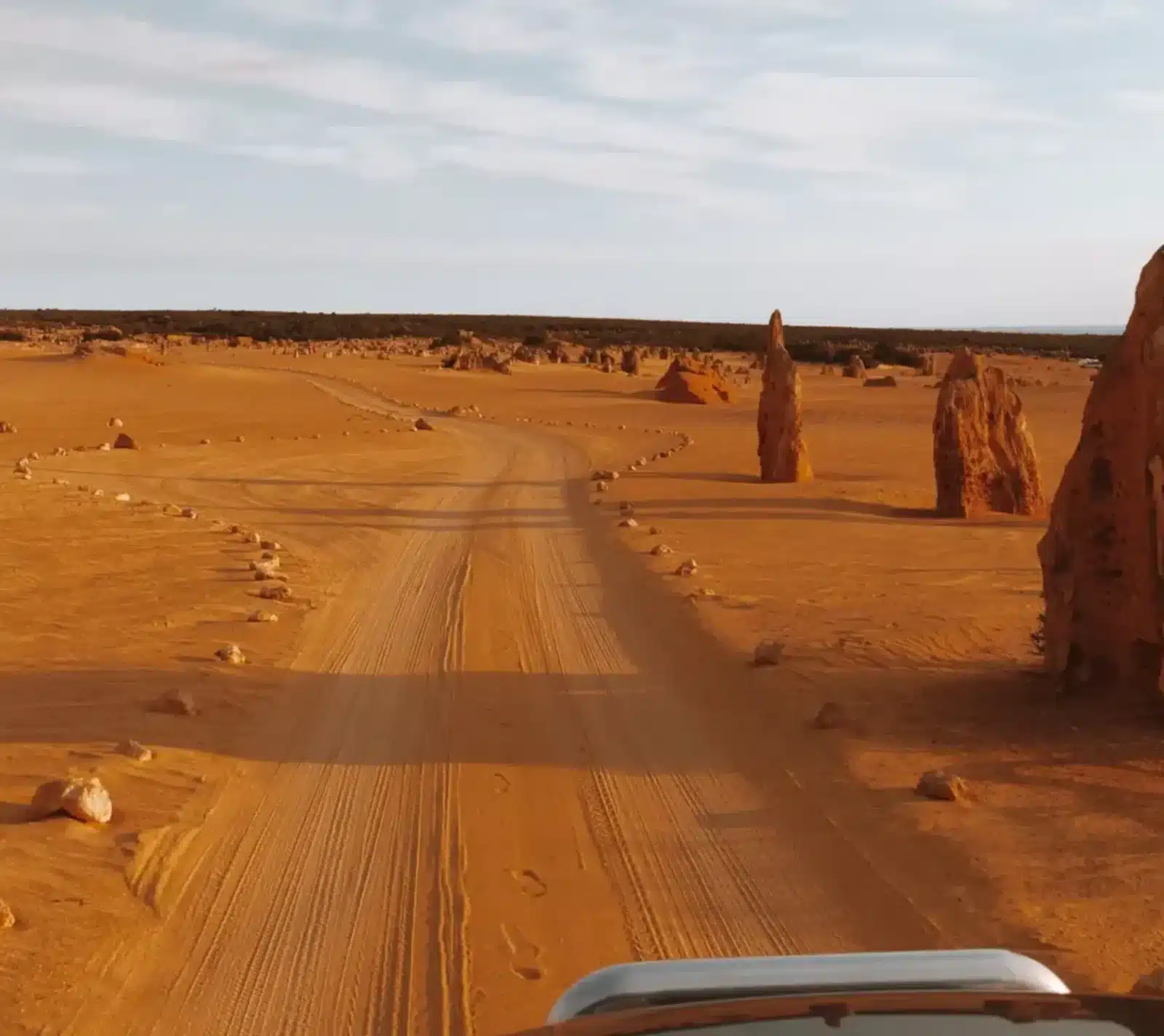
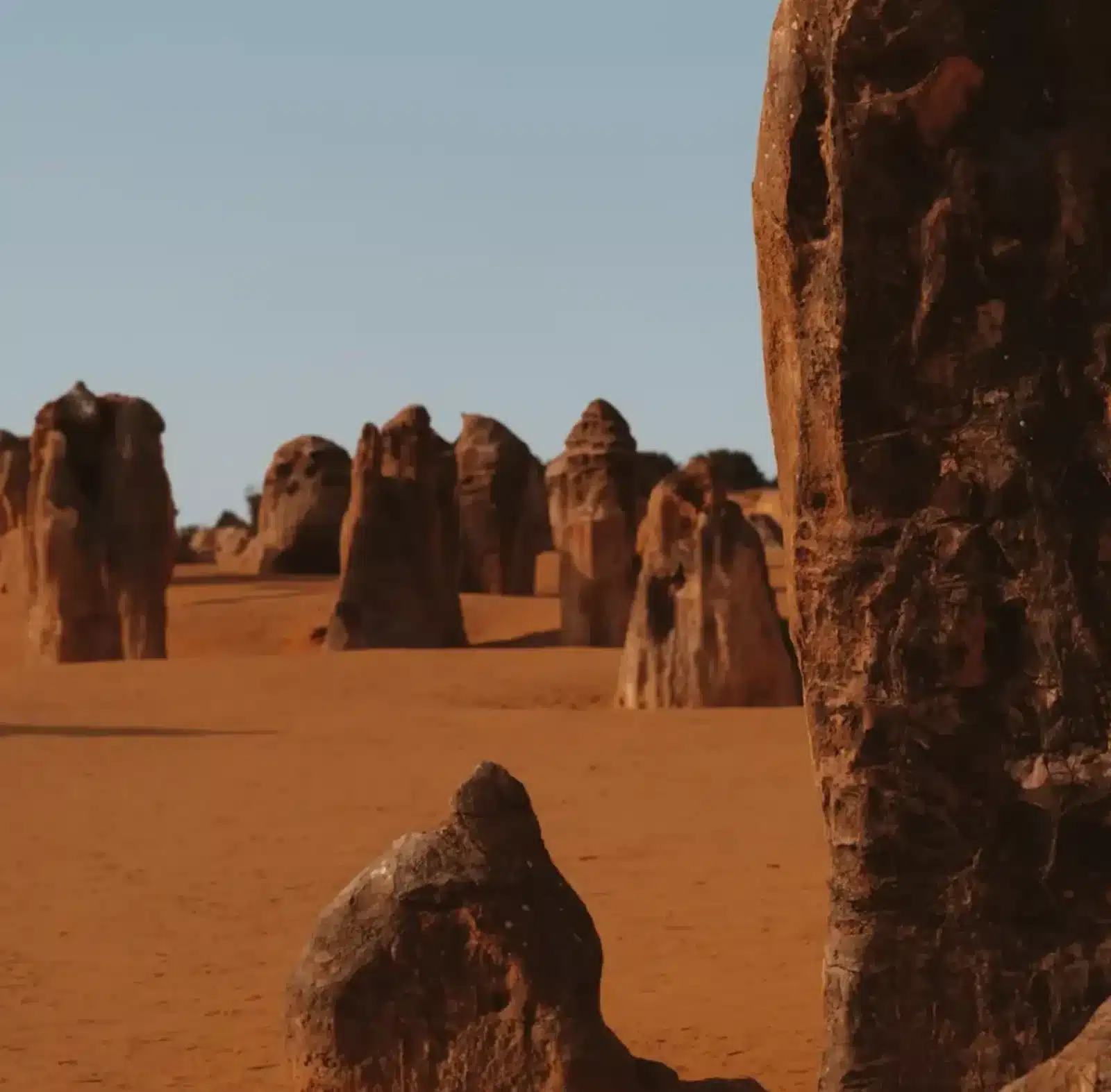
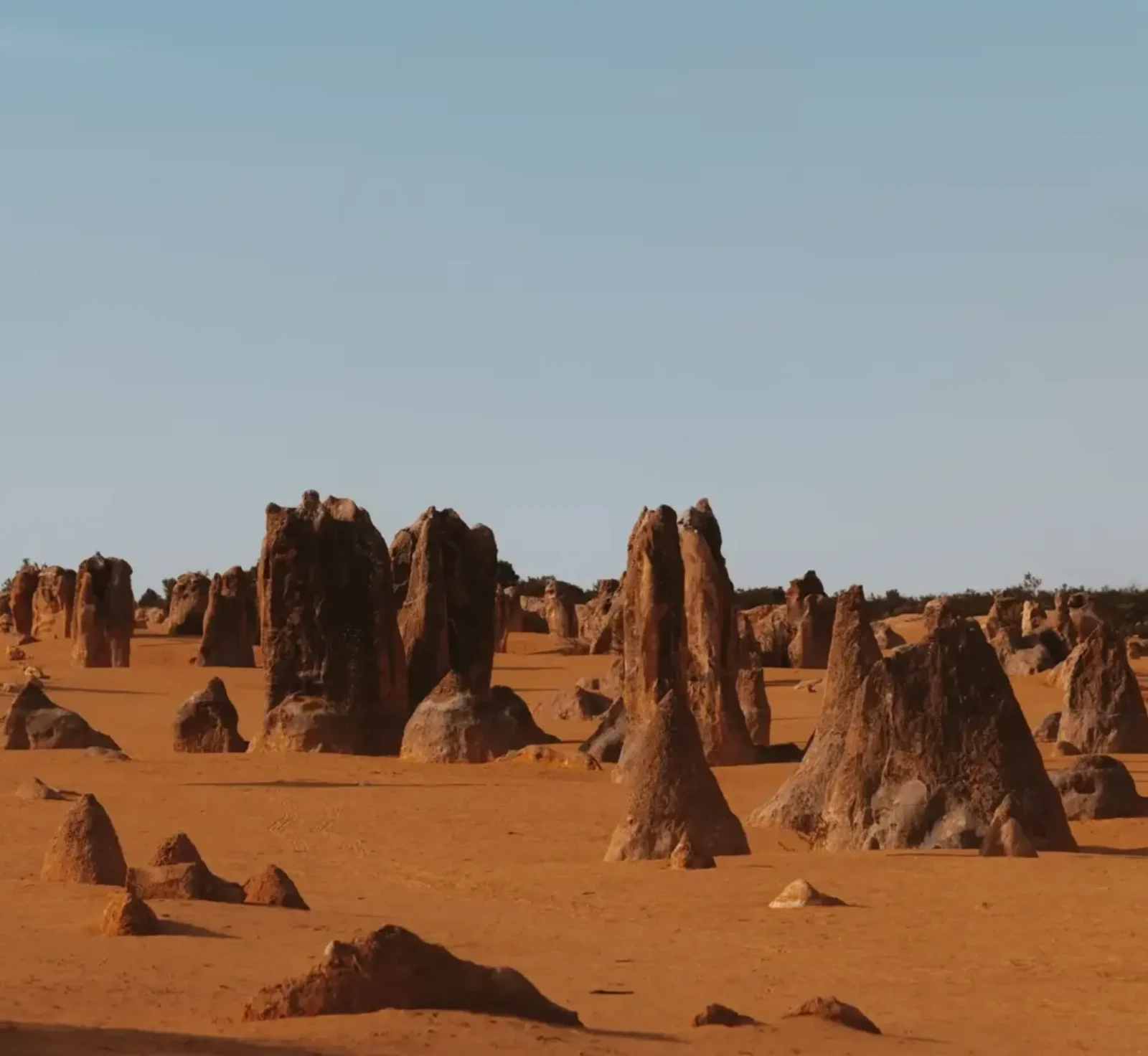
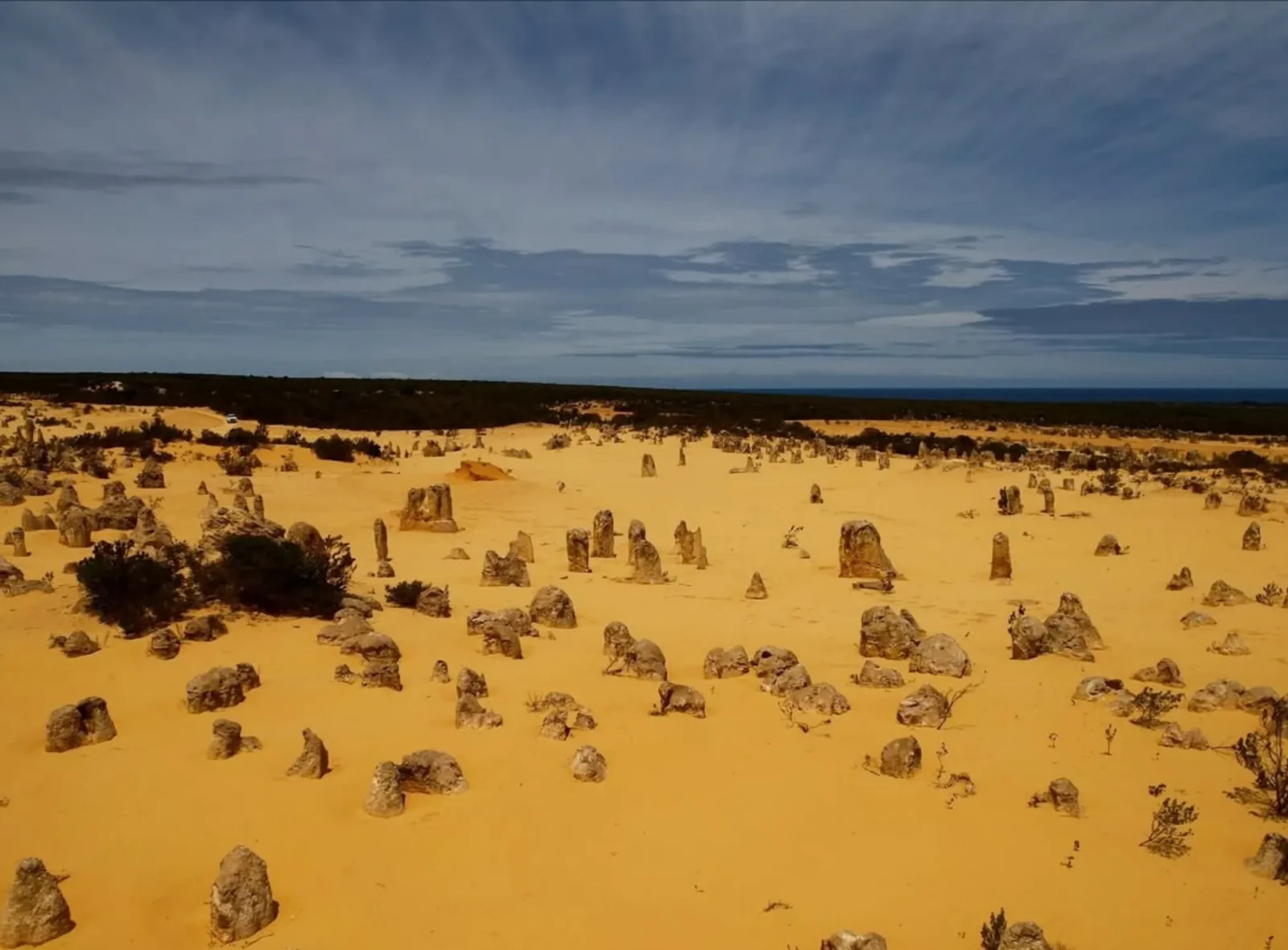
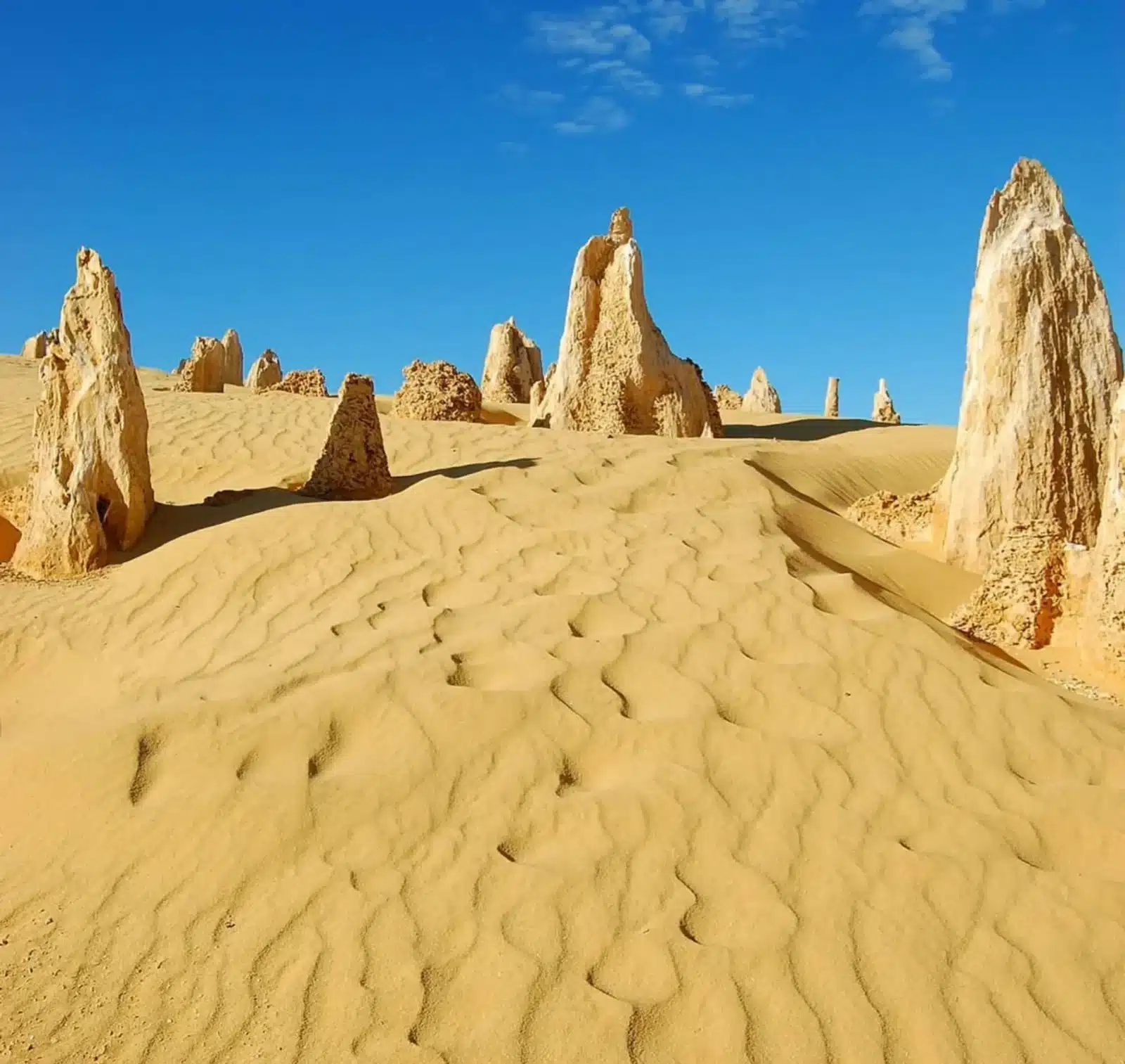
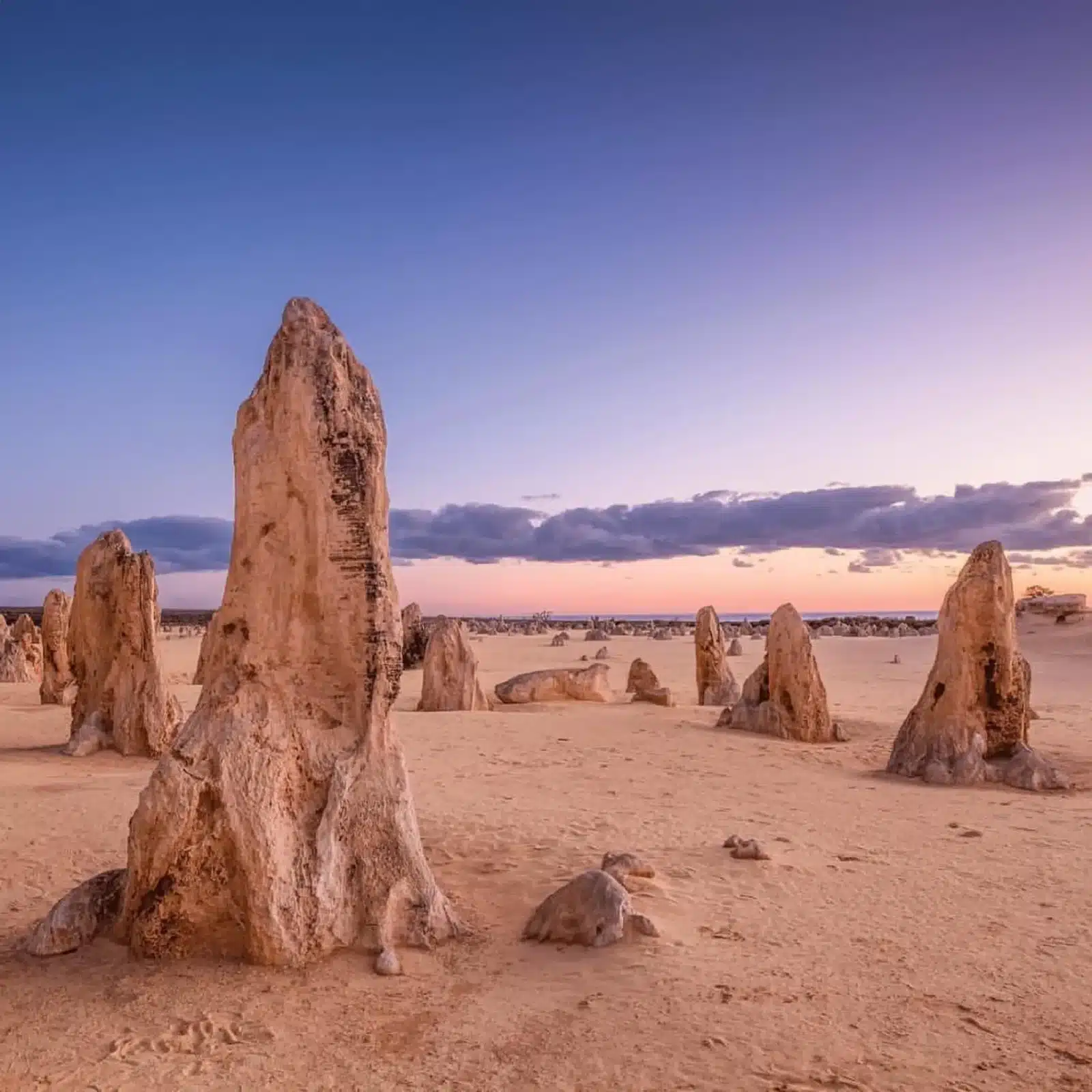
At first glance, the Pinnacles Desert in Nambung National Park looks like just a big patch of white sand with some limestone pillars sticking out – two hours north of Perth if you’re curious. But scratch the surface, and you’ll find a story of ancient seas, shifting sands and coastal winds over a thousand years or so. The rocks – or spires as we often call them – are made from Tamala Limestone, which is essentially just a jumble of compacted marine bits like shells and coral. As sea levels fluctuated over time, winds began to blow sand inland, hardening it and slowly wearing it away, leaving these odd rock formations standing tall on their own. Once damaged, there’s no going back. Don’t expect some magic fix or stabilisation that can just reverse the damage – once it’s gone, it’s gone for good.
fine for touching the Pinnacles WA
is touching the Pinnacles allowed

What Happens If You Touch the Rock Formations?

Touching the Pinnacles is a hard no – it’s right there in the fine print of the park regulations. No ifs, no buts – that’s the deal for getting in. If you are caught tampering with the spires, penalties can range from a warning to fines of up to $100. Damage is permanent – and it’s not just the cost we’re talking about here. The oils, pressure and scratches from skin can all accelerate erosion here – and even though it might look like a small thing, it adds up fast when thousands of people are doing the same thing.

Why the Rules Are So Strict Here

The Pinnacles are treated with a lot more respect than your average road trip rock stop for two very good reasons: geology and culture.

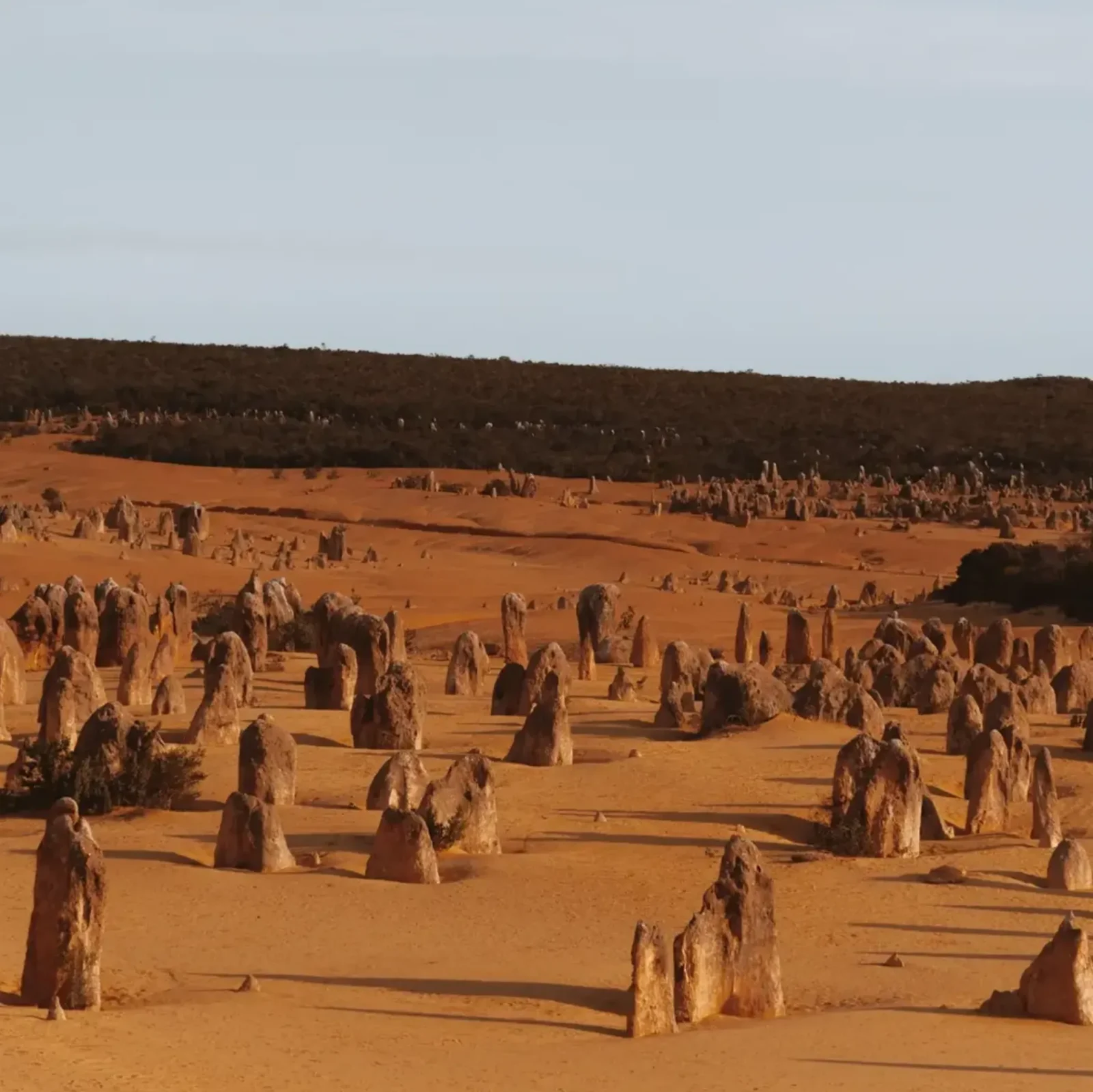
From a scientific standpoint, limestone pillars are pretty fragile when you compare them to some of the harder rock types you’ll find, say along the South Coast or in places like Halls Gap or Devils Gap. They just crumble too easily. And then you add in the heat, all the foot traffic and human contact, and you get to see erosion accelerate far faster than it would in the wild. And then there’s the delicate cave system beneath parts of the park; it’s stable only because the surface is relatively untouched.

Culturally, this is a tract of land with which the Noongar people, specifically the Yued people, have a deep connection. This isn’t just a place to stop and take a selfie – it’s part of a living landscape with a rich cultural history. And whenever you visit here, respecting the Aboriginal people who call this place home means following the rules that are meant to protect it.
Pinnacles Desert rules for tourists

Visitor Numbers And Why Pressure Is Such A Big Deal

Nambung National Park gets around 250,000 visitors each year – and that’s a whole lot of people clomping around. When you combine that with the Pinnacles Loop’s very small footprint, pressure builds quickly.

Measure Approximate Figure Why It Matters
Annual visitors ~250,000 High foot traffic accelerates wear
Age of limestone spires Up to 30,000 years Damage is effectively permanent
Typical fine range AUD $100–$1,000+ Depends on severity
Natural reform time Thousands of years No realistic restoration

Figures are based on the latest data from WA Parks and Tourism Western Australia, current up to 2024. But remember to always check in with the park for the latest word – entry fees, park conditions and all that can change in an instant.

Casual Damage Adds Up Fast
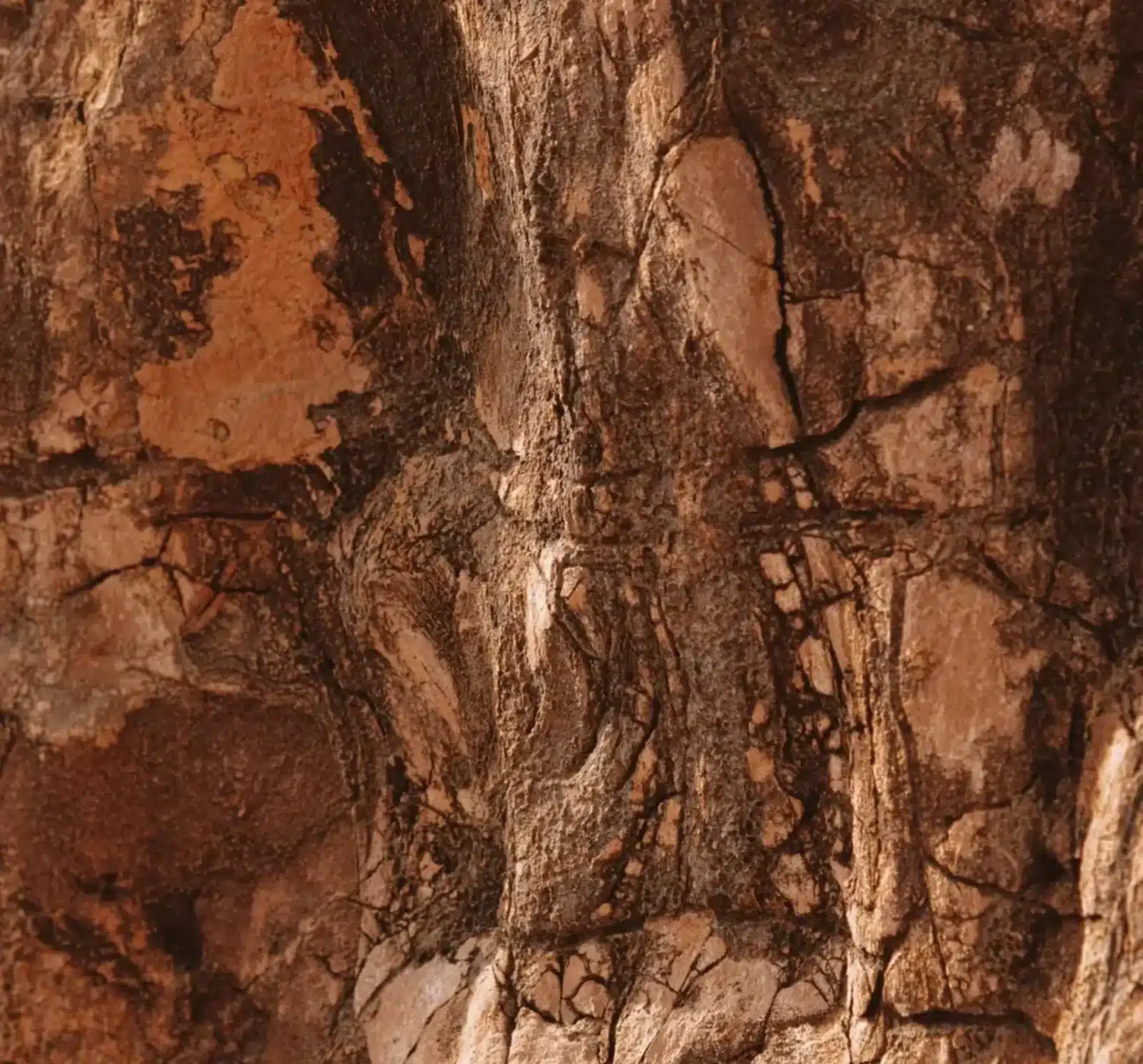
Most of the harm in the Pinnacle Desert isn’t caused by people trying to harm anyone. It’s just a bit of a case of the everyday, take-every-opportunity sort of thing. Someone leans against a limestone pillar while trying to get a better shot, or a kid decides to just climb up one more spire. Some people start scraping away the sand to get a clearer view of the base. You see it a lot around the Sundial carpark, the Desert View Trail, and along the loop that runs through the middle of the desert. It doesn’t matter that it’s not on purpose – the impact is still the same, and over time it starts to weaken the limestone spires and destabilise the sand around them.
how fragile are the Pinnacles formations
why can’t you climb the Pinnacles

How the Park Is Managed

Rangers regularly patrol the park, especially around Pinnacles Drive, Pinnacles Road, and the lookout platforms. They monitor high-traffic areas, including the Discovery Centre and the usual photo stops.
I’ve seen people ignore all the advice and signs only to get pulled over by the rangers a few minutes later. It’s a pretty uncomfortable experience and one that’s easily avoided altogether, and it can really put a damper on an otherwise great day. This is one of the reasons some people choose a guided tour with Pinnacles Tours, which focus on doing things right and protecting the park.

Doing It Right - Guided or Self-Guided Works Fine
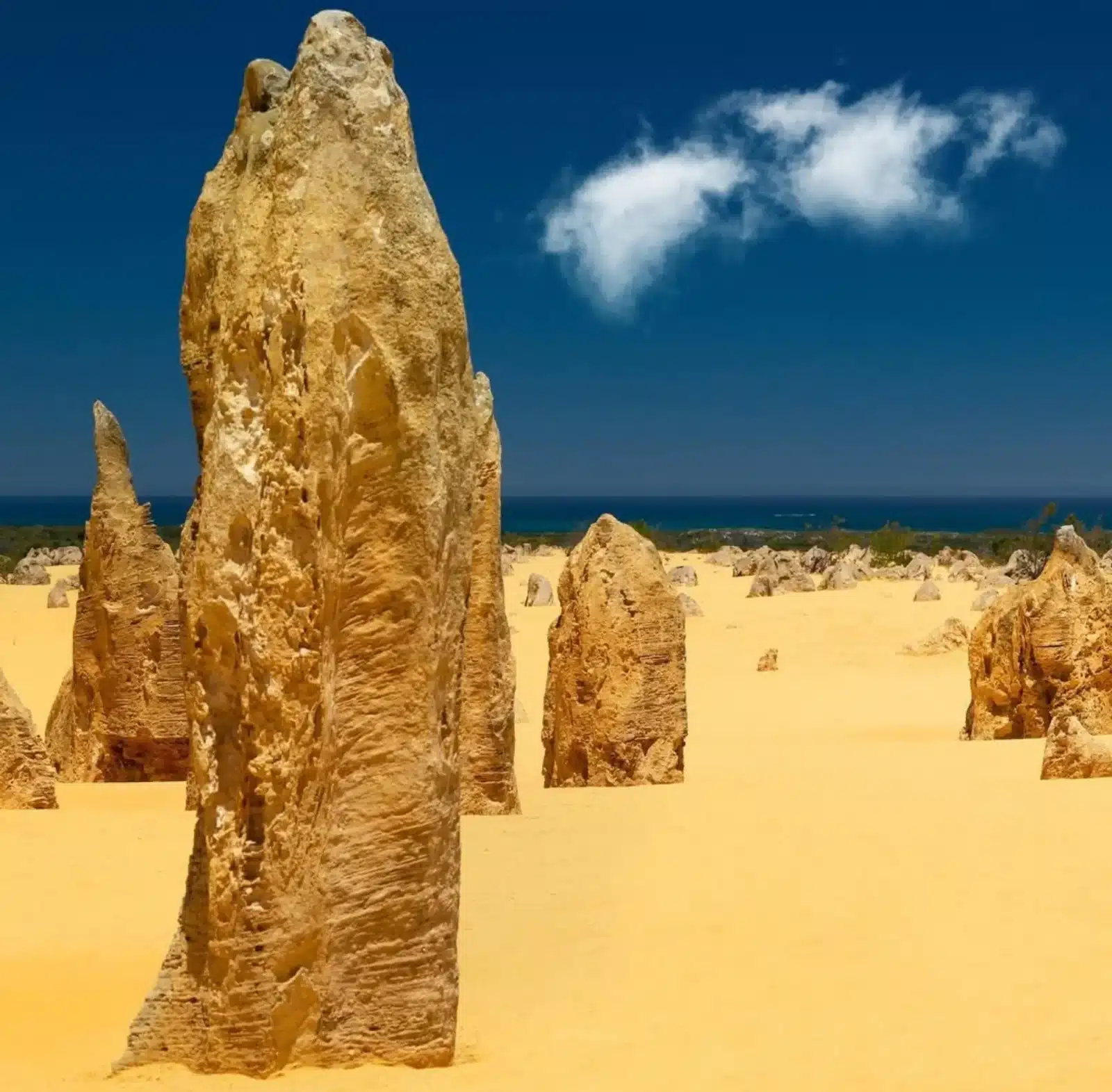
You don’t need a tour to have a great time at the Pinnacles, but it does help to have a plan. Doing a self-guided tour works well if you stick to the marked paths, follow the signs, and understand the limits. For people short on time or unfamiliar with the area, Pinnacles Tours offers guided tours that keep visitors on the right path and away from sensitive areas of the park. Companies that know what they’re doing work closely with the park to make sure they meet all the guidelines. It’s not about getting closer to the formations – it’s about helping people understand why they need to keep their distance.
Pinnacles Desert photography rules
Pinnacles Desert responsible tourism guide

Getting There Without Getting Yourself Stressed

Pretty much everybody gets to the park via Indian Ocean Drive – it’s one of the easiest and most scenic routes around WA. It’s a sealed road, straightforward, and you pass by some pretty nice beaches like Lancelin sand dunes, Hangover Bay, and Thirsty Point. Even just the drive itself sets the tone for the rest of the day – once you leave the coast and head out into the desert, the environment just shifts totally. The sand gets whiter, the wind picks up, and before you know it, the sun is beating down, and there’s no shade to be found.

Conditions, Wildlife and What to Expect on the Ground
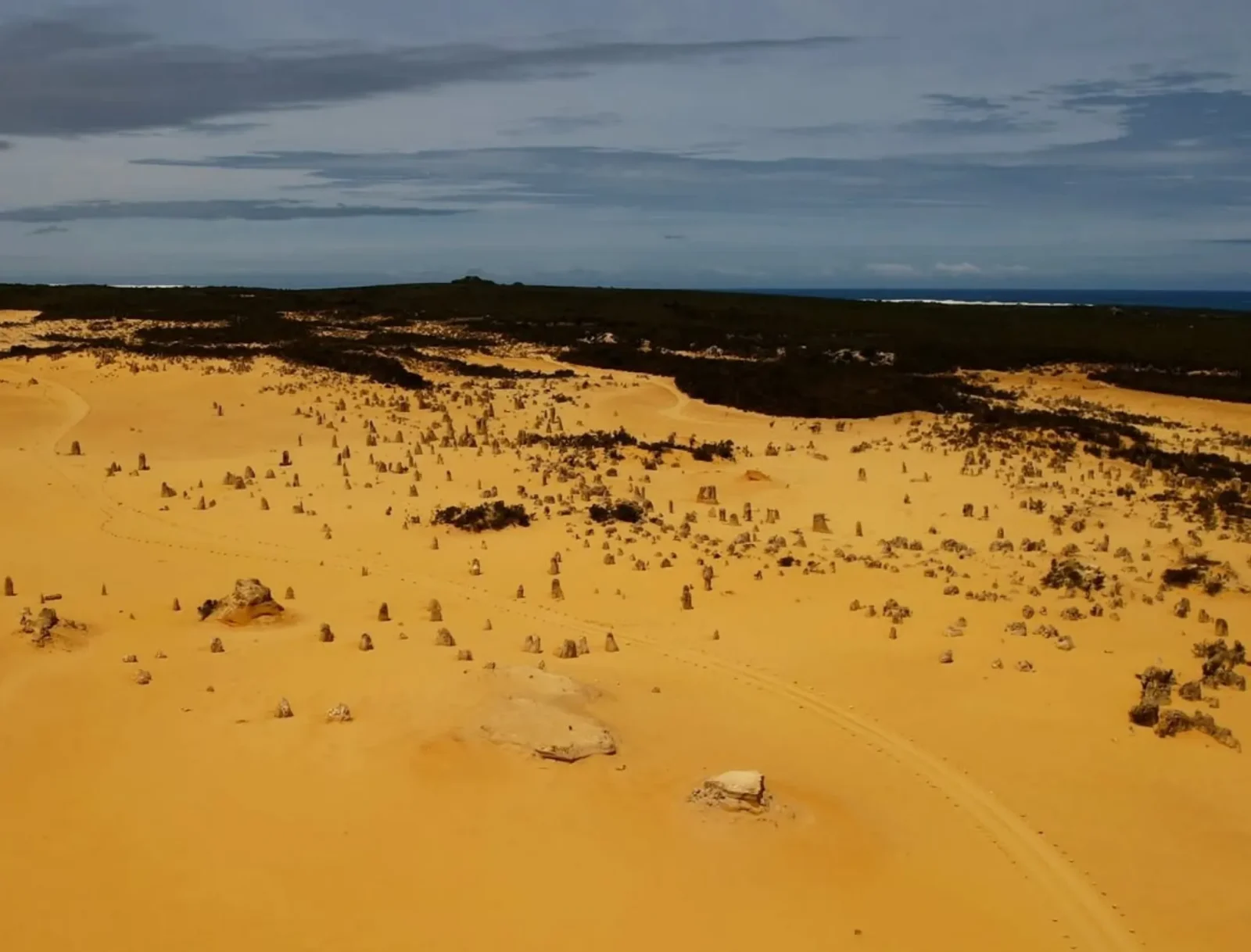
Truth is, the park isn’t a total barren wasteland; there is a bit of wildlife that comes and goes – mainly early and late in the day. The plants and animals here have all adapted to challenging conditions: poor soil, heat, and exposure. When it comes down to it, conditions can be a whole lot worse than people give ’em credit for. Once you leave the facilities, there’s no water, and the Aussie sun can be a real nasty beast, hammering off the white sand. A hat, good sunscreen and closed shoes aren’t just nice ideas, they’re essentials. You’d do well to check the conditions before you go; even in summer, bushfires can make the roads a mess. You won’t be spotting any Australian Sea Lions or Western Rock Lobsters out here – they’re a sea coast thing. But the scenery is distinctive in its own way.
what not to do at the Pinnacles Desert

Facilities: What You Can Expect to Find, and What You Won't

The Discovery Centre does a good job of providing background on geology, sea levels, and how everything came to be. There’s also a small shop and gallery selling a few books and local souvenirs. That’s about it, though – no fuel, no cafe, and no shade to be found once you head out into the desert. Think of it like a snappy little visit, not some all-day slog as you’d get at Swan Valley or Long Beach.

A Moment That Still Leaves a Lasting Impression

A few years back, I watched this bloke try to climb a limestone spire near the Lennards Island sign. A ranger spots him straight away and slaps on a fine. The whole group goes quiet. Later, someone asks why the rules are slightly stricter here than at Wave Rock or even at the Grand Canyon. And the answer is pretty simple – it’s a different type of rock, and that pretty much requires a different approach. The important thing is that the Pinnacles don’t get a free pass, if you know what I mean.

Before You Go: What Actually Helps

A laid-back approach is probably the best way to go here. Take your time, do the Desert View Trail, get in the car and take the drive around – and let the light do the heavy lifting. It’s the distance that makes the limestone spires all the more stunning, not how close you get. Whether you’re driving in by yourself or you’re with Pinnacles Tours, the message is the same: respect the place, the science behind it and the people who care about this land.
how to visit the Pinnacles without damaging them
self guided Pinnacles tour rules

Learn, and Leave It Alone

The Pinnacles have weathered all sorts of onslaughts over the centuries: the fury of coastal winds, the slow creep of shifting sea levels, and the relentless march of time itself. And yet still they stand. So what’s the deal with touching the Pinnacles? You can kiss your time in the park goodbye if you go thinking you can just reach out and give them a pat. You’ll face fines and, more likely than not, damage this incredible place for everyone else. The Pinnacles Desert in WA is one of those sights that doesn’t need some fancy treatment to impress. In fact, it becomes much more compelling because of one thing: restraint. So go ahead and take a walk – quietly, keep those hands to yourself, and let this haunting, quiet place just stand proud for another thousand years after we’re gone.

FAQ

No chance, sorry. Any sign of contact with the limestone spires and you’re in trouble, as well as breaking park rules.
No way – the same rules apply to them as everyone else. Do not attempt to secure special access from a tour operator.
It’s basically just a mix of calcium carbonate and marine organisms that are held together with a bit of magic – and that’s just not much when it comes up against the winds and weather.
Sorry, no. Age doesn’t change the rules – all of us have to stay off the limestone pillars, no matter how tempting they might look.
Yeah, pretty much. If conditions are severe enough, there may be closures due to bushfires or extreme heat, so it’s always worth checking the conditions before you visit.
Scroll to Top