
Stepping onto the track for the Valley of the Winds Walk, I get that same old thrill that only comes from being at the very heart of Kata Tjuta – there’s just something about this place that gets under your skin. As a guy who’s spent years wandering the Red Centre’s paths, I still find myself amazed when I make my way onto this loop – and it has that effect on me every time – it’s like I’ve stumbled onto something special.
The Valley of the Winds Walk is more than just a hike through the bush – it’s an all-out sensory experience that throws you into weird and wonderful landscapes, shares a glimpse into Anangu culture, and leaves you with the unmistakable feeling that you’re walking on a planet that’s a whole lot older than you ever could’ve imagined. If you’re in search of a hike that looks on paper like a doddle, but promptly reminds your knees that Australia is most definitely not a place that does ‘easy’, then this is probably what you’re looking for.
Walking on Country: The Cultural Heart of Kata Tjuta
When you walk here, you’re not just trudging through a National Park – you’re traversing land that is sacred to the First Nations people. Uluru-Kata Tjuta National Park is co-managed with the Pitjantjatjara Nation, and you can see just how important the 36 rock domes of Kata Tjuta are as ceremonial and cultural sites. A lot of what goes on up there is kept private – for good reason.
The land demands respect – stick to the walking trails, avoid the bits that are closed off, and try to get your head around the fact that those rock formations aren’t just scenery to be snapped for the ‘gram – they’re stories, they’re teachings, they’re weight on the shoulders of Anangu people for thousands of years. I recall a ranger once telling me, “Country’s always watching you.”
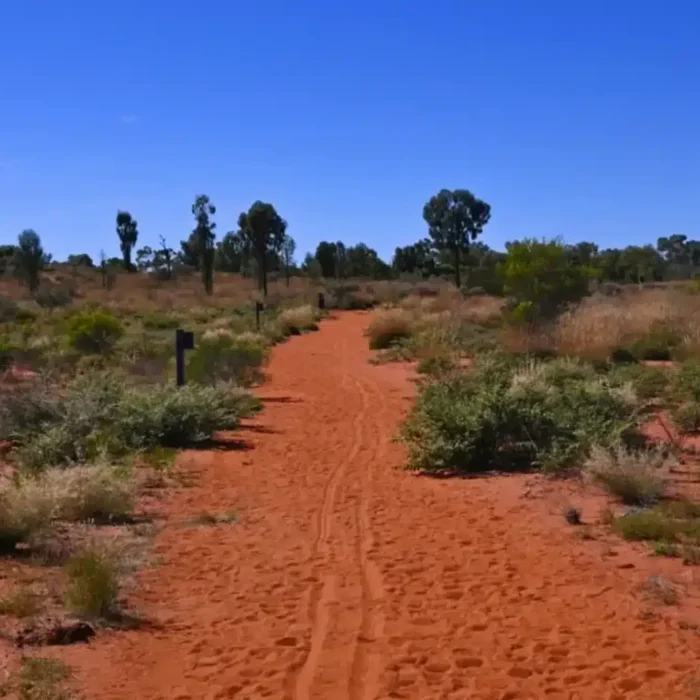
Track Overview and Real-World Distances
| Section | Distance | Difficulty | Notes |
|---|---|---|---|
| Carpark → Karu Lookout | 1.1 km | Moderate | Rocky steps, wild figs, good warm-up |
| Karu Lookout → Karingana Lookout | 2.6 km | Hard | Steep, exposed slopes, impressive rock domes |
| Karingana Lookout → Circuit Loop Return | ~4 km | Hard | Creek bed sections, limited shade, stunning natural beauty |
| Total | ~7.4 km | Grade 4 | Full loop closes when temps exceed 36°C |
Timing It Right: When to Tackle the Track


Planning Your Day: Gear, Water, and Common Sense
- At least 3-4 litres of water per person – don’t skimp
- A good coating of SPF 50 sunscreen
- A decent wide-brimmed hat
- Comfy high-grip hiking boots
- Some decent snacks to keep you going
- A fly net for those pesky bugs
- Offline GPS tracks – signal’s non-existent in the domes
- A basic first aid kit – you never know when you might need it
The Walk: A Section-by-Section Experience
Before you set off on the Valley of the Winds, you’ll want to get a feel for the way it changes from one section to the next – this track has a way of surprising you at every turn. Each bit of the track shows a new way to look at Kata Tjuta’s iconic rock formations, the shifting light, and these sweeping valleys. So take your time and pace yourself – that way the whole experience is all the more rewarding.
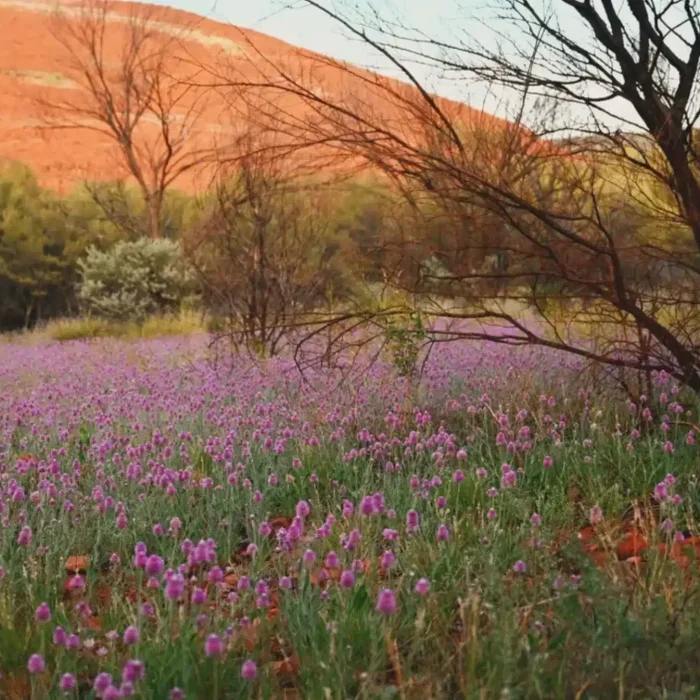
Carpark to Karu Lookout
It all starts off pretty smooth, winding through groves of desert oaks and patches of wild figs. And then at first light you catch sight of the rock domes glowing with an early morning sun, and there’s this silence – that crisp stillness you only ever get before the heat of the day kicks in. The Karu Lookout gives you your first real look out over the valley – a vast panorama of geological wonders carved out over millions of years.
Karu Lookout to Karingana Lookout
All of a sudden, the mood changes completely. The track gets a lot steeper, the path narrows down, and the rock under your feet starts to get a bit slippery. You’re climbing up a rocky slope, then trudging through a shallow creek bed, and finally scrambling up towards the natural amphitheatre of Karingana. Plus, some of the stones you’re walking on can be a bit dodgy.
Standing at Karingana Lookout is like stepping right into a stone gateway. The valley stretches out before you in these layered shades of red and purple, all carved out by ancient forces and the stories of the Anangu people, which aren’t for sharing. I’ve spent a fair bit of time hanging out there myself – usually till a crow comes along and decides to have a sniff at what you’re eating.
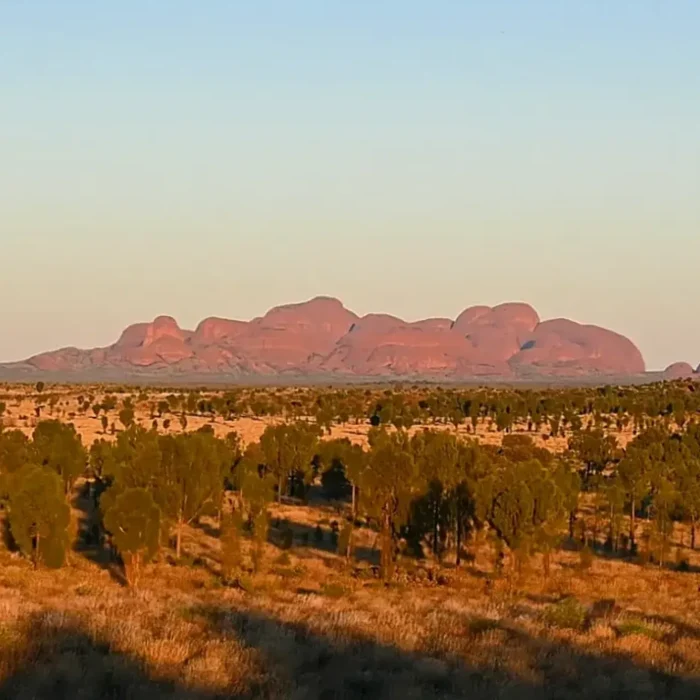
Karingana to the Circuit Loop Return
Going back down the other side of the lookout takes you deeper into the heart of the valley, where the towering domes of rock surround you in total silence. The track meanders along dirt and rocky stretches, and with a bit of scrambling over weathered stones here and there. That’s where the Valley of the Winds really earns its name – there are these strong gusts of wind that come sweeping down the slope, carrying cool air in through the narrow gaps in the rock. And that’s also when it really hits home just how remote this place is – the world can feel a long way away.
Respecting Anangu Land
Wildlife Encounters: Who Actually Runs This Place
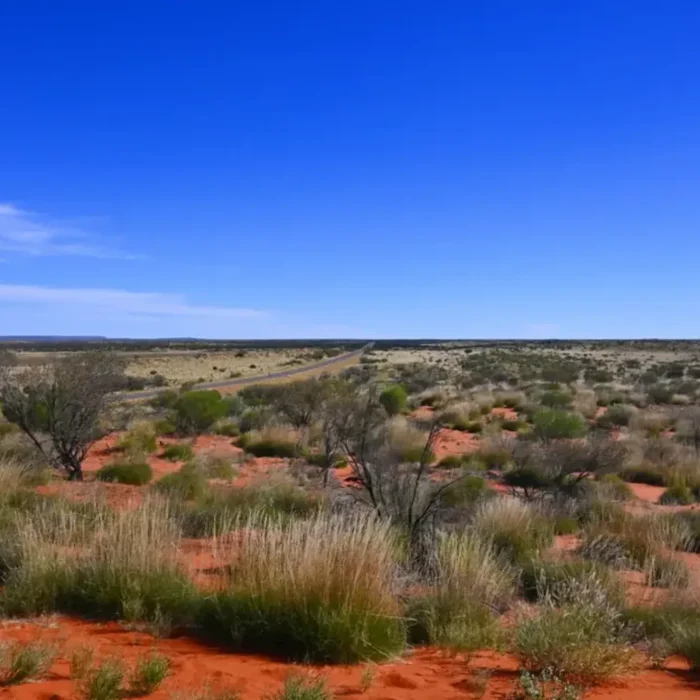
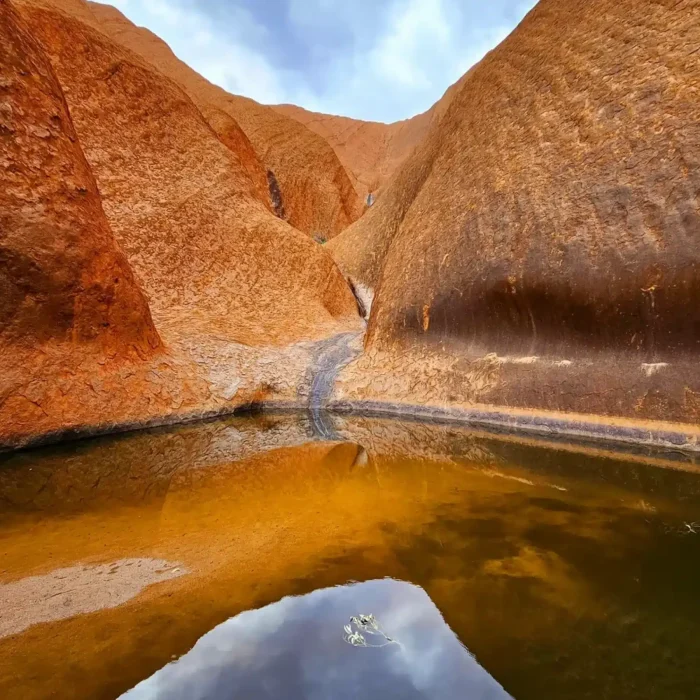
Why This Trail Stays With You
Every time I manage to haul myself away from this trail, I feel like I’m still carrying a chunk of it with me. The Valley of the Winds isn’t just some hike – it’s a wild ride that’s been shaped by thousands of years of geological history, somehow weaving together this crazy cultural mix of ours and the irrepressible energy of the Red Centre.
If you’re planning a trip to the Valley of the Winds and need some extra insider information, feel free to get in touch. I have plenty of up-to-date field notes for tours uluru, and I’d be happy to pass on some of the best planning advice or the latest track conditions. And if you stumble on some new vantage point I hadn’t mentioned yet – I’d love to get the lowdown from you, because new tips are always worth sharing.